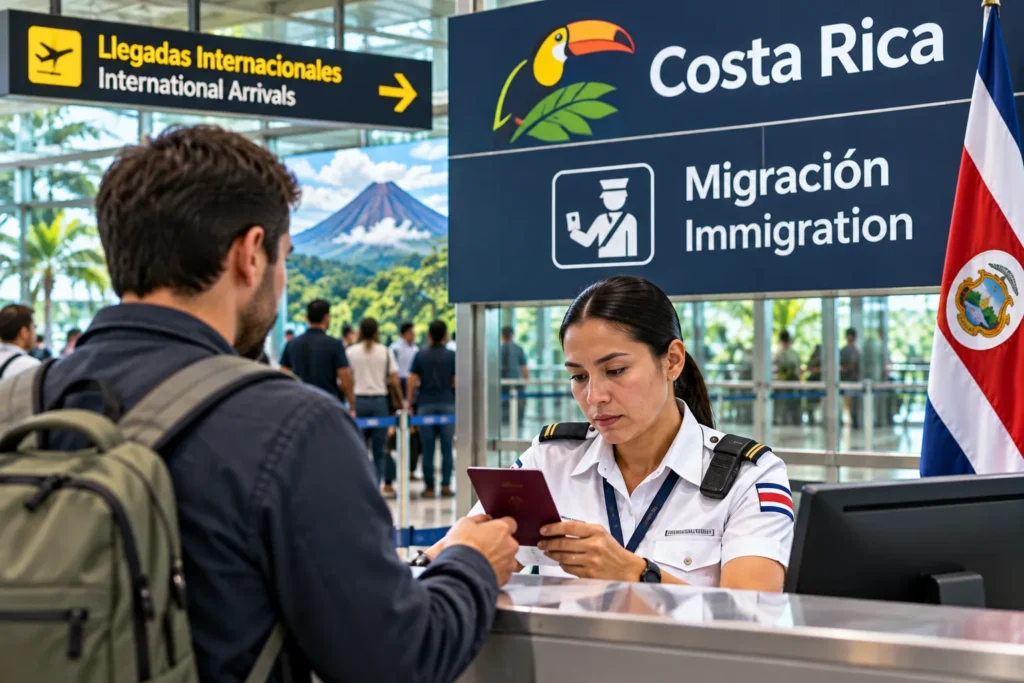
Cross-border mobility, sovereign immigration controls, and treaty-based immunities intersected at Juan Santamaría International Airport in San José in late November 2026, prompting constitutional review and diplomatic discussion across Latin America. On November 26, 2026, Costa Rican immigration officials denied admission to Francesca Albanese, the United Nations Special Rapporteur on the situation of human rights in the Palestinian territories occupied since 1967, who had arrived from Paris at the formal invitation of the public University of Costa Rica to accept an honorary doctorate. Following two nights inside the airport transit zone and an urgent interim ruling from Costa Rica’s Constitutional Chamber, she departed on Saturday, November 28, on a scheduled flight to Mexico City.
Immigration Security Alerts and Port-of-Entry Procedures
According to official statements from Costa Rica’s Directorate General of Migration and Foreigners, border officers refused entry at San José’s primary international gateway after screening flagged an international security alert alleging links to terrorist activities. Authorities stated that the refusal rested on national security grounds under domestic immigration statutes, though the agency did not publicly disclose the originating entity behind the alert or release underlying documentation.
Because her entry was formally denied at passport control, Albanese remained restricted to the international transit area of Juan Santamaría International Airport while legal petitions were filed. On November 27, 2026, the University of Costa Rica proceeded with its academic convocation, allowing her to deliver her acceptance remarks via remote video link from the airport terminal while an academic representative accepted the honorary degree on campus.
Constitutional Chamber Intervention and Transit Conditions
The administrative refusal quickly became a matter of judicial oversight when habeas corpus petitions were submitted to the Constitutional Chamber of Costa Rica’s Supreme Court of Justice. Exercising its constitutional mandate to review restrictions on personal liberty, the court admitted the petition, prohibited forced removal while the filing remained under review, and instructed immigration authorities to submit a formal legal explanation within 24 hours.
On Friday evening, November 27, the court issued an urgent interim measure authorizing Albanese to leave the airport terminal to rest at a nearby hotel under supervision prior to her scheduled Saturday departure for Mexico, while directing authorities to guarantee unrestricted communication with legal counsel and United Nations representatives. Importantly for international travelers tracking border jurisprudence, the interim judicial order governed humane transit conditions and prevented involuntary deportation without overturning the underlying administrative refusal of entry into Costa Rican territory.
Treaty Immunities and Sovereign Border Control Frameworks
The episode highlights the complex legal boundary between diplomatic privileges and national border sovereignty—a distinction relevant to official delegations, academic visitors, and international event organizers worldwide. Under the 1946 Convention on the Privileges and Immunities of the United Nations, independent experts appointed by the UN Human Rights Council enjoy functional protections designed to safeguard them from arbitrary arrest, detention, or interference while carrying out official mandates.
In official statements from Geneva, UN High Commissioner for Human Rights Volker Türk expressed deep concern over the refusal and urged Costa Rican authorities to reconsider the restriction. Simultaneously, domestic institutions including Costa Rica’s Office of the Ombudsman and the governing council of the University of Costa Rica requested formal clarification from executive authorities regarding how treaty obligations were weighed during port-of-entry screening. Conversely, executive officials maintained that sovereign states retain statutory authority to enforce border security alerts and regulate admission into national territory.
Broader Implications for Regional Mobility and Official Travel
As international conferences, academic exchanges, and multilateral summits continue to drive cross-border travel across Central America, clear communication between host ministries, academic institutions, and immigration authorities remains vital for smooth entry processing. While commercial tourism and leisure arrivals at Juan Santamaría International Airport continued operating normally throughout the weekend, legal observers note that the pending final ruling from Costa Rica’s Constitutional Chamber will establish important precedent regarding evidentiary transparency when security alerts are invoked at international ports of entry.
For more travel news like this, keep reading Global Travel Wire