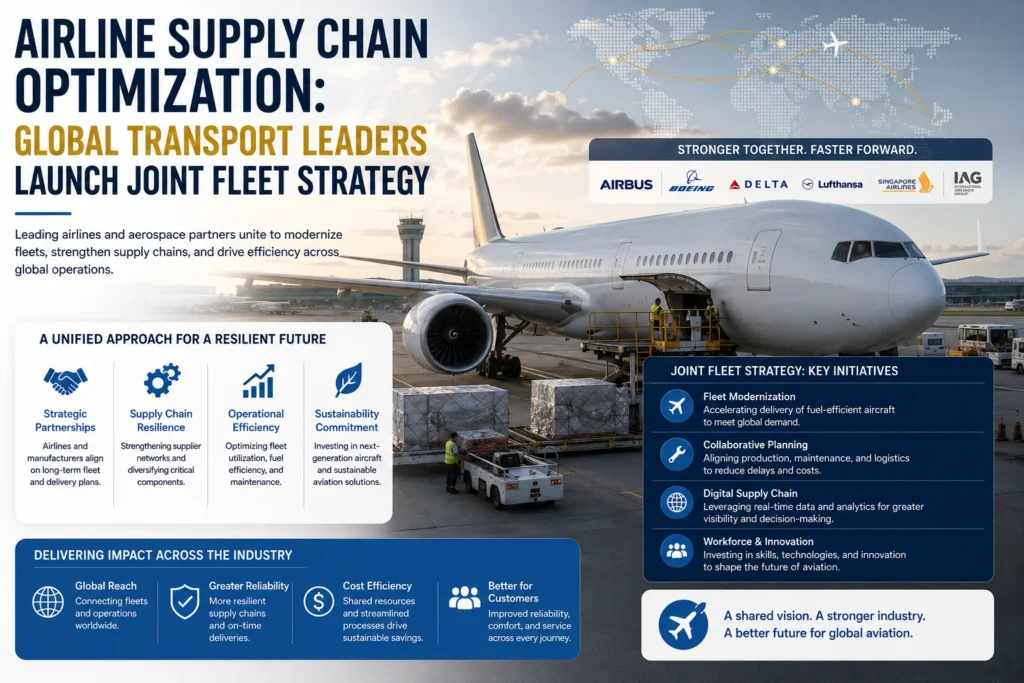
The complex network of global aviation is initiating deep logistical reforms to counter persistent equipment delays and parts shortages that threaten international travel schedules. During the World Maintenance and Engineering Symposium in Madrid, Spain, the International Air Transport Association (IATA) and the International Airlines Technical Pool (IATP) finalized a comprehensive cooperation agreement. The unified framework establishes an immediate pathway for enhancing airlines’ visibility of, and access to, critical aircraft components. It marks a decisive industry response to the rising costs and operational pressures tied to aerospace material shortages.
The strategic partnership focuses on mitigating the lingering industrial bottlenecks that can disrupt commercial aviation networks. Over consecutive travel quarters, component scarcity, extended repair lead times, and manufacturing backlogs have forced commercial carriers to alter long-term maintenance scheduling. By uniting technical operations across both organizations, the agreement aims to optimize parts availability. This ensures that airlines can manage required fleet inventory effectively, avoid unplanned aircraft groundings, and protect the broader travel and tourism economy from ripple-effect flight cancellations.
Dynamic Material Pooling Programs to Minimize Flight Delays
A primary pillar of the joint initiative involves a major integration of mutual equipment sharing. Under the approved cooperation framework, IATA will formally support IATP’s long-standing technical materials pooling programs. The operational network gives member airlines decentralized access to more than 6,600 highly regulated aircraft parts and assemblies situated across 350 international stations. Furthermore, the network delivers critical line maintenance support at over 900 global locations alongside worldwide aircraft recovery resources.
The resource-sharing model provides a vital safety valve for airlines facing unexpected aircraft on ground situations, particularly at distant seasonal destinations where a carrier might not maintain independent warehouses. Instead of navigating separate, unvetted parts suppliers or waiting days for transatlantic shipping, member airlines can instantly source an identical, certified component from a local pool participant. This cross-organizational access is designed to dramatically shorten component procurement timelines, reduce capital investments in static inventory, and improve baseline flight punctuality across international holiday sectors.
Free Digital Inventory Access via Upgraded Technical Platform
To amplify the impact of these physical parts pools, the aviation bodies are leveraging advanced digital asset tracking systems. IATA announced that it will provide core capabilities of its proprietary MRO SmartHub platform at no cost to eligible airlines through a specialized data participation program. This digital allowance will initially apply to operators affiliated with participating associations, including IATA, IATP, and the Latin American and Caribbean Air Transport Association, before expanding to wider industry stakeholders.
The tracking platform, which recently underwent significant analytic upgrades, allows airlines to evaluate real-time parts availability and calculate precise inventory valuations. Crucially, the system enables carriers to identify confirmed, fully serviceable inventories held by accredited aviation suppliers. This capability streamlines material planning and automated procurement workflows, allowing maintenance controllers to detect imminent parts shortages well before an aircraft enters a scheduled maintenance hangar. This layer of transparency ensures that digital inventory mapping and physical asset pooling function as complementary tools to maintain fleet readiness.
Strengthening Safety Standards and Maintenance Resilience
Beyond optimizing mechanical part distribution, the agreement outlines a significant expansion in the sharing of technical expertise and baseline safety regulations. The two organizations have pledged to intensify the exchange of industrial best practices across all areas of technical operations, fleet maintenance quality, and corporate safety management. The educational and operational alignment will rely heavily on established international validation programs, such as the IATA Operational Safety Audit framework and the active Safety Connect communication channel.
Aviation safety executives have emphasized that keeping pace with shifting maintenance workloads requires absolute alignment on quality control. As repair facilities face high volume and extended asset utilization, standardized audits help maintain operational safety without sacrificing structural efficiency. By combining IATP’s decades of technical pooling experience with IATA’s digital resources and global safety metrics, the sector is creating a practical mechanism to fortify maintenance resilience against volatile global market conditions.
The Broad Downstream Impact on Global Tourism and Fleet Reliability
The collective drive toward a highly integrated aviation supply chain carries vital benefits for the global hospitality and travel sectors. When airlines struggle to source critical components, the results manifest as delayed departures, sudden route suspensions, and reduced seating capacity, which directly restrict tourist numbers arriving at international holiday spots. By building an interconnected inventory safety net, the industry can protect flight reliability during peak summer and winter holiday travel surges.
Ultimately, this joint agreement emphasizes that no individual airline can successfully isolate itself from macro-level supply chain pressures. Resolving modern aerospace bottlenecks demands structured, industry-wide resource sharing and high digital clarity. As these tracking technologies and shared pools expand across international networks, commercial aviation moves closer to a stabilized operational baselines. This transition will lower overhead costs for carriers while preserving the reliable flight connectivity that international vacationers expect.
For more travel news like this, keep reading Global Travel Wire