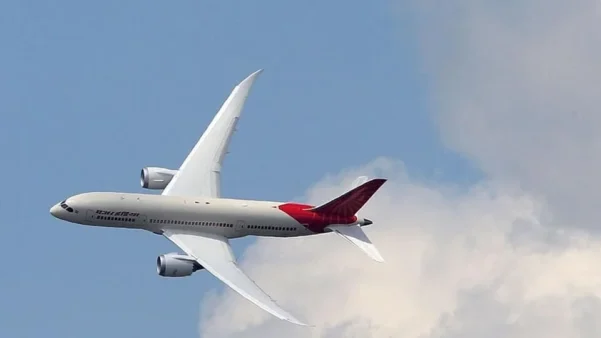
Airlines around the world are placing renewed focus on improving passenger comfort in economy cabins, a move that is increasingly shaping travel decisions and supporting the growth of long-haul tourism. As international travel demand continues to rise, aviation authorities and tourism boards highlight that enhanced onboard experiences are becoming a key factor in attracting global travellers, particularly on extended routes.
According to aviation industry data and airline operational updates, long-haul travel remains one of the fastest-growing segments of international tourism. With passengers spending several hours in transit, comfort in economy class has become a priority for airlines seeking to remain competitive while meeting evolving traveller expectations. This shift aligns with broader transport and tourism strategies that emphasise passenger satisfaction as a driver of repeat travel and destination appeal.
One of the primary ways airlines are improving comfort is through seat design and cabin configuration. Official airline specifications indicate that seat pitch, width, and recline play a crucial role in determining passenger experience. Carriers offering more generous seat dimensions are often recognised for providing a more comfortable journey, particularly on intercontinental routes.
Airlines operating extensive global networks have been at the forefront of these improvements. Many have introduced consistent seat standards across their long-haul fleets, ensuring that passengers receive a reliable experience regardless of the route. This consistency is important for international tourists who prioritise predictability when choosing airlines for long journeys.
In Asia, national carriers have been particularly proactive in enhancing economy class offerings. Aviation authorities in countries such as Japan and South Korea have supported fleet modernisation programmes that include improved seating configurations and upgraded cabin layouts. These initiatives reflect a commitment to maintaining high service standards and strengthening the region’s position as a leading hub for global travel.
Japanese airlines, for example, have focused on increasing seat space by adopting configurations with fewer seats per row. This approach allows for wider seats and greater legroom, significantly improving passenger comfort. Government-backed aviation policies emphasise that such innovations contribute to a positive travel experience, encouraging more visitors to choose these carriers for long-haul journeys.
Similarly, airlines in the Middle East have built strong reputations for offering consistent and comfortable economy products. Supported by national aviation strategies, these carriers operate modern fleets equipped with advanced cabin features. Their extensive networks connect major global destinations, making them a popular choice for travellers seeking both comfort and connectivity.
Southeast Asian carriers are also contributing to this trend by maintaining balanced seat dimensions and integrating modern amenities. Tourism boards in the region highlight that improved air travel experiences play a key role in attracting international visitors, particularly those undertaking long-distance journeys. Comfortable flights can significantly influence overall trip satisfaction, from departure to arrival.
In addition to seat dimensions, airlines are introducing innovative features designed to enhance comfort. Some carriers have developed flexible seating arrangements that allow passengers to create additional space, while others have improved recline mechanisms and ergonomic designs. These advancements are part of ongoing efforts to differentiate services in a highly competitive market.
Transport ministries and aviation regulators note that such innovations are closely linked to broader tourism growth strategies. By improving the quality of air travel, destinations can become more appealing to international visitors. Comfortable and reliable flights reduce travel fatigue, enabling tourists to begin their journeys with a positive experience.
The importance of economy class comfort is particularly evident in the context of long-haul tourism. Travellers flying between continents often spend more than ten hours in transit, making seat quality a critical consideration. Airlines that prioritise passenger well-being are more likely to attract repeat customers and build long-term loyalty.
Fleet modernisation programmes, supported by government policies, are further driving improvements in economy cabins. The introduction of new-generation aircraft allows airlines to optimise cabin layouts and incorporate advanced seating technologies. These developments contribute to both passenger comfort and operational efficiency, aligning with sustainability goals set by aviation authorities.
Tourism officials also emphasise that improved air travel experiences can encourage exploration of new destinations. When travellers feel comfortable during their journey, they are more likely to consider long-distance trips and multi-destination itineraries. This has a positive impact on global tourism, supporting economic growth in various regions.
Airlines are also focusing on maintaining consistent service standards across different aircraft types. This ensures that passengers receive a similar level of comfort regardless of the specific plane used for their journey. Such consistency is particularly important for international travellers who value reliability and transparency when booking flights.
The growing emphasis on economy class comfort reflects a broader shift in the aviation industry toward passenger-centric services. While premium cabins continue to offer luxury experiences, improvements in economy seating demonstrate that airlines are committed to enhancing travel for all passengers. This inclusive approach supports the overall growth of global tourism by making long-haul travel more accessible and enjoyable.
As competition intensifies, airlines are expected to continue investing in cabin innovations and service enhancements. These efforts will play a key role in shaping the future of air travel, ensuring that passengers can enjoy comfortable journeys even on the longest routes.
With best economy seats becoming a defining factor in airline choice, the connection between aviation quality and tourism growth is stronger than ever. Travellers can look forward to improved comfort, better service, and a more enjoyable travel experience as airlines continue to evolve in response to changing expectations.