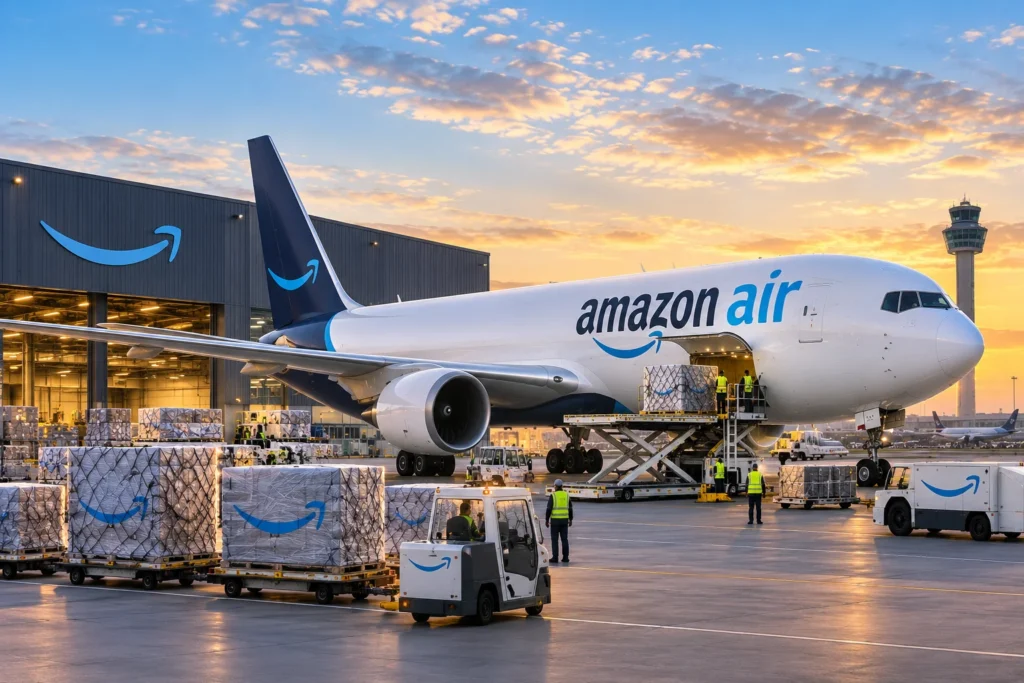
A major incident involving a Boeing 767 cargo freighter at Miami International Airport has drawn global aviation attention to the operational structure of Amazon Air. The dedicated e-commerce logistics network maintains a branded fleet of over 100 cargo aircraft, yet the retail enterprise operates zero flights directly under its own airline operating certificate.
Instead, the corporate logistics model relies entirely on third-party air carriers to manage operational control, supply certified flight crews, and maintain regulatory compliance with national aviation authorities.
The Operational Mechanics of the Capacity Purchase Agreement
Under the standard framework governing air freight logistics, branded fulfillment networks utilize specialized contractual arrangements known as Capacity Purchase Agreements (CPAs) or ACMI contracts (Aircraft, Crew, Maintenance, and Insurance). Within this framework, the primary e-commerce enterprise owns or leases aircraft hulls, paints them in standardized corporate liveries, and determines daily flight scheduling and cargo routing.
However, legal responsibility for real-time flight operations rests entirely with contracted independent airlines. Partner airlines handle the following operational mandates:
Crew Operations: Furnishing fully certified flight crews, including captains, first officers, and flight dispatch personnel.
Maintenance Programs: Executing mandatory airworthiness inspections, scheduled maintenance overhauls, and mechanical sign-offs.
Regulatory Compliance: Operating strictly under the independent carrier’s Air Carrier Certificate issued by federal aviation regulators.
This decentralized structure allows global retail and logistics platforms to scale international distribution networks rapidly without managing the direct operational overhead of a commercial airline.
Regulatory Oversight and Safety Audits Following Miami Incident
The operational distinction between brand management and flight execution has become a focal point for aviation regulators following the runway excursion at Miami International Airport. The aircraft involved—a Boeing 767-300 freighter—was operated on behalf of the logistics network by independent carrier 21 Air LLC.
Official announcements from federal safety agencies confirm that active inquiries are evaluating both the physical mechanics of the aircraft and the operational oversight frameworks linking logistics planners with their contracted flight operators. Federal aviation investigators are examining flight data records, cockpit communications, landing speed parameters, and weather conditions.
Additionally, safety inspectors are auditing pilot training protocols, crew scheduling practices, and maintenance logs across independent contracted partners. While the e-commerce company manages supply chain routing and package sorting at air gateways, federal airworthiness standards hold the certificated air carrier legally accountable for safe flight execution.
Impact on Global Supply Chains and Aviation Safety Frameworks
The ongoing federal inquiry highlights broader questions regarding supply chain oversight within the global air cargo sector. Commercial air transportation relies heavily on contracted capacity to move express freight across domestic and international trade corridors. Major cargo hubs and airport authorities monitor these operational arrangements closely, as air freight safety directly impacts airfield operations, runway throughput, and regional logistics infrastructure.
Industry analysts note that regulatory reviews following high-profile aviation incidents often lead to tightened safety management systems (SMS) across contracted carrier networks. As federal investigators assemble their findings, civil aviation authorities may issue updated safety recommendations affecting third-party freighter operations, wet-lease contractual standards, and oversight protocols across the express cargo industry.
For more travel news like this, keep reading Global Travel Wire