American Airlines Flight AA2196, operating from Miami to New Orleans, diverted to Jackson–Medgar Wiley Evers International Airport after an unexpected mid-route operational disruption, creating uncertainty for passengers while the airline had yet to publicly confirm the exact cause behind the decision.
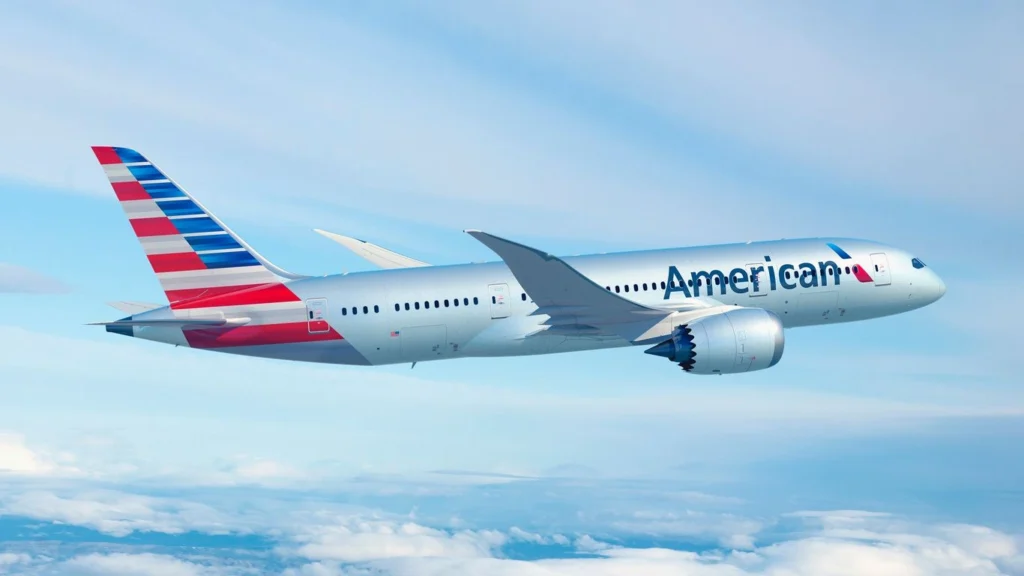
The aircraft, identified in the supplied information as a Boeing 737-800, departed Miami with New Orleans as its scheduled destination. Instead, the flight landed safely in Jackson, Mississippi. At the time of writing, there were no publicly confirmed reports of injuries, emergency evacuation, or a verified onboard emergency.
The diversion quickly drew attention because route changes involving commercial aircraft are widely tracked by passengers, aviation observers, and online flight monitoring communities. However, aviation authorities and airlines generally treat diversions as operational safety decisions until the specific facts are confirmed.
For travellers, the most important confirmed point is that the flight landed safely. The reason for the diversion remains unconfirmed, and any claim linking the incident to weather, a technical issue, medical situation, air traffic control restriction, or security concern would be speculative unless American Airlines or aviation authorities provide an official explanation.
Airline Cause Remains Unconfirmed
American Airlines had not publicly confirmed the exact reason Flight AA2196 diverted away from its planned Miami-to-New Orleans routing. That makes caution essential when reporting on the incident.
Flight diversions can occur for many reasons. Crews may choose an alternate airport because of aircraft indications requiring inspection, passenger medical concerns, changing weather, airport congestion, air traffic management instructions, or other operational factors. In many cases, the decision is precautionary and does not mean passengers were in immediate danger.
The Federal Aviation Administration’s aviation performance guidance describes diversions as events where a flight lands somewhere other than the intended destination, including cases linked to adverse conditions at the arrival airport or a situation onboard requiring landing at a nearby airport.
That broad definition underlines why the cause must not be assumed. A diversion is an operational outcome, not a confirmed diagnosis of what happened.
Jackson Airport Provides A Practical Diversion Point
Jackson–Medgar Wiley Evers International Airport is a practical alternate landing point for flights operating across the southern United States. Its location in Mississippi places it within reach of aircraft moving between Florida, Louisiana, Texas, Georgia, and other Gulf Coast markets.
For a Miami-to-New Orleans flight, Jackson can serve as a suitable diversion airport because it offers commercial aviation infrastructure, runway capability, airport operations teams, and access to airline support coordination.
The airport is operated under the Jackson Municipal Airport Authority and serves the Jackson region from its location at 100 International Drive. Its role as a commercial airport makes it capable of handling scheduled passenger aircraft and supporting operational needs when flights require an unscheduled landing.
In diversion situations, airlines normally coordinate with airport teams, maintenance control, dispatchers, ground handlers, and customer service staff to determine the next steps for passengers and the aircraft.
Passengers Face Disruption But Safety Comes First
For passengers onboard Flight AA2196, the diversion likely created uncertainty and inconvenience. Travellers expecting to arrive in New Orleans instead found themselves in Jackson, where onward travel depended on the airline’s operational review.
After a diversion, passengers may remain onboard while crews assess the situation, disembark into the terminal, wait for the same aircraft to continue, or be rebooked onto another flight. The outcome depends on the reason for the landing, aircraft status, crew duty time, airport resources, and available seats.
The U.S. Department of Transportation states that airlines must keep passengers informed during tarmac delays once certain time thresholds are reached, and airlines are expected to communicate with customers during significant disruptions. For travellers, clear updates are critical because diversions can affect connecting flights, hotel plans, ground transport, cruises, meetings, and holiday itineraries.
Even when a diversion is precautionary, the passenger experience can be stressful. That makes communication, rebooking support, and timely operational decisions central to protecting customer confidence.
Diversions Are More Visible In Modern Aviation
Flight diversions are not new, but they are now far more visible. Real-time flight tracking platforms allow the public to watch aircraft paths, altitude changes, route deviations, and unscheduled landings almost instantly.
This visibility often leads to rapid speculation before confirmed details are available. In the case of American Airlines Flight AA2196, the lack of an official cause means the safest and most accurate description remains that the flight diverted during its scheduled Miami-to-New Orleans journey and landed safely at Jackson.
Modern aviation systems are designed around caution. Pilots, dispatchers, controllers, and airline operations teams are trained to make conservative decisions when circumstances require closer assessment. A diversion may delay a journey, but it also ensures the aircraft reaches a suitable airport where support is available.
Tourism And Travel Plans May Be Affected
Although this was a domestic operational event, the impact can extend into tourism and hospitality. New Orleans is a major leisure, cruise, music, meetings, and convention destination. A diverted arrival can affect hotel check-ins, restaurant reservations, event attendance, cruise embarkation plans, and onward transport.
Miami is also one of the United States’ most important aviation and cruise gateways, making flights between Miami and New Orleans relevant for both domestic travellers and international visitors connecting through Florida.
For the wider travel sector, such incidents show how operational disruptions can ripple through passenger journeys. Airlines, airports, hotels, tour operators, and ground transport providers all depend on accurate timing and clear communication when schedules change unexpectedly.
Official Confirmation Remains Essential
American Airlines Flight AA2196 ultimately reflects how commercial aviation prioritises safety over schedule. The Boeing 737-800 diverted from its planned Miami-to-New Orleans route and landed at Jackson–Medgar Wiley Evers International Airport, with no publicly confirmed injuries reported in the information provided.
However, the cause remains unknown until confirmed by the airline or relevant aviation authorities. That distinction matters. Without official verification, the event should be treated as an operational diversion rather than a confirmed emergency.
For passengers and aviation observers, the next meaningful update will come when American Airlines provides a verified explanation or when public aviation records clarify the circumstances. Until then, the most responsible conclusion is that Flight AA2196 experienced a mid-route operational disruption, diverted as a precaution, and landed safely in Jackson.