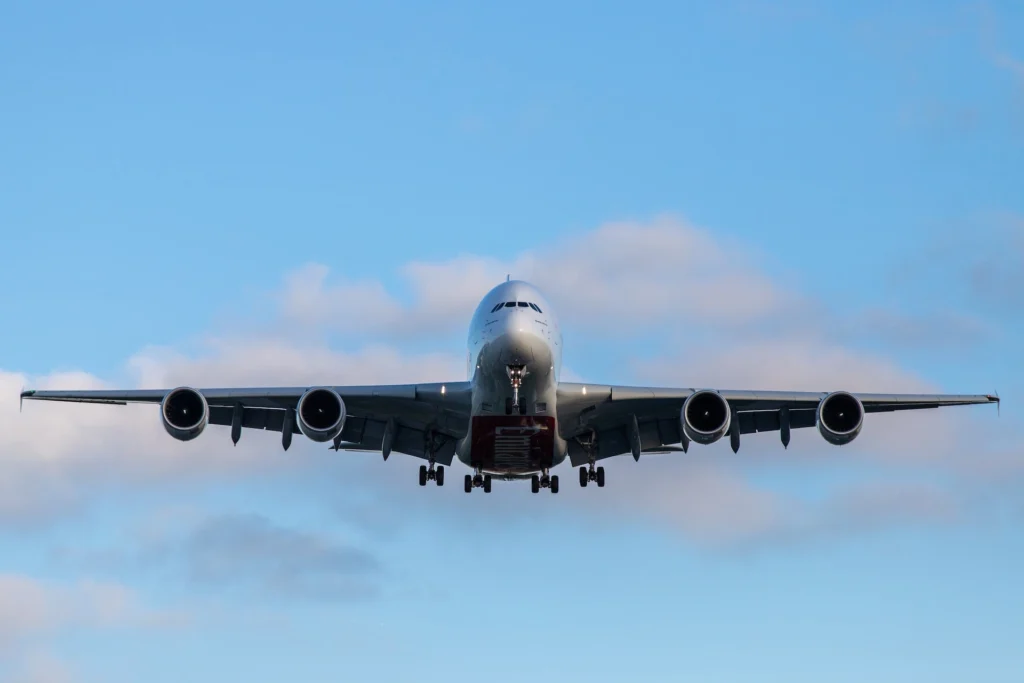
Global long-haul aviation is entering a major period of financial and operational renewal as Azul Brazilian Airlines, SAS, Air India and Lufthansa pursue widebody fleet strategies designed to lower costs, modernise passenger cabins and protect international connectivity.
The carriers are following different paths, ranging from lease restructuring and financial reorganisation to aircraft retrofits, new deliveries and the retirement of ageing jets. However, their shared objective is clear: establish more efficient long-haul operations capable of supporting future passenger demand without repeating the financial pressures experienced during previous market disruptions.
For travellers, the changes could deliver newer interiors, improved onboard technology, quieter cabins and more reliable international services. Airports and tourism destinations may also benefit as financially stronger airlines maintain or expand links connecting Brazil, Scandinavia, India, Germany and wider global markets.
Azul Moves Beyond Chapter 11 Restructuring
Azul successfully concluded its United States Chapter 11 financial restructuring process in February 2026, creating a foundation for the Brazilian airline to focus on operational performance and long-term growth.
Widebody aircraft remain important to Azul’s international strategy because they connect Brazil with key overseas destinations while supporting tourism, business travel and visiting-friends-and-relatives demand.
The airline’s next challenge is to control the recurring costs associated with long-haul operations. Aircraft leases, maintenance, fuel, crew requirements and airport services make widebody flying considerably more expensive than domestic narrow-body operations.
Renegotiating financial commitments can help Azul improve liquidity while preserving international capacity. This approach is particularly important for Brazilian travellers who depend on direct or connecting services from the airline’s domestic network to reach overseas markets.
Maintaining these flights also supports Brazilian airports, hotels, tourism businesses and regional communities that benefit from international visitor spending.
SAS Strengthens Its Post-Restructuring Strategy
SAS has also used financial restructuring to build a more competitive operating model and improve the efficiency of its network.
The Scandinavian carrier’s long-haul services play a central role in connecting Nordic countries with North America, Asia and other important international markets. Fleet planning is therefore closely linked to the airline’s ambition to strengthen Copenhagen as a major northern European hub.
Rather than relying only on network growth, SAS has focused on greater financial discipline, improved aircraft utilisation and a more commercially sustainable structure.
Modern widebody aircraft can reduce fuel and maintenance expenses while providing passengers with more consistent cabin products. They can also give SAS greater flexibility when matching capacity to seasonal demand across Scandinavia’s tourism and business markets.
Air India Accelerates Cabin Modernisation
Air India is pursuing one of the aviation industry’s most extensive transformation programmes, combining new aircraft acquisitions with a comprehensive refurbishment of its existing fleet.
The airline’s widebody retrofit programme includes 26 Boeing 787-8 Dreamliners. Its first fully retrofitted aircraft returned to Delhi in April 2026 after receiving a nose-to-tail cabin renewal.
The redesigned aircraft introduces new Business, Premium Economy and Economy cabins, upgraded seating, modern inflight entertainment, refreshed lavatories, new galleys and updated interior materials.
The remaining Boeing 787 retrofit programme is expected to continue through 2027. Air India is also investing in Airbus A350 aircraft as it expands services connecting India with Europe, North America, Australia and Asia.
These investments are especially important for India’s fast-growing international travel market. Modern cabins can help Air India compete more effectively for premium travellers while providing improved comfort to tourists, students, families and overseas workers.
Lufthansa Replaces Older Long-Haul Aircraft
Lufthansa Group is continuing a broad fleet-modernisation strategy centred on Airbus A350 and Boeing 787-9 aircraft.
The group expects to receive around 45 aircraft during 2026 across its short-haul and long-haul fleets. Its outstanding widebody orders include additional Airbus A350-900s, A350-1000s, Boeing 787-9s and Boeing 777-9s.
Lufthansa is also accelerating the retirement of older aircraft. The final Airbus A340-600s are scheduled to leave operations at the end of the 2026 summer timetable, while selected Boeing 747-400 capacity will also be removed.
Replacing older four-engine aircraft with modern twin-engine jets can reduce fuel consumption, maintenance complexity and carbon emissions. It also supports the introduction of Lufthansa’s Allegris cabin experience across more international routes.
For Germany’s major aviation hubs, newer aircraft may improve operational reliability while protecting connections to economically important destinations.
Lower Costs Become an Industry Priority
Widebody aircraft are among the most expensive assets operated by airlines. Their economics are influenced by lease rates, financing, fuel prices, maintenance schedules and passenger demand.
As a result, fleet restructuring has become a strategic requirement rather than a temporary response to financial pressure.
Azul is using restructuring to rebuild its financial position, SAS is strengthening its post-reorganisation model, Air India is combining retrofits with expansion, and Lufthansa is replacing inefficient aircraft through long-term fleet renewal.
The benefits extend beyond airline balance sheets. Newer and upgraded aircraft can improve cabin comfort, entertainment, connectivity and service consistency. Lower operating costs may also help carriers preserve routes that support tourism and international commerce.
This transformation signals a more disciplined era for global aviation. Airlines are no longer pursuing long-haul expansion solely through additional capacity. Instead, they are balancing growth with efficiency, modern passenger products and stronger financial resilience, creating a foundation for more sustainable international travel.
For more travel news like this, keep reading Global Travel Wire