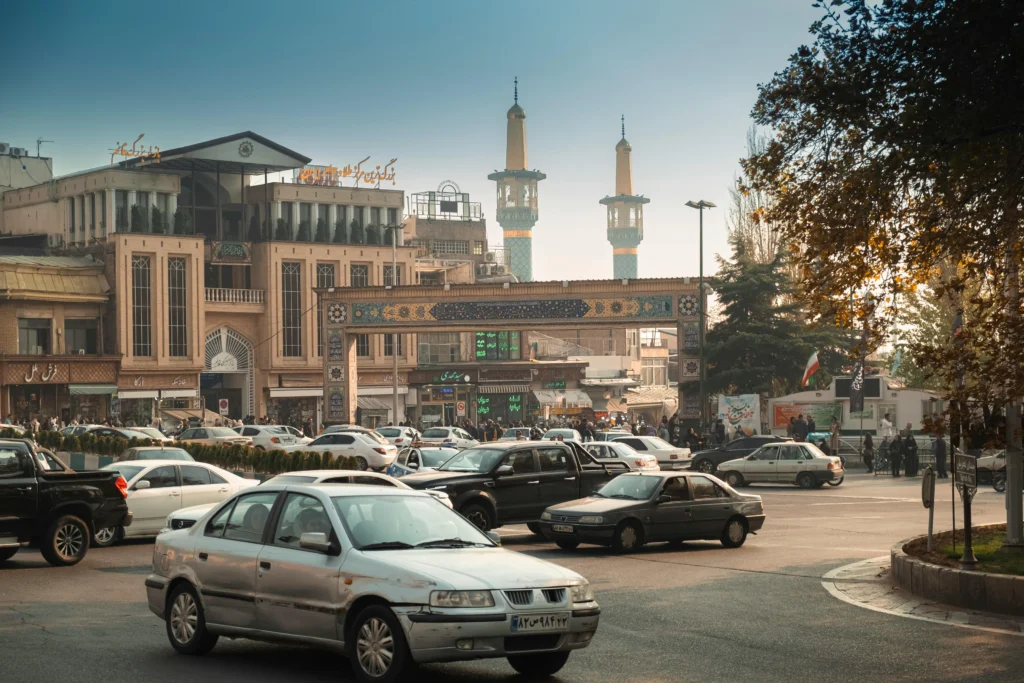
In the current climate of international discourse, the intersection of history, governance, and travel remains a point of significant interest for global observers. While political narratives often dominate the conversation, the structural and official elements of the Iranian tourism sector continue to operate within a framework of deep-seated historical pride and state-managed cultural preservation. According to official data from the Ministry of Cultural Heritage, Tourism, and Handicrafts, Iran remains a destination defined by its ancient roots, seeking to balance its rich monarchical past with its modern administrative reality.
The Preservation of Persian Identity and Official Heritage
Central to any discussion regarding the Persian identity is the stewardship of its world-renowned heritage sites. Official government records highlight that Iran is home to 27 UNESCO World Heritage sites, ranging from the ancient ruins of Persepolis to the intricate architecture of the Meidan Emam in Isfahan. These sites are not merely tourist attractions; they are the physical manifestations of a civilization that has transitioned through numerous dynastic shifts, including the era of the Pahlavi monarchy and the subsequent Islamic Revolution.
The Ministry of Cultural Heritage emphasizes that the maintenance of these landmarks is a priority for national identity. Official tourism board releases often showcase these locations as symbols of “enduring Iran,” a narrative intended to transcend temporary political cycles. For the international traveler, these sites offer a window into a complex history that is frequently simplified in foreign media. The contrast between the pre-1979 architectural grandiosity and the post-revolutionary aesthetic is a primary draw for cultural historians and curious explorers alike.
Strategic Shifts in Regional Travel and Diplomacy
Recent ministry statements indicate a pivot toward regional tourism partnerships. In an effort to diversify the visitor base, official government announcements have detailed new visa-waiver programs for citizens of several neighboring and allied nations. This strategic move is designed to bolster the economy through “faith-based” and “heritage-based” travel, focusing on the historical ties that bind the Persian plateau to Central Asia and the Middle East.
Statistics released by the Iranian Statistical Center show a steady influx of visitors from regional hubs, even as travel from Western nations remains subject to complex diplomatic ebbs and flows. This shift reflects a broader policy of “looking East,” where cultural exchange is used as a tool of soft power and economic resilience. The government’s official stance remains focused on promoting the “hospitality and safety” of the Iranian interior, often contrasting this with the portrayal of the country in international news cycles.
The Role of Diaspora and International Influence
The influence of the Iranian diaspora on tourism cannot be overlooked. While official state media and exiled opposition figures often present diametrically opposed views of the country’s current state, the physical act of “returning home” remains a significant driver for the travel sector. Official border statistics indicate that a substantial portion of international arrivals are Iranians living abroad who return to visit family or manage ancestral properties.
This demographic serves as a unique bridge between the two worlds. However, official travel advisories from various ministries often highlight the complexities involved for dual nationals. Despite these hurdles, the pull of the “Persian paradise”—a concept often invoked in both historical monarchist rhetoric and modern tourism campaigns—remains strong. The government continues to market the country’s diverse geography, from the ski resorts of the Alborz Mountains to the sun-drenched beaches of Kish Island, as a unified national asset.
Tourism Infrastructure and Modern Development
In terms of physical infrastructure, the government has announced several initiatives aimed at modernizing the hospitality sector. Official releases from the Ministry of Tourism detail the construction of new “eco-lodges” and the renovation of traditional caravanserais into luxury boutique hotels. This effort is part of a 20-year vision plan that aims to position Iran as a top-tier destination for sustainable and cultural tourism.
Official public information underscores the importance of the private sector in this development, with the state providing incentives for the restoration of historic buildings. This policy has led to a resurgence of interest in traditional Persian crafts and hospitality styles, which are frequently highlighted in official tourism brochures as the “authentic Iranian experience.” By focusing on the tangible beauty of the land and its people, the administrative goal is to steer the conversation toward the country’s enduring cultural appeal.
Navigating the Narrative: Official vs. External Perspectives
The disconnect between official government announcements and external media investigations is a recurring theme in the Persian context. While foreign outlets may focus on the rise of political figures or the influence of coordinated media campaigns, the official tourism organs of the state maintain a focus on stability and cultural continuity. Their releases prioritize the “security of the visitor” and the “unrivaled hospitality” of the local population.
For the international community, understanding the true state of the country requires a careful reading of these official sources. Whether it is a statement on the reopening of a museum or a report on the capacity of the national rail network, these documents provide a baseline for understanding how the state wishes to be perceived. They offer a counterpoint to the more volatile political headlines, focusing instead on the long-term preservation of the Persian legacy.
Conclusion: The Enduring Allure of the Silk Road
Ultimately, the story of Iranian tourism is one of resilience. Despite decades of shifting political winds and international pressures, the core appeal of the country—its history, its art, and its landscape—remains unchanged. Official tourism statistics and ministry statements continue to invite the world to witness the “cradle of civilization.” As the nation navigates its complex role on the global stage, its heritage remains its most potent and enduring ambassador. Whether viewed through the lens of a historical monarchy or a modern republic, the land of Iran continues to captivate the imagination of the global traveler.
For more travel news like this, keep reading Global Travel Wire