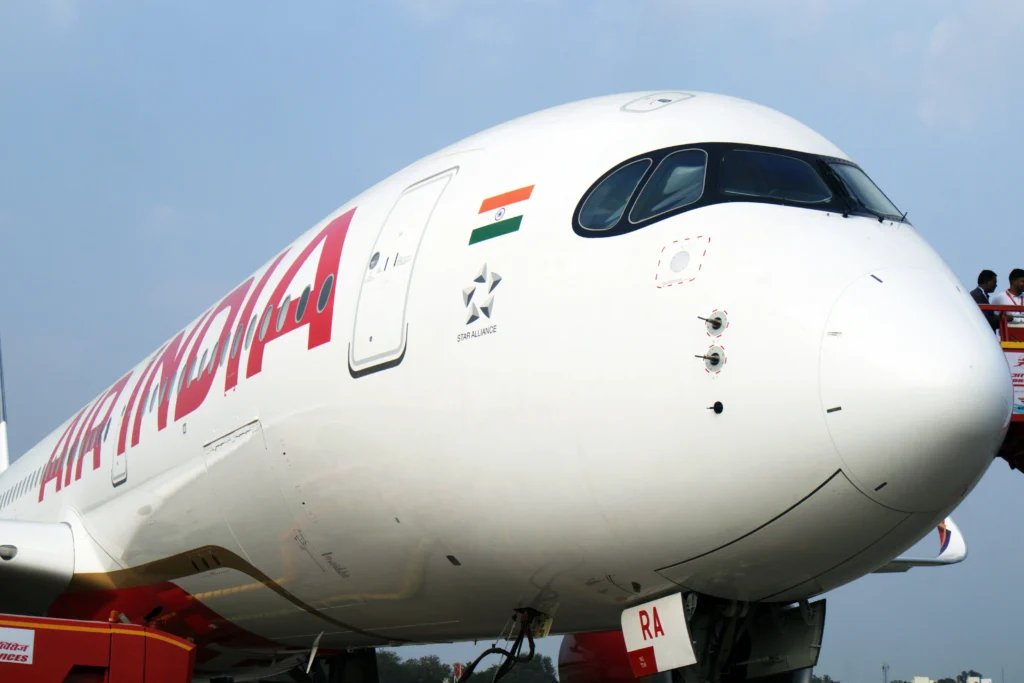
Dubai has introduced fresh restrictions on foreign airline operations, a move that is expected to create significant challenges for Indian carriers and influence travel demand between India and the Gulf. The updated measures are likely to affect airlines such as IndiGo, Air India, Air India Express and SpiceJet, all of which depend heavily on strong passenger traffic to Dubai and the wider United Arab Emirates.
The new aviation limits come at a time when regional air travel remains one of the busiest corridors for Indian outbound tourism. Dubai has long been a preferred destination for Indian holidaymakers, families, business travellers and transit passengers. Any reduction in flight frequency can directly impact ticket availability, fares, holiday planning and airline revenues.
Dubai Tightens Foreign Flight Operations
Under the revised arrangement, foreign carriers on certain routes are reportedly being limited to one daily round-trip service to Dubai airports until the end of May. This includes operations to Dubai International Airport and Al Maktoum International Airport. While the measure is temporary, it arrives during a peak period for family travel, business movement and leisure bookings from India.
Dubai is one of the world’s most connected aviation hubs, and even short-term restrictions can create ripple effects across tourism and airline networks. The city welcomes millions of international visitors each year through its airports, supported by official tourism campaigns, events, retail festivals and year-round hospitality offerings.
For Indian travellers, Dubai remains attractive because of short flight times, visa accessibility, luxury shopping, theme parks, desert experiences and a large Indian expatriate community.
Why Indian Airlines Could Face Revenue Pressure
Indian airlines are expected to feel the strongest financial impact because of their high dependence on Gulf routes. Flights between Indian cities and Dubai often operate with strong passenger loads, especially from metro cities and regions with large expatriate populations.
When airlines are forced to reduce services, the most immediate effects usually include:
- Lower seat capacity on high-demand routes
- Reduced passenger volumes
- Pressure on route profitability
- Schedule disruptions
- Increased competition for available slots
- Higher operational costs due to network adjustments
For airlines already managing fluctuating fuel prices and changing airspace conditions, reduced access to a major market like Dubai can affect short-term earnings.
Indian carriers have steadily expanded their Gulf presence in recent years, supported by growing tourism, labour travel and connecting traffic. Any cap on frequency can slow that momentum.
What It Means for Travellers Planning Dubai Holidays
Passengers travelling from India to Dubai may experience noticeable changes during the restriction period. While travel will continue, fewer daily options may reduce flexibility for those looking for specific departure times or lower fares.
Travellers may notice:
- Faster sell-outs on popular travel dates
- Higher fares during weekends and holidays
- Longer wait times for preferred schedules
- More one-stop alternatives instead of direct flights
- Greater demand for early bookings
For families planning school break holidays or short luxury getaways, booking in advance could become more important than usual.
Dubai remains fully open to tourists, and its hotels, attractions, beaches and entertainment districts continue to welcome international visitors. The restrictions relate to flight operations rather than tourism access.
Why Dubai Matters to Indian Tourism
Dubai is one of the most popular outbound destinations for Indian tourists. Official tourism strategies in the UAE have consistently focused on expanding visitor arrivals, strengthening air connectivity and enhancing visitor experiences. Indian travellers play a major role in this success.
Popular reasons Indians choose Dubai include:
- Easy short-haul travel from major Indian cities
- World-class hotels and resorts
- Family attractions and theme parks
- Shopping festivals and malls
- Fine dining and nightlife
- Luxury desert and marina experiences
- Major events, concerts and exhibitions
Because demand is so strong, even modest airline restrictions can have a visible impact on booking trends.
Could Airfares Rise Between India and Dubai?
Whenever seat supply drops and demand remains strong, airfare increases become more likely. This does not guarantee that all fares will rise sharply, but peak dates and last-minute bookings may become more expensive.
Budget-conscious travellers can reduce costs by:
- Booking early
- Choosing weekday departures
- Comparing nearby departure cities
- Travelling during off-peak dates
- Monitoring airline promotions
- Considering package deals with hotels
Travel agents may also see increased demand for bundled Dubai holiday packages that secure flights and accommodation together.
Wider Impact on Gulf Travel and Regional Connectivity
Dubai is not only a destination but also a major transit gateway. Many passengers use Dubai to connect onward to Europe, Africa and North America. Reduced frequencies from India could affect some connecting itineraries and create more competition for available seats.
The Gulf region remains strategically important for Indian aviation due to tourism, trade and diaspora travel. As a result, airline access policies are closely watched by both carriers and travellers.
If restrictions are eased later, airlines could quickly restore schedules and recover demand. Dubai’s tourism ecosystem is highly resilient, supported by large-scale infrastructure, strong hospitality capacity and ongoing destination marketing.
Outlook for Summer Travel 2026
Despite temporary airline limitations, Dubai is expected to remain one of the top international choices for Indian travellers in 2026. Strong brand appeal, premium experiences and family-friendly attractions continue to make the city a leading tourism hotspot.
Travellers who stay flexible, book early and monitor airline schedules are likely to find good options even during the restricted period. For airlines, the focus will remain on protecting market share, managing capacity and responding quickly once operating conditions improve.
Dubai’s long-term tourism story remains strong. However, in the short term, these flight restrictions may reshape travel patterns, ticket prices and airline revenues across one of Asia’s busiest international travel corridors.