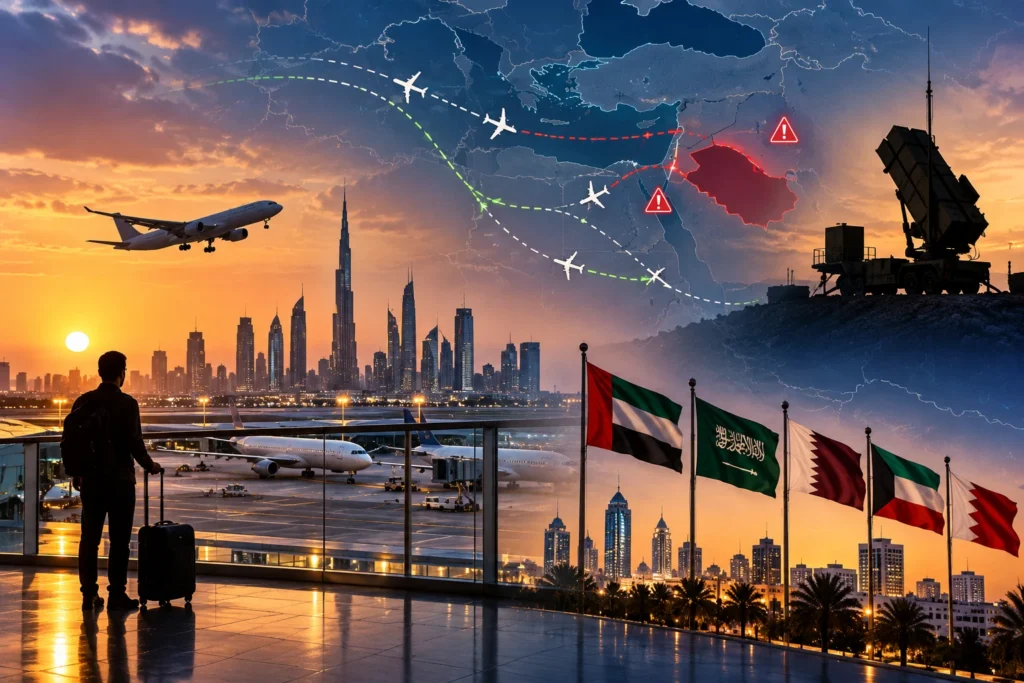
Travelers flying across Europe are facing widespread disruption as 92 flights have been cancelled and 1,360 delayed across major airports in Greece, Russia, the United Kingdom, the Netherlands, Italy, Spain and Belgium.
The disruption is affecting heavily used aviation hubs including Athens International Airport, London Heathrow, Amsterdam Schiphol, Rome Fiumicino, Milan Malpensa, Alicante and Brussels Airport. Airports in Russia, including Pulkovo in St. Petersburg and Moscow Sheremetyevo, have also recorded significant operational pressure.
Passengers traveling today should confirm their flight status directly with their airline before leaving for the airport. Live operational figures can change throughout the day as carriers adjust schedules, aircraft rotations and departure times.
Athens Records the Highest Delay Total
Athens International Airport has recorded the largest delay volume among the affected airports, with 190 delayed flights and one cancellation.
The disruption is particularly important for travelers beginning summer holidays in Greece or connecting through Athens to island destinations. Delays at a major gateway can affect onward travel plans, including domestic flights, ferry connections, hotel check-ins and pre-booked transfers.
Aegean Airlines and Sky Express are among the carriers most visible in the Athens disruption picture. Travelers should allow additional time at the airport and monitor gate information closely.
St. Petersburg Faces the Most Cancellations
Pulkovo Airport in St. Petersburg has recorded 171 delays and 21 cancellations, the highest cancellation figure among the listed airports.
Rossiya Airlines has the largest combined disruption footprint among the affected carriers, with 117 delays and 42 cancellations across multiple airports. Aeroflot has also recorded substantial operational pressure, with 115 delays and 12 cancellations.
Moscow Sheremetyevo has reported 128 delays and 20 cancellations, while Vnukovo has recorded 63 delays and 15 cancellations. Kazan has also experienced a smaller but notable number of disruptions.
Passengers traveling through Russian airports should review their latest departure information carefully and contact their airline promptly when a cancellation affects onward connections.
London Heathrow and Amsterdam Schiphol See Heavy Delays
London Heathrow has recorded 169 delays and six cancellations, creating potential complications for international and connecting passengers using one of Europe’s busiest aviation hubs.
British Airways has been among the most affected airlines, with 108 delays and one cancellation. Other carriers operating through Heathrow may also experience schedule changes as delays build across the airport.
Amsterdam Schiphol has recorded 159 delays and 13 cancellations. KLM has reported 64 delays and 13 cancellations, making the airline one of the most visible carriers in the day’s disruption update.
Travelers transferring through Heathrow or Schiphol should pay particular attention to connection times. Passengers with tight itineraries may need to speak with airline staff about alternative flights or rebooking options.
Italy, Spain and Belgium Also Report Disruptions
Rome Fiumicino has recorded 145 delays and five cancellations, with ITA Airways and Ryanair among the carriers most affected. ITA Airways has reported 71 delays, while Ryanair has recorded 76 delays across multiple European airports.
Milan Malpensa has experienced 116 delays and two cancellations. The disruption may affect leisure travelers, business passengers and visitors connecting to other Italian destinations by rail or road.
In Spain, Alicante Airport has recorded 140 delays and two cancellations. The airport is an important gateway for coastal tourism, meaning schedule changes could disrupt hotel arrivals, airport transfers and holiday itineraries.
Brussels Airport has reported 65 delays and three cancellations, adding further pressure to the European aviation network.
Airlines Across Europe Face Operational Pressure
Other affected carriers include Aegean Airlines, easyJet, Sky Express, Wizz Air Malta, Virgin Atlantic, SAS, Turkish Airlines, Vueling Airlines, Eurowings and Delta Air Lines.
The disruption does not mean every flight operated by these airlines is affected. Travelers should check the status of their specific service rather than assuming that an itinerary has changed.
When flights are delayed or cancelled, knock-on effects can continue throughout the day as aircraft and crews move between airports.
What Travelers Should Do Before Heading to the Airport
Passengers should check airline apps, airport departure boards and official notifications before leaving for the terminal.
Travelers should also confirm baggage-drop deadlines, boarding gates and revised departure times after receiving any delay alert. Essential medication, documents, chargers and one change of clothing should remain in hand luggage when disruption is widespread.
Passengers affected by cancellations should ask their airline about rebooking, alternative routes and available support. Keeping boarding passes, receipts and airline notifications can also help when requesting assistance or reimbursement.
Summer Travelers Should Monitor Updates Closely
The latest disruption comes as Europe enters a busy summer travel period, with airports handling strong demand from holidaymakers, business travelers and international visitors.
Flight schedules may continue to change during the day. Travelers flying through Athens, St. Petersburg, London, Amsterdam, Rome, Milan, Alicante, Brussels or Moscow should monitor official airline and airport updates closely before beginning their journey.
For more travel news like this, keep reading Global Travel Wire