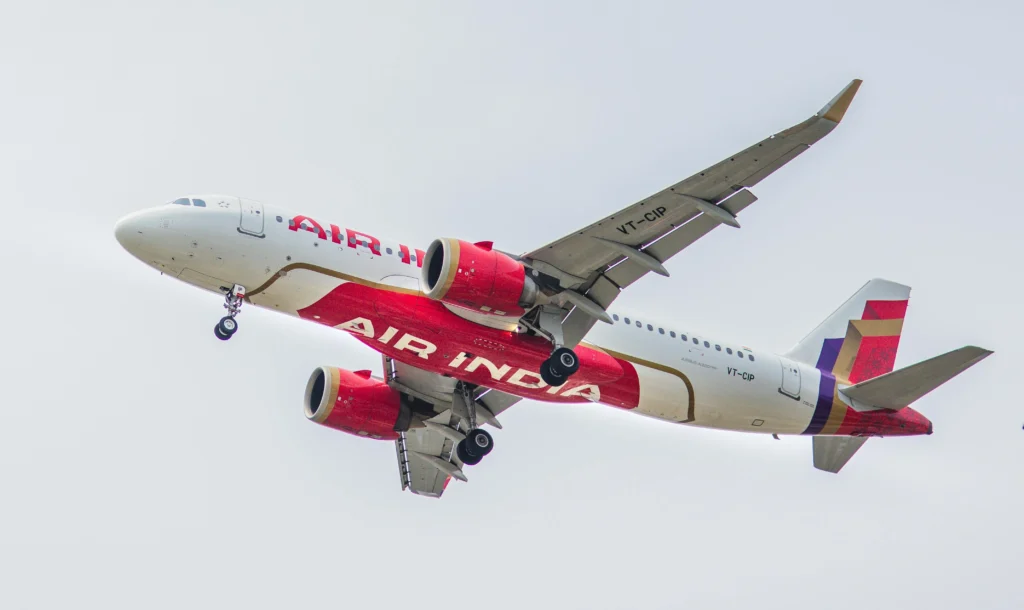
The landscape of international travel is undergoing a significant transformation as major carriers adapt to shifting geopolitical realities and changing economic indicators. In a move that highlights the interconnected nature of global tourism and aviation policy, Air India has announced a strategic restructuring of its international flight schedule for the upcoming peak summer travel season.
The decision, which involves a reduction of approximately 140 flights per week—representing nearly 27% of the carrier’s international operations—is set to influence travel patterns between India and major global destinations across North America, Europe, Australia, and Asia from June through August.
According to official statements from airline representatives, the proactive adjustments are designed to enhance network stability, optimize operational efficiency, and minimize potential last-minute disruptions for global travelers. As India’s second-largest carrier, maintaining a robust market share of 14% and managing millions of seats annually, Air India’s operational pivot underscores the broader challenges currently facing the aviation and tourism sectors worldwide.
Navigating Complex Airspace and Routing Realities
The primary catalyst for this network optimization stems from recent airspace restrictions across the Middle East. Global aviation corridors have become increasingly complex, with several key regions requiring alternative routing. For carriers operating out of South Asia, the standard paths connecting the East and the West have been significantly altered.
Aviation policy experts note that the necessity to bypass traditional flight paths has created a compounding effect on long-haul travel. Alternative routes mean longer flight times, increased crew rotation requirements, and a substantial rise in fuel consumption. When combined with existing regional airspace limitations, the operational viability of certain direct international routes requires careful recalibration.
For international tourism, this means that travelers may experience longer journey times and fewer direct routing options to key cultural and commercial hubs. Tourism boards globally are monitoring these developments closely, as changes in seat capacity directly influence visitor arrivals and hospitality sector performance during the high season.
Economic Pressures and the Cost of Jet Fuel
Beyond the physical constraints of the skies, fiscal pressures are playing an equally critical role in shaping the current travel environment. The aviation sector is grappling with record-high jet fuel prices, which are further amplified by localized taxation structures. In certain hubs, aviation turbine fuel costs remain substantially higher than global averages due to domestic fiscal policies and import dynamics.
Simultaneously, currency fluctuations are influencing purchasing power and operational budgets. Recent financial market data indicates that currency pressures are prompting a reevaluation of outbound travel trends.
In light of these economic indicators, official guidance from state authorities has encouraged a strategic focus on domestic resource preservation. Government representatives have highlighted the impact of a rising national import bill on currency stability, suggesting that citizens look closer to home for their upcoming leisure plans.
Financial analysts specializing in the transport sector suggest that to balance rising operational costs and currency shifts, a general upward adjustment in international airfares—potentially in the range of 15%—may be anticipated across the industry.
The Rise of Domestic Tourism: A Silver Lining for Local Economies
While reductions in international flight capacities present challenges for outbound globetrotters, they simultaneously open a massive window of opportunity for the domestic tourism sector. The combination of adjusted flight schedules, higher international ticket prices, and official encouragement to explore local destinations is driving a significant surge in domestic holiday bookings.
National tourism boards and regional hospitality sectors are perfectly positioned to capitalize on this shift. India’s diverse landscape—ranging from the serene hill stations of the Himalayas and the pristine beaches of Goa to the rich cultural heritage circuits of Rajasthan—offers an endless array of alternatives for travelers pivoting away from international vacations.
Industry statistics reveal that when outbound travel faces friction, domestic luxury travel experiences see an immediate uptick in demand. Premium resorts, heritage homestays, and boutique wellness retreats are anticipating record-high occupancy levels for the June-to-August period. This redistribution of travel expenditure provides a vital boost to local economies, supporting everything from regional artisans to hospitality employment.
What This Means for International Travelers
For those still planning journeys abroad, flexibility and early preparation have become the new gold standard of travel planning. Industry specialists recommend the following strategies for navigating the current summer travel window:
Monitor Schedules Closely: Passengers holding bookings for travel between June and August should regularly verify their flight statuses through official airline portals to manage any schedule modifications proactively.
Anticipate Longer Layovers: With direct capacities reduced on certain routes, booking connecting flights through alternative global hubs may become more common.
Explore Alternative Gateways: Travelers are encouraged to look at secondary airports or partner airlines within global alliances to find optimal routing.
As the global aviation industry adapts to these macro-environmental shifts, the resilience of the tourism sector remains clear. Whether navigating altered flight paths to distant lands or discovering hidden gems within domestic borders, the fundamental desire for exploration continues to drive the market forward, prompting both airlines and travelers to find innovative ways to keep moving.
For more travel news like this, keep reading Global Travel Wire