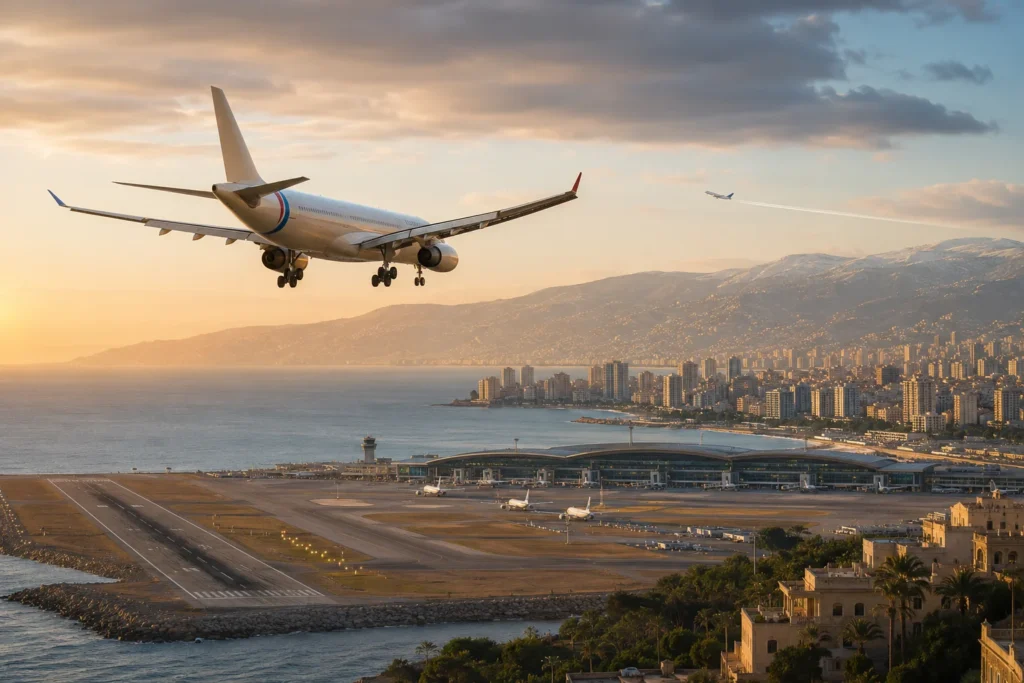
In a milestone announcement for transatlantic connectivity and Middle East tourism, direct commercial flight operations between the United States and Lebanon are preparing to resume following a four-decade hiatus. Official public declarations confirm that executive directives have been issued to pave the way for American commercial carriers to establish direct air corridors to Beirut once all strict aviation safety and security protocols are satisfied.
The historic decision ends a suspension that has been in effect since 1985. The official clearance marks a strategic shift toward strengthening international travel links, opening crucial corridors for trade, family reunification, and leisure travel between North America and the Mediterranean nation.
Security Certifications and Regulatory Approvals Frame the Restart
While the policy direction clears a high-level regulatory hurdle, the practical restoration of scheduled air service depends on thorough operational readiness. The United States Department of Transportation and aviation security agencies require rigorous airport audits and security clearances prior to approving non-stop passenger flights.
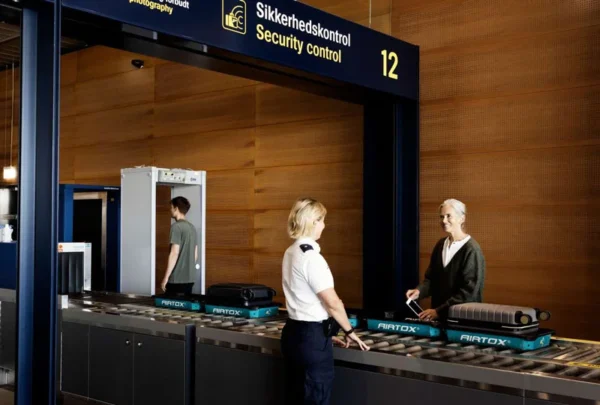
Beirut Rafic Hariri International Airport (BEY) must fulfill comprehensive security certification requirements to ensure compliance with international civil aviation safety standards. Commercial airlines will evaluate market demand, arrange aircraft allocations, and coordinate bilateral traffic rights before publishing official flight timetables and opening booking windows for travelers.
Official executive statements from Lebanon’s government leadership warmly welcomed the announcement. Government leadership noted that restoring direct travel routes opens significant opportunities to expand global connectivity, streamline travel for the vast Lebanese diaspora, and jumpstart national tourism and economic development.
Comprehensive Airport Infrastructure Expansion Drive Capacity
The decision to permit US Lebanon direct flights arrives alongside major national infrastructure investments aimed at positioning Beirut as a resilient regional aviation hub. The Lebanese government and aviation authorities are advancing plans for a $500 million expansion project to construct a second terminal at Beirut Rafic Hariri International Airport.
Designed to accommodate an additional five million passengers annually, the second terminal project will significantly increase the airport’s processing capacity, modernize passenger handling systems, and offer expanded facilities for international carriers.
In tandem with airport expansion, national aviation planners are preparing for the mid-2027 launch of Fly Beirut, a new low-cost airline subsidiary under flag carrier Middle East Airlines (MEA). Launching with an initial fleet of Airbus A320 narrow-body aircraft, Fly Beirut plans to serve key European and regional destinations including Paris, Amsterdam, Berlin, Copenhagen, Düsseldorf, Istanbul, and Dubai. This expanded domestic and regional air capacity is structured to seamlessly feed international long-haul traffic arriving into Beirut.
Regional Travel Clearances and Tourism Policy Updates
The resumption of transatlantic route access coincides with a broader easing of travel restrictions across the Middle East. Official announcements confirmed the lifting of travel advisories for United Arab Emirates nationals visiting Lebanon, subject to pre-departure registration through official diplomatic channels such as the Ministry of Foreign Affairs’ Twajudi platform.
This easing of regional travel restrictions has contributed to a steady influx of tourists and returning residents across popular coastal resorts, historic heritage sites, and cultural destinations in Lebanon. The return of regional visitors provides essential support to the country’s hospitality, retail, and food service sectors.
Tourism officials emphasize that direct long-haul flights from North America will dramatically reduce travel friction for millions of travelers who previously relied on multi-stop connections through European or Gulf hubs. Eliminating layovers makes travel more accessible for eco-tourists, cultural heritage enthusiasts, and international tour operators designing Eastern Mediterranean itineraries.
Middle East Aviation Capacity Demonstrates Steady Recovery
The planned restoration of US-Lebanon direct air service highlights the overall operational resilience of Middle East commercial aviation. Regional flight capacity figures released by global aviation data providers reflect strong recovery across the Middle East network.
Airlines are operating tens of millions of departing seats across regional and intercontinental flight paths, demonstrating that capacity impacted by earlier operational adjustments has largely been restored. As international air corridors stabilize, airline operators are actively adjusting schedule networks to capture growing international leisure and business demand.
With official security certifications under review and multi-million-dollar airport infrastructure projects progressing, the framework for resuming direct US-Lebanon air connectivity represents a major step forward for international aviation, regional stability, and tourism growth.
For more travel news like this, keep reading Global Travel Wire