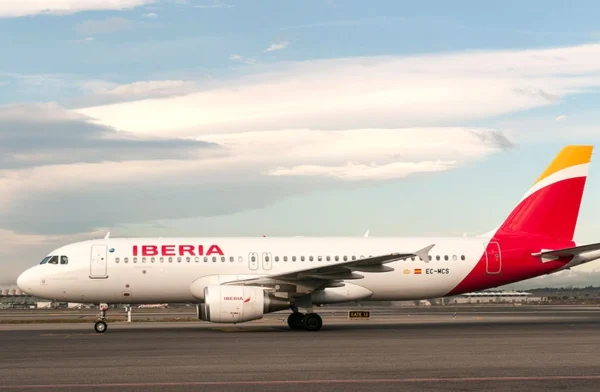
Iberia has expanded its international network from Madrid with new flights to Monterrey in Mexico and Bucharest in Romania, reinforcing the Spanish capital’s role as a major aviation bridge between Europe, the Americas and emerging tourism markets in Eastern Europe.
The airline launched direct Madrid–Monterrey flights on June 2, operating three times weekly on Tuesdays, Fridays and Saturdays. The route uses Airbus A330-200 aircraft with capacity for 288 passengers across Business and Economy cabins.
At the same time, Iberia introduced a seasonal Madrid–Bucharest service from June 3 to September 30. Flights operate twice weekly on Wednesdays and Sundays, giving travelers more options for summer trips between Spain and Romania while supporting onward connections through Madrid.
Together, the routes reflect Iberia’s broader strategy of strengthening Madrid as a global hub and expanding into markets with growing demand for tourism, business travel and international connectivity.
Monterrey Becomes Iberia’s Second Destination in Mexico
The Monterrey launch marks an important step in Iberia’s Mexico strategy. The airline now serves two destinations in the country from Madrid: Monterrey and Mexico City.
Iberia expects to offer approximately 53,000 seats on the Monterrey route during 2026. Combined with Mexico City services, total capacity between Spain and Mexico will exceed 820,000 seats, representing an 8 percent increase compared with the previous year.
Monterrey is one of Mexico’s most important industrial and commercial centers. The city attracts business travelers linked to manufacturing, logistics, finance, technology and international investment. Its growing role in global supply chains makes direct European air connectivity increasingly valuable.
For leisure travelers, the route also broadens access to northern Mexico. Visitors can use Monterrey as a gateway for urban experiences, gastronomy, cultural attractions and outdoor activities in the surrounding region.
The service strengthens travel options in both directions. Passengers from Monterrey gain direct access to Madrid and connections across Iberia’s network, while travelers from Spain and other European markets receive a new nonstop route into northern Mexico.
Madrid Strengthens Its Role as a Europe–Americas Gateway
Madrid-Barajas Airport remains central to Iberia’s international growth strategy. The airport handled 68.2 million passengers in 2025, including 51.5 million international travelers.
Its location and network structure make Madrid a key transfer point between Europe and Latin America. Iberia’s latest expansion builds on that position by adding another important Mexican city and increasing the number of journeys that can connect through the Spanish capital.
Travelers arriving from Monterrey can continue onward to destinations across Spain, Europe, Africa and Asia. At the same time, passengers from other regions can connect through Madrid to northern Mexico without relying on additional hubs.
This connectivity strengthens Madrid’s competitiveness as airlines continue investing in international routes that combine business traffic, tourism demand and long-haul transfer opportunities.
Bucharest Adds New Summer Travel Options
The new Bucharest route expands Iberia’s seasonal European network and creates a direct link between Madrid and Romania’s capital during the busy summer travel period.
Bucharest offers a mix of historic architecture, cultural attractions, restaurants and urban tourism experiences. The city also serves as a starting point for travelers exploring destinations beyond the capital, including Transylvania and the Carpathian region.
The twice-weekly schedule supports both leisure travel and international connections. Passengers flying from Bucharest can use Madrid as a gateway to North America and Latin America, while travelers from Spain gain easier access to Romania during the summer season.
The route also reflects rising interest in Eastern European destinations as travelers seek city breaks, cultural itineraries and alternative summer experiences beyond traditional Mediterranean markets.
Tourism and Business Sectors Could Benefit Across Three Markets
The new routes have potential benefits beyond aviation. Hotels, restaurants, transport providers, attractions and conference venues in Madrid, Monterrey and Bucharest could gain from increased passenger movement.
For Monterrey, the route supports corporate mobility and international investment while creating new opportunities for tourism. For Bucharest, the seasonal connection improves visibility and accessibility during a key travel period.
Madrid benefits as both an origin market and a transfer hub. More international passengers can support airport activity, hospitality demand and onward travel across Spain.
Iberia’s expansion into Monterrey and Bucharest demonstrates how airlines are using Madrid to connect diverse markets with distinct travel patterns. One route deepens Spain’s links with Mexico, while the other opens new summer opportunities in Eastern Europe.
As demand continues to grow across international leisure and business travel, Madrid is strengthening its position as one of Europe’s most important aviation bridges.
For more travel news like this, keep reading Global Travel Wire