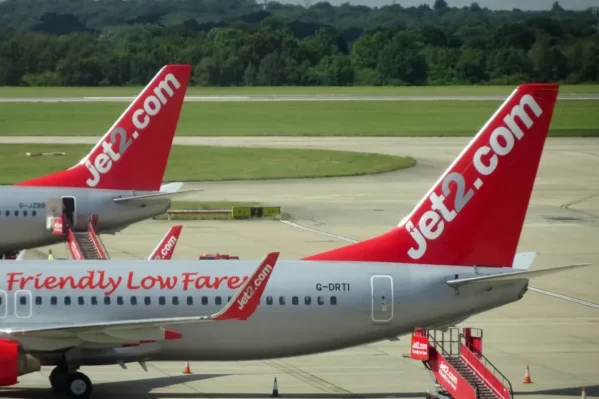
Jet2 has removed 240,000 seats from its winter 2026–27 programme as higher fuel costs put pressure on operating profitability. The airline confirmed the adjustment on 18 November 2026, following record passenger numbers and revenue during its latest six-month reporting period.
Approximately 5.7 million winter seats remain available, representing 3.8% growth compared with the previous year. However, the overall increase includes expansion at London Gatwick. Excluding that airport, capacity across Jet2’s established network is approximately 3.6% lower than last winter.
Winter Reductions Follow a Review of Planned Capacity
The Jet2 winter seat cuts cover seats removed from sale since early September. They reflect changes to the airline’s previously advertised programme.
For passengers, the effect will depend on their departure airport, travel dates and chosen destination. A larger overall schedule can coexist with fewer options in individual markets.
The announcement provides no complete route-by-route breakdown. Travellers should therefore compare current services from their preferred airport when organising Christmas trips, winter sunshine holidays or European city breaks.
Customers with existing reservations should follow booking-specific notifications for any changes affecting their journey.
Record Traffic Fails to Prevent Profit Decline
Jet2 carried 15.4 million passenger sectors during the six months ending 30 September 2026, up 9% year on year.
Revenue rose 5% to £5.63 billion. Pre-tax profit, however, declined 19% to £652.2 million, while operating profit fell 18%.
The company identified lower flight-only ticket yields and increased operating expenditure among the pressures on performance. Aircraft occupancy improved to 89.7%, showing that stronger passenger volumes did not translate into higher profit.
These results help explain the airline’s cautious approach to winter flying. Revenue from each service must cover fuel, staffing, airport charges and other operating expenses.
Fuel Hedging Provides Substantial Protection
Jet2 identified elevated forward fuel prices as a principal reason for reducing its winter programme.
The company had hedged approximately 91% of its winter fuel requirements at an average US$880 per tonne. Those arrangements protect much of its expected fuel spending from immediate market movements.
The remaining requirement remains exposed to prevailing prices. Fuel also forms only one part of the airline’s cost base.
During quieter periods, airlines review whether expected bookings and fares justify operating particular departures. That assessment can lead to schedule adjustments even when annual passenger demand remains strong.
Ryanair Also Revises Winter Growth Plans
Ryanair has reported approximately two million fewer winter seats than originally planned. Its financial-year passenger forecast has been reduced from 216 million to 214 million.
The airline nevertheless expects winter passenger traffic to remain broadly level with the previous year. It is also adjusting aircraft deployment according to airport costs and aviation taxes.
Changes affecting selected Belgian and German markets form part of that wider approach. Those announcements may overlap with the overall reduction, so their figures should be assessed carefully.
For passengers, the relevant consequence is how individual routes and departure days change within the revised programme.
easyJet Figure Requires Careful Attribution
Ryanair’s October investor presentation cited an approximate 1.4-million-seat winter reduction at easyJet.
The supplied material identifies that number as a competitor-reported estimate. It has yet to be independently confirmed through the easyJet financial material described.
easyJet’s original winter release included more than 25 million seats for travel between 19 October 2026 and 31 January 2027.
Passengers should use the airline’s current timetable to assess their options. The cited estimate provides no comprehensive list of routes affected.
Gatwick Remains Central to Jet2 Expansion
Jet2’s Gatwick operation helps explain why its overall winter capacity remains above the previous year.
During its first summer season at the airport, load factors exceeded 90% between June and September 2026.
The airline plans to increase its Gatwick-based fleet from six aircraft to eight for summer 2027. Capacity at the airport is expected to grow approximately 40%.
Across its network, Jet2 plans around 21 million summer 2027 seats, an increase of 5%. These plans show where the airline intends to pursue growth beyond the winter adjustments.
Holiday Choices Depend on the Revised Schedule
Fewer seats can reduce flexibility on selected dates, especially where passengers have limited departure options. Prices will also depend on demand, competition and remaining availability.
Travellers can compare nearby airports and alternative dates where practical. Baggage, transfers and accommodation should form part of the total-cost comparison.
For tourism businesses, the revised schedules will shape package availability and arrival patterns through winter. Jet2’s immediate focus is matching capacity with operating conditions while retaining a larger overall winter programme and preparing for further summer expansion.
For more travel news like this, keep reading Global Travel Wire