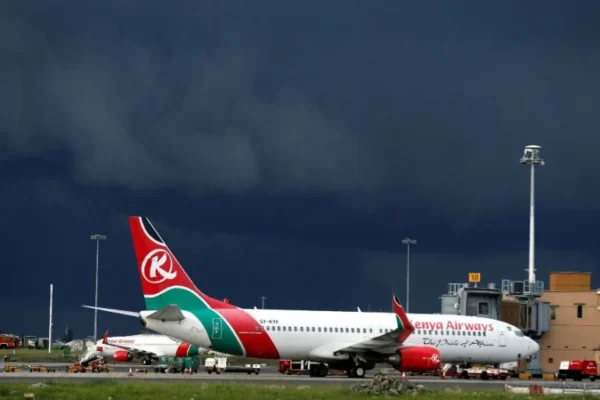
Kenya has approved US$350 million in shareholder financing for Kenya Airways, targeting aircraft restoration, urgent operational needs and business continuity. The Cabinet decision, dated 9 October 2026, aims to strengthen the airline’s operations and protect connections supporting tourism and business travel.
The financing will support maintenance and fleet availability, with the National Treasury overseeing phased disbursements. Structured as a shareholder loan, the facility carries a repayment period of up to ten years.
For Kenya’s visitor economy, the potential benefit centres on more dependable air access. However, approval does not immediately introduce additional flights, lower fares or changes to existing bookings.
Aircraft Restoration Supports International Connectivity
Fleet recovery remains central to the airline’s operational priorities. Returning aircraft to service could improve scheduling flexibility and help Kenya Airways manage connections through its Nairobi hub.
In its August 2026 financial release, the airline confirmed that a Boeing 787-8 returned to operation in July. A Boeing 777-300ER had also rejoined its operating fleet.
These developments illustrate why aircraft availability matters for international services. More usable aircraft can give an airline greater flexibility when assigning equipment and maintaining its published schedule.
Nevertheless, financing approval alone cannot establish when individual aircraft will return. Maintenance completion, regulatory requirements, crew availability and commercial decisions will shape the operational outcome.
For passengers, any confirmed service changes will require separate airline communication.
Debt Restructuring Forms Another Recovery Measure
Alongside the new Kenya Airways funding, the Cabinet endorsed restructuring approximately KES122 billion in existing government loans, plus accrued interest.
The proposal would convert those obligations into an equity-qualifying tradable instrument, subject to necessary approvals. Its intended purpose is to strengthen the balance sheet and support future capital raising.
This measure addresses existing government debt, while the US$350 million facility provides additional shareholder financing. The two components therefore serve different financial purposes.
Corporate, shareholder and regulatory approvals remain necessary for the proposed restructuring. Cabinet endorsement does not mean the conversion has already occurred or that existing obligations have disappeared.
Together, the measures seek to address immediate operating pressures and the airline’s longer-term financial position.
Financial Results Show Continuing Cost Pressures
Kenya Airways’ first-half results explain the importance of operational recovery. Revenue increased 9% to KES81 billion during January–June 2026, despite a 9% reduction in operating capacity.
However, fuel expenditure climbed 32%, while total operating costs rose 14%. The airline reported an after-tax loss of KES16.1 billion, against KES12.2 billion a year earlier.
Its passenger cabin factor improved by four percentage points, showing fuller aircraft despite reduced capacity. Even so, higher costs continued to weigh on financial performance.
These figures underline the challenge facing the recovery programme. Restoring aircraft must accompany cost control, liquidity management and efforts to secure additional capital.
Tourism Growth Highlights the Importance of Air Access
Kenya’s national tourism figures demonstrate the importance of dependable international connections. International visitor arrivals reached approximately 2.55 million in 2025, increasing 6.2% from the previous year.
Jomo Kenyatta International Airport and Moi International Airport together handled approximately 1.96 million international visitor arrivals. That represented more than three-quarters of the national total.
Nairobi’s airport alone recorded approximately 1.72 million arrivals, reinforcing its importance as an international gateway.
These figures cover visitors arriving on multiple airlines. They do not measure Kenya Airways’ individual contribution or establish an impact from the October financing approval.
Nevertheless, they show why maintaining air access matters to destinations, accommodation providers and businesses serving international visitors.
Hotels and Attractions Await Delivered Benefits
Kenya recorded approximately 11.56 million occupied hotel bed-nights in 2025, up 12.6%. National parks and game reserves attracted nearly 3.95 million visits, while the country hosted 998 international conferences.
Reliable flight connections can support access to these experiences and services. For hotels, tour operators and conference organisers, dependable arrivals help connect international demand with local tourism activity.
However, the financing has not yet demonstrated additional hotel occupancy, visitor spending or attraction visits. Those outcomes will depend on delivered services and sustained demand.
What Travellers Should Watch Next
Travellers should continue checking confirmed schedules and airline-issued operational notices when planning journeys through Nairobi. The funding announcement does not change ticket conditions or guarantee additional capacity.
The next meaningful developments will concern completed maintenance, aircraft returning to service and confirmed scheduling decisions.
For Kenya’s tourism industry, the package creates a financial framework for recovery. Its eventual value will depend on whether stronger fleet availability translates into reliable connections for visitors and businesses.
For more travel news like this, keep reading Global Travel Wire