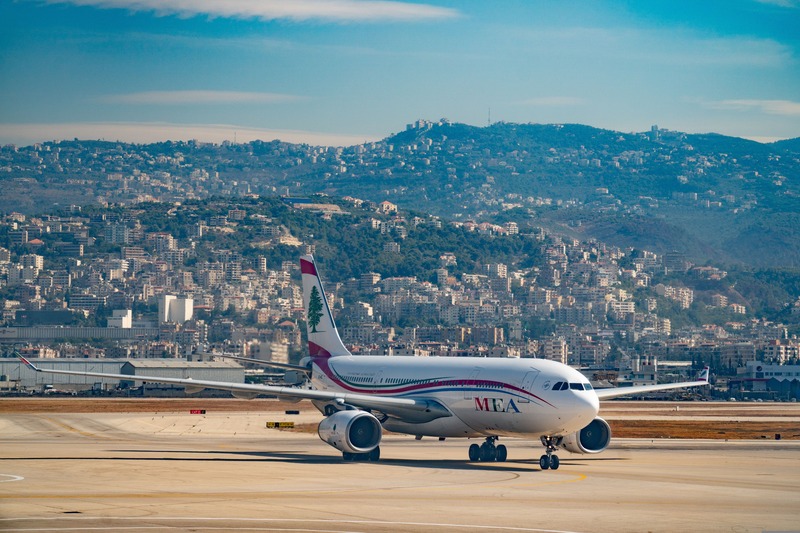
Lebanon is preparing to open a second international airport in the northern part of the country, a development that could reshape its aviation network while creating fresh opportunities for tourism and regional economic growth. The planned reopening of Kleiat Airport, also known as René Mouawad Airport, is expected to provide an additional international gateway alongside Beirut’s Rafic Hariri International Airport, offering travellers another route into the country.
The development carries significance beyond aviation. Located in the Akkar region near the Syrian border, the airport is expected to support one of Lebanon’s economically disadvantaged areas by attracting investment, creating employment and encouraging cross-border travel. The Lebanon second international airport project also reflects changing political circumstances in the country, with the government’s renewed focus on regional development and infrastructure investment.
According to a November 25 Reuters report, commercial operations are expected to begin in December 2026, with initial connections planned to Turkey, Egypt and Jordan.
Kleiat Airport is situated along Lebanon’s Mediterranean coast, approximately 20 kilometres from the Syrian border crossing. Once operational, it will provide an alternative entry point for international visitors and potentially improve access to northern Lebanon. The initial route network is expected to connect the airport with Turkey, Egypt and Jordan. Discussions with additional regional and international airlines are also underway, although further destinations have not yet been confirmed. The airport is being developed to serve both Lebanese and Syrian passengers, potentially creating a useful transport connection for communities on either side of the border.
Lebanon’s existing international aviation network is heavily concentrated around Beirut. The opening of another airport could provide greater flexibility for travellers, particularly during periods when regional tensions disrupt flights or access to the capital. The airport’s revival is being supported through a public-private partnership. The Lebanese government has awarded a four-year operating concession to Sky Lounge, a private company responsible for managing the facility.
According to Public Works and Transport Minister Fayez Rasamny, the private sector is expected to invest between $5 million and $6 million in the project. The government, meanwhile, plans to improve road infrastructure connecting the airport with surrounding communities.
Sky Lounge Chairman Ziad Monla sees the airport as an opportunity to address decades of limited investment in northern Lebanon. The company hopes the facility will become a regional travel hub serving Lebanese and Syrian passengers. It also expects the project to generate up to $20 million in government revenue over the four-year concession period. The operating company has already signed an agreement with a local airline, while negotiations with other regional and international carriers are continuing.
One of the main objectives behind reopening the airport is to bring greater economic activity to Akkar, a predominantly Sunni region that is widely regarded as Lebanon’s poorest area. More than 300,000 people live in the region, where limited infrastructure and employment opportunities have contributed to long-standing economic challenges. Local politicians and business representatives have supported the airport’s transformation from a former military airbase into a civilian aviation facility for years.
Improved air connectivity could help encourage investment in hotels, hospitality services, transportation and other tourism-related businesses. It could also make northern Lebanon more accessible to international visitors interested in its coastal landscapes, rural communities and cultural attractions. The airport’s location near Syria may offer additional opportunities to serve passengers travelling between northern Lebanon and major Syrian cities, subject to future route development and border arrangements.
For local businesses, the potential benefits extend beyond passenger traffic. Better transport connections could support trade, logistics and the movement of goods, helping the region become more commercially connected.
The airport project also reflects Lebanon’s changing political landscape. Plans to convert the former military facility into a civilian airport had encountered resistance from Hezbollah, which raised concerns about airport security and control. However, the balance of political influence has changed considerably since 2024, following Israeli military campaigns against Hezbollah and the removal of former Syrian President Bashar al-Assad, a key regional ally of the group.
Both developments weakened Hezbollah’s political influence and changed the circumstances surrounding the airport proposal.
Prime Minister Nawaf Salam, who took office in early 2025, has included the airport’s reopening among his government’s priorities. The initiative forms part of a wider effort to strengthen state institutions, improve infrastructure and encourage economic development across Lebanon.
Although the airport is primarily being presented as an economic development project, its revival also demonstrates how changes in political conditions can influence major infrastructure decisions.
The planned opening of René Mouawad Airport represents an important development for Lebanon’s transport and tourism sectors. For a country that has experienced prolonged economic difficulties and repeated disruptions to its aviation industry, an additional international gateway could provide greater connectivity and support regional recovery. However, the airport’s long-term success will depend on airline participation, passenger demand, reliable road connections and the completion of operational requirements. Its ability to attract international visitors will also depend on wider regional stability.
For northern Lebanon, the project offers something more significant than another runway and passenger terminal. It creates an opportunity for a region that has remained outside the country’s main economic and tourism corridors to become more connected with international markets. If the planned December launch proceeds successfully, Kleiat Airport could mark the beginning of a new chapter for Lebanese aviation while giving Akkar fresh opportunities for employment, investment and tourism development.