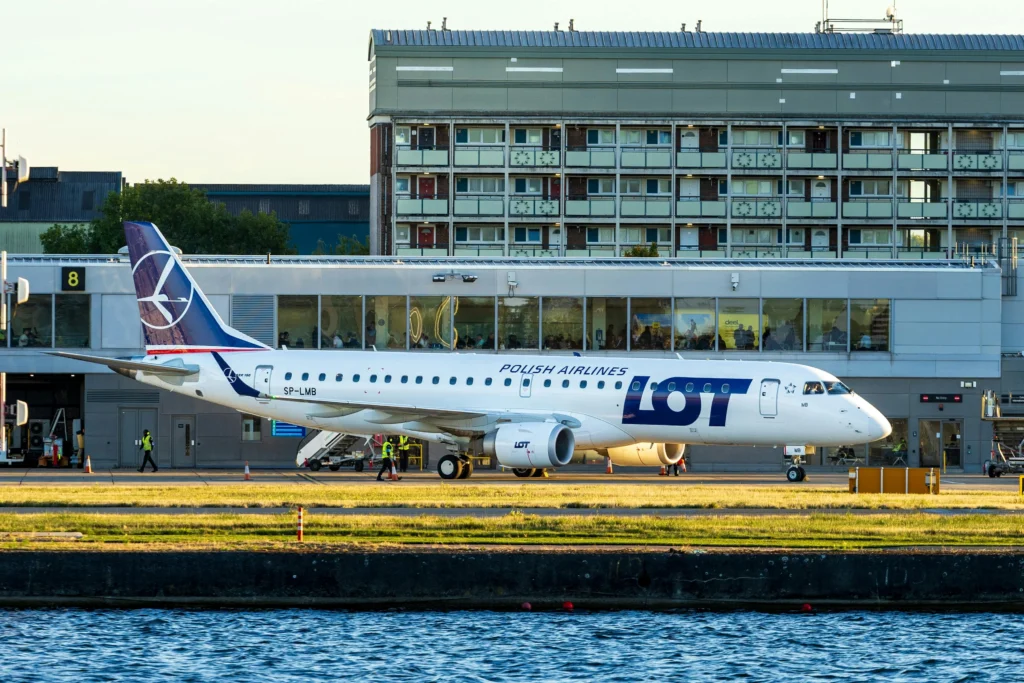
LOT Polish Airlines is set to redefine transatlantic travel with the launch of a new direct route between Warsaw Chopin Airport (WAW) and San Francisco International Airport (SFO). Beginning May 6, 2026, this route will operate four times weekly, providing a streamlined air bridge between Central Europe and the U.S. West Coast. The timing is crucial as global energy volatility and geopolitical tensions demand efficient solutions.
In the wake of the ongoing global energy crisis, which has seen oil prices surge to $200 per barrel, LOT Polish Airlines is deploying its fuel-efficient Boeing 787 Dreamliner to tackle soaring jet fuel costs. This aircraft is renowned for its reduced fuel consumption, quieter cabin, and enhanced passenger comfort, allowing LOT to keep fares competitive despite global challenges.
The geopolitical situation in the Persian Gulf has caused disruptions to major trade corridors. The military tension in the Strait of Hormuz has driven energy market instability. In response, airlines are avoiding volatile airspace and optimizing direct routes. This new route bypasses congestion and provides a secure, nonstop connection linking the U.S. technology hub of Silicon Valley with Central Europe.
By providing a direct 11.5-hour connection, the new service enhances connectivity between Poland, the Czech Republic, Hungary, and Lithuania, and the U.S. West Coast. It also offers corporate travelers and leisure tourists a direct path, minimizing layovers and reducing fuel usage. LOT’s frequency—Wednesday, Thursday, Saturday, and Sunday—caters to business and leisure travelers alike.
The Boeing 787 Dreamliner gives LOT a strategic advantage. It’s designed for fuel efficiency, reducing operational costs even in a high-fuel-cost environment. This ensures LOT can maintain affordability for passengers while supporting sustainability goals.
The route also supports the tech sector. With shipping disruptions forcing cargo detours, fast, direct air routes are vital. Warsaw and San Francisco’s tech hubs will benefit from swift movement of goods and professionals.
The regional impact is substantial. Tourism boards anticipate growth in inbound tourism to Poland’s historic cities and neighboring capitals like Prague and Budapest. Local economies on both ends of the route will benefit from increased visitor spending. Meanwhile, business communities will enjoy direct, cost-efficient pathways to collaborate across continents.