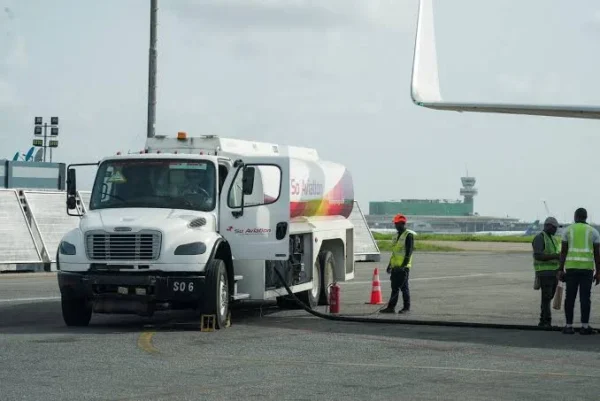
Reliable Jet A1 supply remains essential to Nigeria’s air connectivity as airlines plan domestic and international services. Fuel availability, quality and cost can influence schedules, operating expenses and decisions about future routes. For travellers, those factors can shape how easily they reach destinations across the country.
The issue reaches beyond airlines. Airports need dependable refuelling services, while tourism businesses depend on flights that visitors can plan around. However, a general concern about fuel resilience does not establish that any particular flight has faced a shortage. Travellers should check airline notices for information about their own journeys.
Nigeria’s aviation fuel system involves suppliers, storage facilities, transport networks, airport services and airline operations. Weakness at any stage can create pressure elsewhere. Building resilience therefore requires attention to the full supply chain, including safety checks before fuel reaches an aircraft.
Why Jet A1 Matters to Airline Operations
Most commercial passenger aircraft use Jet A1, a kerosene-based turbine fuel. Airlines must obtain suitable fuel at the airports they serve and plan each aircraft’s movements accordingly.
A single aircraft may operate several flights in one day. If refuelling takes longer than planned, a delay can affect later departures. Persistent uncertainty can also make schedules and route costs harder for an airline to manage.
Fuel is a major airline expense. Price changes may influence decisions about fares, flight frequency and capacity. Other costs also shape those decisions, so a fare increase or schedule change should not automatically be attributed to Jet A1.
Supply reliability matters particularly on routes with limited alternatives. A dependable refuelling arrangement helps carriers maintain planned services between Nigeria’s commercial centres and regional destinations. It also gives airlines a firmer basis for considering additional flights.
Fuel Quality Is Part of the Story
Availability alone cannot make an aviation fuel system reliable. Suppliers must protect fuel quality through storage, handling, testing and delivery.
The Nigerian Civil Aviation Authority provides guidance on inspecting aviation fuel suppliers’ facilities and equipment. It also addresses aircraft refuelling procedures and the risks associated with fuel contamination. Those responsibilities show why a quick increase in supply must still meet aviation safety requirements.
Fuel passes through several hands before an aircraft departs. Clear procedures help operators identify problems during transport, storage or refuelling. Airlines and passengers ultimately depend on both sufficient fuel and confidence in its quality.
Domestic refining capacity could support Nigeria’s longer-term supply options. Yet producing a petroleum product does not, by itself, guarantee dependable airport deliveries. Certified fuel, suitable facilities and effective distribution all matter.
What Travellers May Notice
Passengers usually see the outcome of airline operations rather than the fuel supply chain behind them. If a carrier reports a fuel-related problem, travellers may face a changed departure time or revised itinerary. The effect depends on the airport, airline and flight involved.
Anyone travelling during a reported disruption should follow their airline’s direct updates. The carrier can confirm whether a specific flight will operate and explain available alternatives. General industry concerns cannot answer those booking-specific questions.
For visitors, schedule reliability affects more than arrival time. A change may interfere with a hotel check-in, an onward flight or a planned tour. Tourism operators also need timely information when guests cannot arrive as expected.
No nationwide flight cancellation total or current shortage figure is established by the information available for this article. Assessing the scale of any specific disruption would require dated operational information from airlines or responsible authorities.
Why Tourism Depends on Fuel Resilience
Air links help visitors reach Nigerian cities and connect with destinations beyond major gateways. They also support conferences, business travel and trips to see friends and family.
A reliable flight network can make travel planning easier for visitors and the businesses serving them. Hotels, tour operators and transport providers can coordinate more effectively when airline schedules remain dependable.
Fuel security is only one part of that picture. Airport facilities, aircraft availability, safety oversight and passenger services also affect travel. Nevertheless, fuel supply remains a basic requirement for every flight an airline intends to operate.
Nigeria’s aviation development therefore depends on practical coordination among fuel suppliers, airports, airlines and regulators. Adequate storage, consistent quality checks and clear communication can help each group plan ahead. Transparent updates also help passengers respond when operations change.
Planning for Future Air Travel Growth
As Nigeria pursues stronger domestic and international connectivity, Jet A1 planning will remain central to aviation investment. Airlines need predictable operations before committing aircraft to new routes or additional frequencies.
Stronger supply arrangements could support more dependable access for travellers and tourism businesses. Their impact would need to be measured through actual airline operations, fares and passenger outcomes.
For now, the distinction is clear: aviation fuel resilience is a significant planning issue, while any claimed shortage needs specific confirmation. Travellers should use airline updates for immediate decisions. The wider sector needs safe, reliable fuel delivery to support lasting growth.
For more travel news like this, keep reading Global Travel Wire