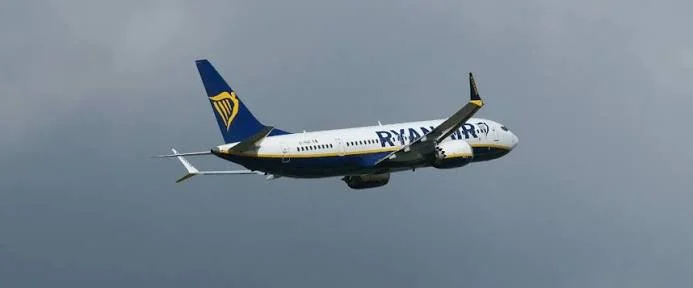
Ryanair confirmed on 5 October 2026 that an industry association has brought an Irish High Court action seeking licence suspension. The airline maintains that it meets European ownership and control requirements and will contest the claim.
The announcement disclosed litigation rather than an operational suspension. It identified no cancelled routes, passenger instructions to rebook or changes to border requirements.
For travellers, that distinction is central. A request to suspend an operating licence does not establish that a court has ordered flights to stop.
The immediate travel position therefore depends on confirmed schedules and individual booking notices. Any subsequent consequences will depend on further decisions and their scope.
Ownership and Voting Rights Drive the Dispute
The challenge concerns airline ownership and effective control, with shareholder arrangements forming an important part of the discussion.
Ryanair’s annual disclosure recorded EU nationals holding 30% of the parent company’s capital on 31 March 2026. Those shareholders could exercise 100% of voting rights.
These figures measure different interests within the company. Capital ownership describes an economic stake, while voting entitlement concerns participation in corporate decisions.
They do not show how many shareholders actually voted. Nor do the percentages independently establish the outcome of the court challenge.
The airline says its arrangements satisfy the applicable requirements. The litigation places that position under examination, without supplying a final determination.
For readers, the important distinction is between disclosed shareholder information and a concluded assessment of compliance.
Shareholder Restrictions Changed After Brexit
The background includes changes to how Ryanair treats shareholders following the United Kingdom’s departure from the European Union.
From 1 January 2021, UK nationals no longer qualified as EU nationals under the company’s shareholder restrictions.
On 7 March 2025, Ryanair ended restrictions preventing non-EU investors from purchasing ordinary shares. However, restrictions on attending, speaking or voting at shareholder meetings remained.
The annual report later recorded the ownership position at the end of March 2026.
Ryanair disclosed the court challenge on 5 October. That publication date should not become the assumed date proceedings began.
The announcement did not specify when the action started. Keeping those dates separate provides a clearer account of the dispute’s development.
European Tourism Has Reasons to Monitor Developments
Ryanair’s scale makes the challenge relevant beyond Ireland, although the announcement establishes no destination-level disruption.
For the financial year ending March 2026, the group reported 208 million booked passengers and approximately 235 airports served.
Those figures cover group operations rather than Ireland alone. Booked passenger totals also represent journeys rather than necessarily counting unique individuals.
The network connects travellers with destinations that depend on accessible air services. Hotels, attractions, airports and other tourism businesses therefore have reasons to follow developments.
However, network size does not identify how many passengers could face disruption. It also provides no basis for calculating lost bookings.
Any meaningful operational assessment would need to identify the services affected by a subsequent decision.
No Confirmed Tourism Losses or Fare Increases
The disclosure does not establish cancelled holidays, reduced visitor arrivals or higher ticket prices linked to the case.
Possible restrictions could influence capacity and destination access, but that remains analysis of a potential outcome.
The effect would depend on the decision, its implementation and alternative services. Different routes and destinations could face different circumstances.
Consequently, forecasts of tourism losses would go beyond the information currently available.
Ryanair also alleges that the action seeks to restrict competition and passenger choice. That remains the airline’s position rather than an established finding.
The distinction matters for tourism reporting, where uncertainty can otherwise become an unsupported prediction about traveller demand.
Passengers Should Follow Their Booking Information
Travellers with existing reservations should monitor airline messages and departure information for their actual journeys.
The announcement does not instruct customers to cancel trips or purchase replacement tickets. It also announces no new passport or visa requirement.
Keeping booking confirmations accessible can help passengers respond if a confirmed schedule change occurs.
Hotels, transfers and other arrangements should follow the status of the booked flight, rather than speculation about the litigation.
For passengers planning future trips, the same principle applies: assess available services and confirmed travel information.
Further Decisions Will Define the Travel Impact
The 5 October disclosure provides no hearing date, judgment deadline or operational implementation timetable. Ryanair’s confirmed next step is to oppose the action.
Future updates will require careful examination of what a court or regulator actually decides.
Until then, the story concerns a contested licensing position rather than an announced interruption to travel.
For Ireland and the wider European tourism market, reliable connectivity remains the central issue. Confirmed decisions will determine whether this dispute changes passenger journeys.
For more travel news like this, keep reading Global Travel Wire