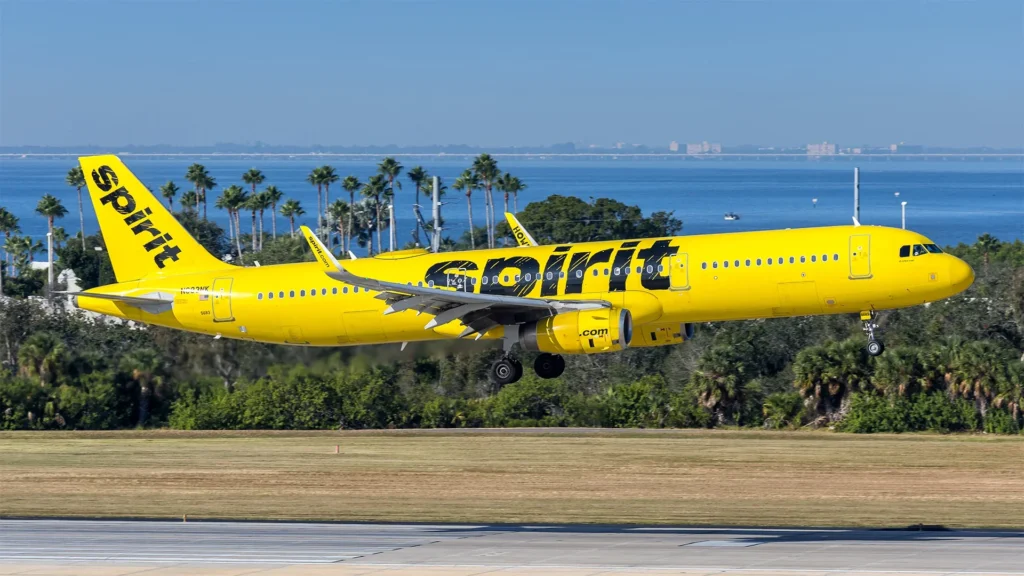
Spirit Airlines’ fleet restructuring has become an aircraft wind-down following the cancellation of all its flights in May 2026. The development marks a major change for a carrier that helped make low-fare travel available across the United States, Latin America and the Caribbean.
Spirit announced on May 2 that it had begun winding down operations immediately. The decision followed months of work to reorganise its finances and build a smaller airline around routes with stronger demand.
For travellers, the distinction is crucial. Spirit’s earlier fleet plans described a path toward continued service. Its subsequent shutdown ended that plan, leaving aircraft, airport access and former routes subject to decisions made during the bankruptcy process.
The change also reaches beyond one airline. Spirit’s low base fares gave leisure travellers another option when comparing destinations and flights. Its absence changes the competitive picture on routes it once served.
A Smaller Fleet Plan Gave Way to Closure
Spirit entered Chapter 11 proceedings in August 2025 and continued flying while it pursued a restructuring. Aircraft leases and future fleet size became central to that effort because planes carry substantial ongoing costs.
In March 2026, Spirit announced a reorganisation plan that called for a fleet of 76 to 80 aircraft by the third quarter. The proposed fleet would consist primarily of Airbus A320 and A321 aircraft with earlier-generation engines.
That plan would have reduced the airline’s size while concentrating capacity on a redesigned network. Fewer aircraft could have lowered lease and operating commitments, but would also have limited the flights Spirit could offer.
The plan did not produce an operating recovery. In its May announcement, Spirit said rising oil prices and other business pressures had worsened its financial outlook. The airline said it could not secure the additional funding needed to continue.
As a result, references to Spirit’s fleet strategy now concern its wind-down. They should not suggest that the airline is preparing new schedules or restoring passenger service.
Why the Aircraft Decisions Matter
Spirit built its business around an all-Airbus fleet. Using aircraft from the same family supported common training, maintenance and scheduling practices across its operation.
That approach helped the airline pursue a low-cost model with frequent aircraft use. However, leases, maintenance and financing remained significant obligations during its bankruptcy.
Spirit’s earlier restructuring included negotiations over aircraft agreements. The later wind-down changed the purpose of those decisions: the company was no longer matching planes to a future flight network.
Aircraft that leave an airline can eventually serve another operator, depending on ownership, lease terms and condition. That possibility does not establish when or where Spirit’s former capacity will return.
Airports and destinations must therefore assess connectivity based on confirmed services from operating carriers. A plane changing hands does not automatically replace a cancelled route or its previous frequency.
What Spirit’s Exit Means for Travellers
Spirit played a visible role in the US ultra-low-cost market. Its fares appealed particularly to price-conscious leisure travellers willing to choose and pay separately for optional services.
Its shutdown removed those flights from the market. Travellers planning journeys on affected routes must now compare available airlines, schedules and total prices for their trips.
The impact will differ by airport. Some destinations may have several competing carriers and alternative departure times. Others may have had fewer direct options even before Spirit stopped flying.
For tourism businesses, convenient and affordable air access can influence a visitor’s choice of destination. Hotels, attractions and local transport providers all depend, in part, on travellers being able to reach them.
However, Spirit’s closure alone does not establish that fares rose on every former route. Any effect depends on how much capacity other airlines provide and how demand changes over time.
Refunds and the Continuing Bankruptcy Process
Spirit said it would automatically refund flights purchased directly from the airline with a credit or debit card. It advised travellers who booked through an agent to contact that agent.
The company said the bankruptcy process would determine compensation for bookings made through other methods, including vouchers, credits and Free Spirit points.
Those arrangements remain relevant to passengers affected by the shutdown. Travellers should rely on current booking and refund information when resolving a cancelled Spirit journey.
Spirit’s fleet wind-down illustrates how quickly an airline’s recovery plan can change. In March, the carrier proposed a smaller operation. By May, it had cancelled every flight.
The lasting aviation impact will depend on where other airlines add service and whether they replace the low-fare choices Spirit provided. For travellers and destinations, confirmed flight availability is now the measure that matters most.
For more travel news like this, keep reading Global Travel Wire