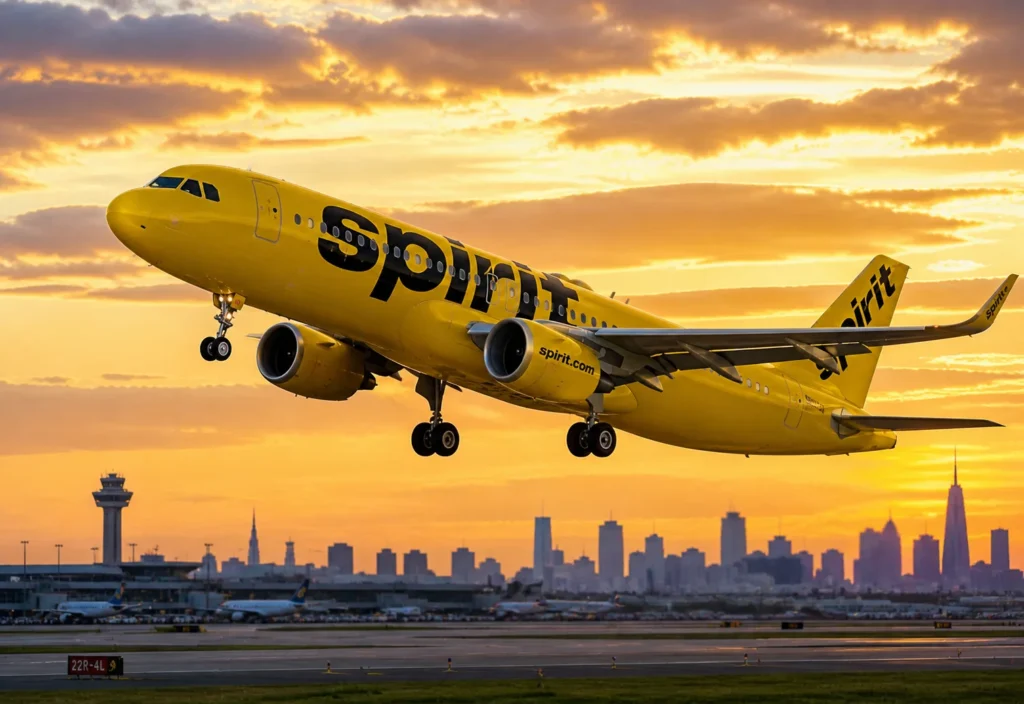
A growing public movement to revive Spirit Airlines is drawing attention across the tourism and aviation sectors, as a proposal for a community-backed airline model gains traction following the carrier’s recent shutdown. The development comes at a time when global tourism is closely tied to affordable air travel, particularly in domestic and regional markets.
The airline, which operated for more than three decades, ceased operations after facing mounting financial pressures, including rising operational costs and shifting market conditions. According to official aviation and economic assessments, increasing fuel prices and cost challenges have significantly impacted low-cost carriers, many of which play a crucial role in supporting tourism accessibility.
In response to the shutdown, a grassroots initiative has emerged proposing a “people-owned” airline model. The concept involves public participation through voluntary pledges to support the potential acquisition and relaunch of the airline. While still in early stages, the idea has generated widespread interest, reflecting the importance of low-cost aviation in the broader tourism ecosystem.
Low-cost carriers like Spirit Airlines have historically contributed to tourism growth by making air travel more affordable. Government tourism strategies often emphasize the importance of budget airlines in increasing travel frequency, opening new destinations, and supporting regional economies. The absence of such carriers can lead to reduced connectivity and higher travel costs, affecting both domestic tourism and international visitor flows.
The proposed revival plan aims to reintroduce a budget-friendly airline that prioritizes accessibility and affordability. Supporters of the initiative argue that aviation is a critical public service, especially in countries with vast domestic travel networks. By encouraging public participation, the concept seeks to align airline operations with passenger needs and travel demand.
However, aviation authorities and regulatory frameworks require strict compliance for any airline operation. Establishing or relaunching an airline involves extensive approvals, including safety certifications, financial viability assessments, and operational readiness checks. Government aviation bodies typically oversee these processes to ensure that airlines meet international safety and service standards.
The tourism industry is closely monitoring the situation, as the return of a major low-cost carrier could influence travel trends. Budget airlines often stimulate demand by offering competitive pricing, which encourages more people to travel. This, in turn, benefits hotels, local businesses, and tourism service providers.
Official tourism data consistently highlights the role of affordable air travel in boosting visitor numbers. Destinations that are well-connected through low-cost carriers tend to see higher tourist arrivals, particularly from price-sensitive travelers. The potential revival of Spirit Airlines could therefore have a positive impact on tourism recovery and growth.
The initiative also reflects a broader trend of innovation within the aviation sector. Airlines and stakeholders are exploring new business models to address changing economic conditions and traveler expectations. While traditional ownership structures dominate the industry, alternative approaches are being discussed as part of long-term sustainability strategies.
Despite the enthusiasm surrounding the proposal, experts note that significant challenges remain. Raising the required capital, securing regulatory approvals, and rebuilding operational infrastructure are complex tasks. Additionally, the aviation industry is highly competitive, with established carriers already adapting to changing market dynamics.
Government statements on aviation policy emphasize the importance of maintaining stable and reliable air services. Any new or revived airline must demonstrate its ability to operate safely and sustainably over time. This includes having a clear business plan, experienced management, and adequate financial resources.
For travelers, the potential return of a budget airline could mean more options and lower fares. Affordable flights are a key driver of tourism, enabling more people to explore destinations for leisure, business, and cultural exchange. The availability of low-cost travel options is particularly important in supporting domestic tourism initiatives promoted by government agencies.
The closure of Spirit Airlines has also highlighted the vulnerability of airlines to external factors such as fuel price volatility and economic shifts. Aviation authorities continue to monitor these challenges and work with industry stakeholders to ensure stability in air transport services.
As the public-backed revival effort evolves, it will need to align with established aviation regulations and industry standards. Collaboration with financial institutions, aviation experts, and regulatory bodies will be essential to determine whether the concept can move beyond the proposal stage.
From a tourism perspective, the situation underscores the interconnected nature of aviation and travel. Airlines serve as the backbone of tourism, enabling mobility and connecting destinations worldwide. Changes in airline operations can have a direct impact on travel patterns, pricing, and overall tourism growth.
While the outcome of the Spirit Airlines revival initiative remains uncertain, it has already sparked important discussions about the future of aviation and the role of public participation in essential services. For the tourism industry, the possibility of restoring a key low-cost carrier represents both an opportunity and a challenge in adapting to a rapidly changing travel landscape.
As global tourism continues to recover and evolve, innovative ideas such as this highlight the ongoing efforts to make travel more accessible and sustainable. Whether through traditional models or new approaches, the goal remains the same: to connect people, destinations, and experiences in a way that supports economic growth and cultural exchange.