Alaska Airlines leads the supplied US airline rankings for 2026, while JetBlue’s operational figures highlight challenges for time-sensitive travellers. The comparison examines punctuality, cancellations, baggage handling and other factors that influence domestic holidays and international connections.
However, the results represent a weighted analysis rather than an official government league table. Most operational figures cover July 2026, while some entries use older or incomplete information.
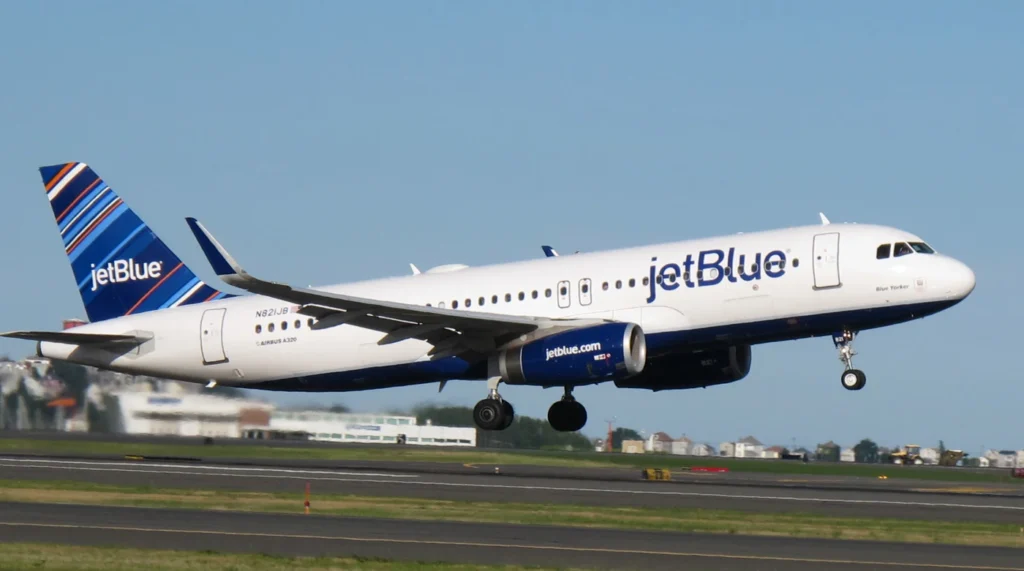
Alaska recorded a reported 74.8% on-time arrival rate and 0.8% cancellation rate during July. JetBlue’s corresponding figures were 55.7% and 9.8%, the weakest results among carriers with comparable monthly figures.
For tourism, those differences matter when passengers coordinate flights with hotels, cruises, tours and onward transport. Nevertheless, airline-wide statistics cannot predict an individual journey.
Alaska Leads United and Delta
Alaska takes first place through a combination of punctuality, relatively few cancellations and network coverage. The supplied analysis lists 108 airports and a 0.48% mishandled-baggage rate.
Its figures include Hawaiian operations within Alaska’s reporting, an important distinction when interpreting the separate Hawaiian entry.
United ranks second, recording 72.2% on-time arrivals and 2.7% cancellations. Its listed network covered 236 airports, the largest total in the comparison.
However, United’s reported baggage mishandling rate reached 0.80%, the highest among the airlines with comparable figures.
Delta places third with 71.7% punctuality, 3.3% cancellations and a 0.42% baggage mishandling rate. Its network included 211 airports.
These carriers offer extensive destination access, although their individual operational strengths differ. Travellers therefore need to consider schedule convenience alongside the overall ranking.
Allegiant and Southwest Show Operational Strengths
Allegiant ranks fourth, supported by the comparison’s lowest reported cancellation and baggage mishandling rates.
The airline recorded 68.6% on-time arrivals, 0.5% cancellations and 0.12% baggage mishandling. Its listed network covered 120 airports.
For leisure travellers, those results make Allegiant relevant when its destinations and departure days match holiday plans. Flight frequency remains important when assessing alternatives after disruption.
Southwest takes fifth place with 68.0% punctuality and 1.1% cancellations. Its baggage mishandling rate stood at 0.35%.
The supplied figures cover more than 124,000 Southwest flights during July and a network of 106 airports.
Both airlines demonstrate why passengers should examine individual measures. A carrier can perform favourably on cancellations or baggage without leading punctuality.
American, Frontier and JetBlue Face Trade-Offs
American ranks sixth, combining extensive destination coverage with weaker baggage results. Its listed network reached 233 airports, close to United’s total.
American recorded 68.0% on-time arrivals, 3.2% cancellations and a 0.74% baggage mishandling rate.
Frontier places seventh with 62.5% punctuality, 3.4% cancellations and 0.54% baggage mishandling across a listed 79-airport network.
JetBlue ranks eighth. Its 9.8% cancellation rate creates particular concern for travellers with fixed arrival commitments.
However, JetBlue’s baggage mishandling figure was 0.46%, below the figures listed for United, American and Frontier.
The contrast illustrates the ranking’s central trade-off: onboard comfort, destination choice and operational dependability do not always align.
Hawaiian and Spirit Require Separate Context
Hawaiian appears ninth, but its historical figures do not provide a direct comparison with July 2026 results.
The supplied analysis cites 83.6% punctuality and approximately 0.5% cancellations from December 2024. Its current operations also sit within Alaska’s figures.
Consequently, Hawaiian’s entry functions as a legacy profile rather than an independent contemporary score.
Spirit ranks tenth using incomplete information. Its cited 62.8% on-time rate covers February, while other measures include estimates and older data.
These differences weaken comparisons across the full ten-airline list. Travellers should avoid treating every position as equally supported.
Ranking Methodology Shapes the Results
Punctuality carries the largest weighting at 20%. Safety, cancellations and financial strength each account for 15%.
Baggage handling, complaints and network size each contribute 10%, while customer satisfaction represents the remaining 5%.
However, the analysis does not provide complete airline scores. Readers therefore cannot independently reproduce the final order from the published weights.
Financial strength and service assessments also measure different qualities from monthly operational performance. The overall positions require that context.
Tourism Planning Extends Beyond the League Table
For travellers, the practical value lies in identifying questions before booking. Route frequency, connection times and total fares deserve close attention.
Passengers joining cruises or scheduled tours should consider arrival flexibility. Hotels and transport providers may also face changes when flights arrive late.
Baggage and seat charges can alter the value of an advertised fare. Rebooking conditions can influence recovery after cancellations.
Ultimately, Alaska leads this supplied comparison, while JetBlue presents the clearest July reliability concern. Choosing a flight still requires matching current schedules with the specific journey.
For more travel news like this, keep reading Global Travel Wire