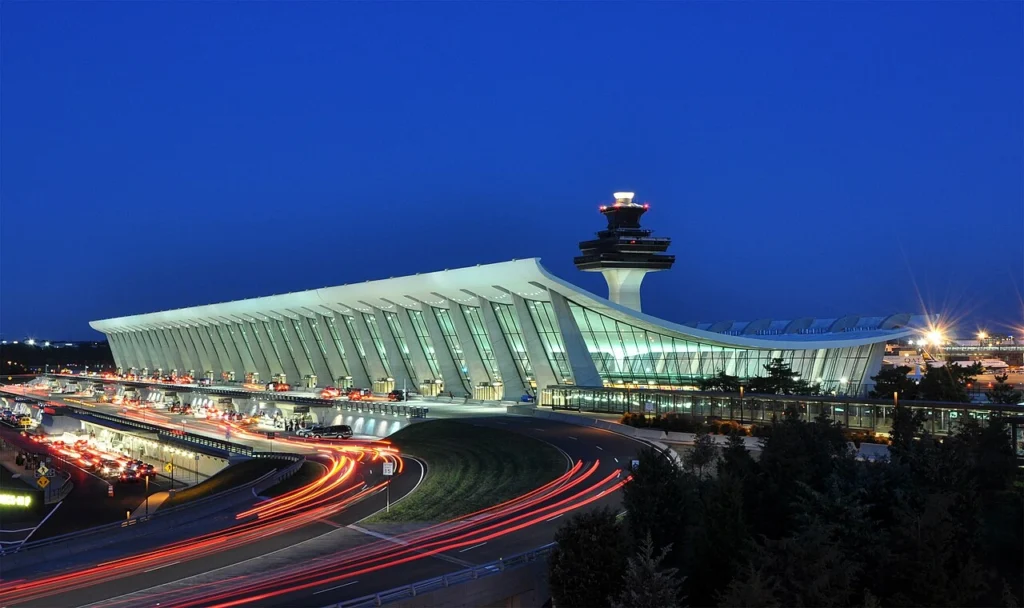
Passengers at Washington Dulles International Airport faced widespread travel disruption after 77 flights were delayed and 25 were canceled, affecting domestic routes across the United States and international connections linking the airport with Europe, Africa, Asia, Canada and the Caribbean.
The disruption involved multiple carriers, including United Airlines, Delta Air Lines, Lufthansa, PSA Airlines, Ethiopian Airlines, EgyptAir and regional operators serving the Washington, D.C., area. Travelers reported extended waiting times, missed connections and uncertainty as airlines adjusted schedules and worked to accommodate affected passengers.
The interruption came as severe weather affected parts of the central and eastern United States. Thunderstorms, strong winds, lightning and localized flooding risks created difficult operating conditions across several regions. However, not every cancellation or delay can be attributed to a single cause. Airline-specific operational pressures, aircraft positioning, crew availability and knock-on disruption from other airports may also influence schedules.
US Routes Face Widespread Disruption
Domestic routes involving New York, Philadelphia, Columbus, Dallas, Boston, Charlotte and San Francisco were among those affected. Travelers arriving from or departing for major connecting airports faced additional pressure as delays spread through the wider aviation network.
Flights linked to New York LaGuardia, John Glenn Columbus International Airport and Dallas Fort Worth International Airport experienced notable disruption. Other domestic routes involving Raleigh-Durham, Indianapolis, Myrtle Beach and Sacramento also faced delays or cancellations.
For passengers traveling through Dulles, even a limited delay can create significant consequences. Travelers with short connection windows may miss onward flights, while families and business passengers can face extended waits before securing a replacement service. Ground transport bookings, hotel check-ins, rental-car reservations and scheduled meetings can also be affected when arrival times change at short notice.
International Connections Also Feel the Impact
The disruption extended beyond the United States. Flights involving Germany, Ethiopia, Egypt, Japan, Canada, Portugal, Iceland, Belgium and the Dominican Republic were among those affected by schedule changes.
Routes connected with Frankfurt, Munich, Addis Ababa, Cairo, Tokyo Haneda and Punta Cana faced delays, adding uncertainty for passengers traveling on long-haul itineraries. International travelers can face greater challenges than domestic passengers because missed connections may require overnight accommodation, new transit arrangements or revised entry plans.
Washington Dulles serves as an important international gateway for the US capital region. Its global network supports tourism, diplomatic travel, business activity and visits between friends and relatives. When disruptions affect long-haul flights, the impact can extend to hotels, airport transportation providers, tour operators and other hospitality businesses.
Severe Weather Adds Pressure to Airport Operations
Thunderstorms can slow airport ground operations and reduce the pace of arrivals and departures. Lightning may temporarily limit ramp activity, while strong winds and poor visibility can complicate aircraft movements. Weather conditions at other airports can also affect flights scheduled to arrive at Dulles, creating delays even when local conditions improve.
Regional disruption can quickly spread through an airline network. Aircraft may arrive late from another city, crews may reach duty-time limits and passengers may need to be moved onto later services. These ripple effects can continue after the most severe weather has passed.
Travelers should avoid assuming that every delayed flight will depart at the revised time shown initially. Schedules can change repeatedly as airlines manage aircraft availability and air traffic flow.
What Passengers Should Do Now
Passengers scheduled to travel through Washington Dulles should confirm their flight status directly with their airline before leaving for the airport. Airline apps, email alerts, text notifications and airport departure boards can provide updated information.
Travelers should also review rebooking options promptly. Passengers with urgent plans may wish to ask about alternative flights, including services from nearby Ronald Reagan Washington National Airport or Baltimore/Washington International Thurgood Marshall Airport when practical.
For canceled flights or significant schedule changes, passengers who decide not to continue with the revised itinerary may be eligible for a refund. Travelers should review airline policies before booking replacement transport independently and ask whether meals, accommodation or other assistance are available during prolonged delays.
International passengers should pay particular attention to transit requirements, overnight stays and onward connections. Travel insurance policies may also provide support for eligible expenses caused by delays or cancellations.
Dulles Disruption Highlights Aviation Network Vulnerability
The 77 delays and 25 cancellations at Washington Dulles show how quickly severe weather and operational pressure can affect a major airport. As airlines work to stabilize schedules, passengers should remain flexible, monitor updates closely and prepare for possible changes across domestic and international journeys.
For more travel news like this, keep reading Global Travel Wire