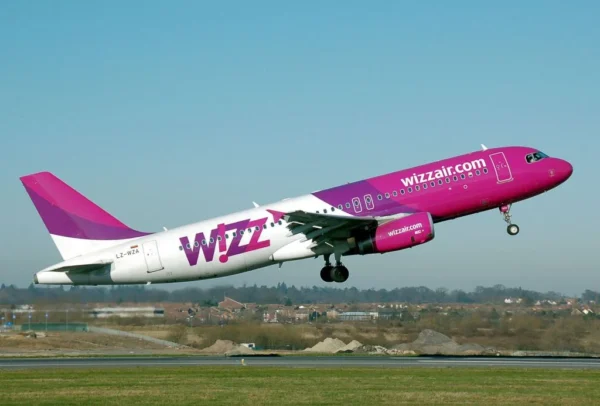
Wizz Air’s 2026 expansion is widening travel options across Italy, Spain and Greece through additional aircraft, new routes and regional connections. The developments give holidaymakers more opportunities to reach Mediterranean destinations while creating potential business for hotels, attractions and local transport providers.
Italy features prominently through a new Turin base and expansion at Venice Marco Polo Airport. Meanwhile, additional Spanish connections and a Tirana–Kalamata route feature in the wider network developments.
The changes strengthen access to established holiday markets and regional destinations. However, additional seats represent available capacity, while bookings and visitor spending will determine the eventual tourism benefits.
Turin Strengthens Northern Italy Connections
Turin Airport’s expansion announcement outlined a two-aircraft Wizz Air base, with deployment dates of 14 September and 25 October 2026. The development forms part of the carrier’s investment in its Italian network.
The airport identified the operation as Wizz Air’s seventh Italian base. Its plans included domestic and international connections, providing additional options for passengers travelling through Piedmont.
For tourism businesses, stronger air access creates opportunities to package accommodation, cultural visits and regional excursions. Travellers can also compare Turin with other arrival points when planning northern Italian holidays.
Nevertheless, the commercial results will depend on demand, fares and dependable schedules. A base announcement alone cannot establish increased hotel occupancy or additional spending throughout the region.
Venice Adds Spanish Holiday Routes
Venice Marco Polo Airport announced a fourth based Airbus A321neo alongside five additional destinations. The expansion connects the Italian city with more Spanish holiday markets while strengthening domestic travel options.
The announced Spanish routes include Bilbao, Malaga, Alicante and Seville, with September 2026 launch dates. A Venice–Naples connection carries a planned start date of 1 December 2026.
The Spanish destinations broaden the range of city and coastal holidays available from Venice. Meanwhile, the Naples service remains a future addition rather than an operation already underway. veneziaairport.it
These connections could also support inbound tourism to Venice and surrounding destinations. Hotels and tour operators can develop packages around suitable flight dates, subject to confirmed availability.
Spain Gains Broader Visitor Access
The Spanish connections cover destinations with different tourism profiles, giving travellers alternatives beyond a single beach market. Bilbao supports cultural itineraries, while Malaga and Alicante provide gateways for coastal holidays.
Seville adds another option for travellers seeking urban heritage and cultural experiences. Together, the destinations create scope for varied itineraries between Italian and Spanish markets.
However, additional flights do not guarantee cheaper holidays. Travellers must compare accommodation, airport transfers and baggage charges alongside the advertised ticket price.
For hospitality businesses, the opportunity involves converting improved access into reservations. Seasonal schedules and departure frequencies will influence whether routes support weekend breaks, longer holidays or repeat visits.
Kalamata Brings Greece Into Focus
The supplied expansion plans also identify a Tirana–Kalamata connection, extending Wizz Air’s reach into the Peloponnese. The route adds a regional Greek destination to the broader Mediterranean growth story.
For travellers, Kalamata offers another arrival point when considering a holiday in southern Greece. Tourism operators can assess opportunities to combine accommodation with cultural experiences and regional excursions.
However, passengers should confirm current operating dates before committing to other bookings. An announced connection does not establish year-round availability or guarantee convenient flights throughout every travel period.
Likewise, regional tourism benefits require evidence of actual arrivals and spending. More access creates an opportunity, while local businesses must still attract and serve visitors.
Tourism Businesses Look Beyond Seat Numbers
Additional flights can help hotels, restaurants, guides and transport companies reach new customer markets. Nevertheless, tourism performance depends on more than the number of seats airlines advertise.
Arrival times, service frequency and the length of the operating season influence how visitors plan their stays. Ground transport and accommodation availability also shape the overall experience.
Consequently, destination businesses should align packages with confirmed schedules and realistic transfer times. Monitoring bookings will provide stronger evidence of commercial benefits than capacity announcements alone.
Travellers Should Compare Total Costs
Passengers considering the expanded network should check departure airports, travel dates and return availability before paying. They should also review baggage allowances, seat charges, amendment fees and refund conditions.
Separate onward bookings require particular care because disruption can affect independently arranged journeys. Allowing sufficient transfer time can reduce complications involving flights, hotels and activities.
Wizz Air’s expansion gives Mediterranean travellers more routes to consider. Reliable operations, suitable schedules and competitive total costs will determine how effectively those choices support tourism across Italy, Spain and Greece.
For more travel news like this, keep reading Global Travel Wire