Travelers planning holidays in Amsterdam face a more carefully managed tourism environment as the Netherlands capital continues to balance international visitor demand with housing pressure, crowded public spaces and residents’ quality of life.
Visitors from Germany, France, Spain, the United States, Mexico, South Africa, Thailand and other global markets remain welcome in Amsterdam. However, travelers should budget more carefully, choose accommodation responsibly and understand local rules before arrival.
Amsterdam currently applies a tourist tax of 12.5 percent of the overnight accommodation price, excluding value-added tax. The city also charges a day tourist tax of €15 per cruise passenger. These costs make early budgeting increasingly important for travelers planning hotels, hostels, apartments, short stays or cruise visits.
The current overnight tax is not 20 percent. Travelers should rely on the latest official city information when calculating costs and avoid assuming that proposed or speculative future rates already apply.
Higher Accommodation Costs Affect International Visitors
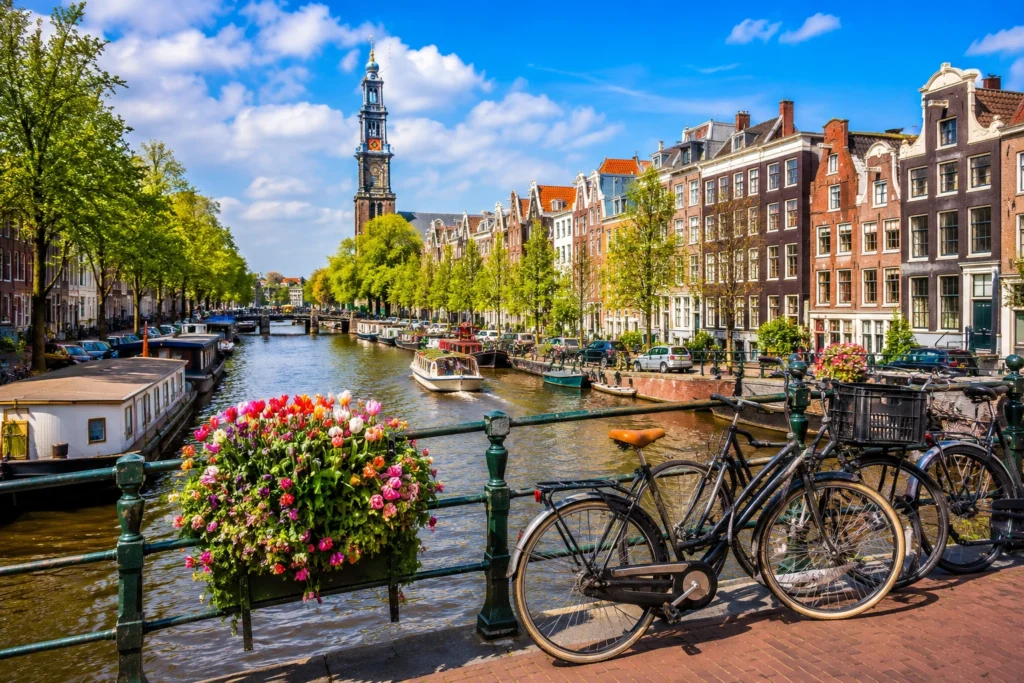
Amsterdam remains one of Europe’s most popular city-break destinations, attracting travelers with its canals, museums, historic architecture, cycling culture, restaurants and nightlife.
However, accommodation costs can add up quickly. The tourist tax is calculated as a percentage of the overnight price, meaning visitors booking more expensive hotels or longer stays will pay more. Travelers should factor the charge into their total trip cost before confirming a reservation.
This is especially relevant for weekend visitors arriving from nearby countries such as Germany, France, Belgium and Spain. Long-haul travelers from the United States, Mexico, South Africa and Thailand may also need to account for the additional expense when planning multi-city European itineraries.
For hotels, hostels and licensed accommodation providers, the tax creates a need for clear communication during the booking process. Visitors should check whether the displayed rate already includes local charges or whether payment will be collected separately.
Cruise Passengers Face €15 Day Tourist Tax
Cruise tourism is also part of Amsterdam’s wider visitor-management strategy. The city charges a €15 day tourist tax per cruise passenger, adding another consideration for travelers arriving on ocean or river itineraries.
The charge affects passengers whose ships include Amsterdam as a port call and may influence the overall cost of European cruise holidays. Travelers should review cruise-line information before departure to understand whether the fee is included in their booking or handled separately.
Amsterdam’s approach reflects growing pressure on major European destinations to manage short, high-volume visitor flows. Cruise passengers often arrive in concentrated groups, increasing demand for transport, walking routes, museums, restaurants and attractions within a limited period.
For tourism businesses, the challenge is to preserve the economic benefits of cruise arrivals while reducing congestion in heavily visited areas.
Short-Stay Accommodation Rules Support Housing Goals
Amsterdam also regulates holiday rentals as part of its broader housing strategy. Travelers using apartments or short-stay accommodation should confirm that their booking complies with local requirements.
The city’s focus is not only tourism revenue. It is also protecting residential neighborhoods from excessive visitor pressure and preventing homes from being removed from the long-term housing market.
Visitors should book through reliable accommodation providers, verify reservation conditions and avoid unofficial offers that may not meet local rules. A lower-priced listing can create problems if it does not comply with city requirements.
These measures affect the traveler experience by encouraging earlier bookings and reducing the availability of informal accommodation in high-demand areas.
Behaviour Rules Target Nuisance Tourism
Amsterdam has also taken a firmer approach to disruptive visitor behavior, particularly in busy nightlife areas and the historic center.
Travelers should respect local residents, avoid excessive noise and follow rules covering alcohol consumption, public behavior and crowded streets. The city’s message is clear: visitors are welcome, but tourism must not reduce the quality of life for people who live and work in Amsterdam.
This shift is particularly relevant for groups planning nightlife-focused weekend trips. Travelers should treat Amsterdam as a living city rather than an unrestricted entertainment zone.
Museums, Canals and Neighborhoods Remain Major Draws
Despite tighter rules, Amsterdam remains a major international tourism destination. Visitors can explore renowned museums, canal-side architecture, parks, markets and neighborhoods beyond the busiest central streets.
Travelers can improve their experience by booking attractions in advance, visiting outside peak hours and exploring areas beyond the most crowded hotspots. Spreading visitor activity more evenly can also support restaurants, shops and cultural venues across the wider city.
Amsterdam Signals a More Sustainable Tourism Model
Amsterdam’s tourism strategy reflects a broader European debate about overtourism, housing availability and responsible travel.
The city is not closing its doors to visitors. Instead, it is asking travelers to plan carefully, budget realistically and respect local rules.
For international tourists, the message is straightforward: Amsterdam remains open, culturally rich and highly accessible, but a successful visit now requires more preparation and a stronger awareness of the city’s effort to protect both residents and the visitor experience.
For more travel news like this, keep reading Global Travel Wire