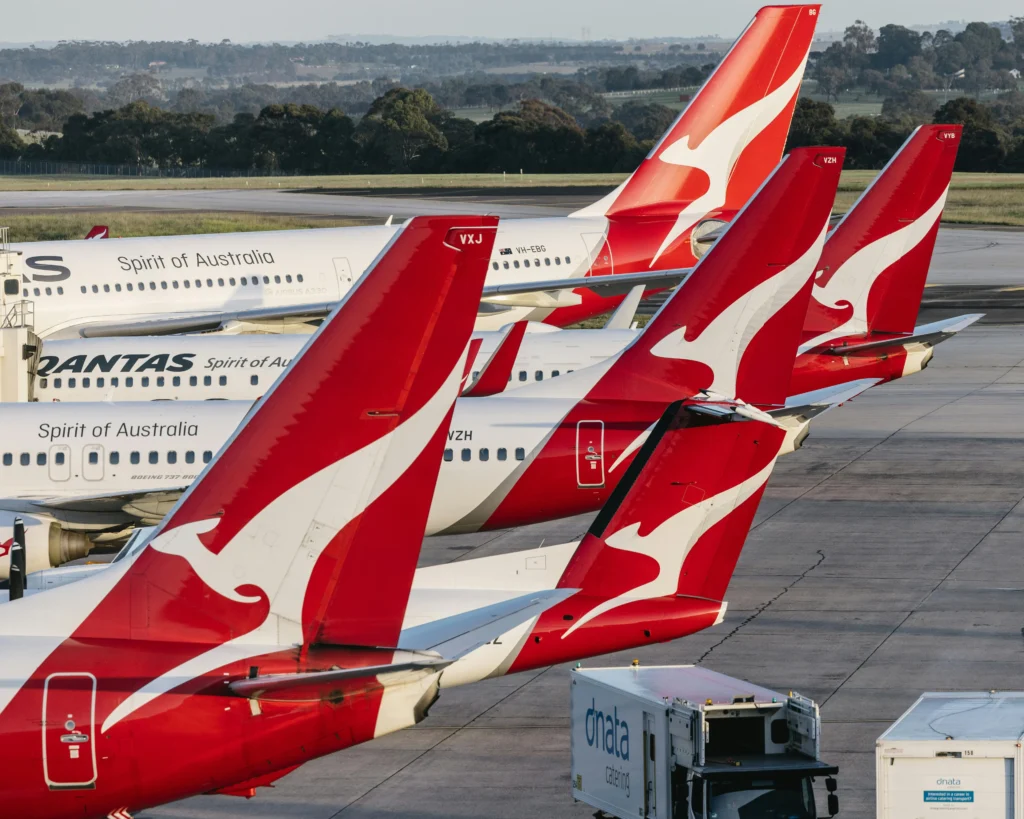
Australia’s international aviation market is facing a major shift in 2026 as several leading Asian airlines reduce flights to key Australian cities. Capacity cuts affecting Sydney, Melbourne, Brisbane, and Perth are expected to influence airfare trends, route availability, and tourism flows during one of the most important travel periods of the year.
The changes come as airlines respond to higher fuel costs, operational pressures, and route profitability concerns. For travelers and tourism businesses, the result is a more competitive market with fewer seats on some routes and rising importance placed on planning ahead.
As one of the world’s most popular long-haul destinations, Australia relies heavily on international air connectivity. Any significant adjustment in airline schedules can have direct effects on visitor arrivals, hotel demand, and tourism spending across the country.
Why Australia Flights Matter to Tourism
Australia’s geographic location makes aviation essential to its visitor economy. Unlike destinations connected by rail or road, international travelers depend almost entirely on flights to reach the country.
Strong airline networks support tourism by bringing visitors from Asia, Europe, North America, and the Pacific into major gateways such as Sydney, Melbourne, Brisbane, Perth, and Adelaide.
These travelers contribute to:
- Hotel occupancy
- Retail spending
- Attractions and tours
- Restaurant demand
- Business events
- Domestic connecting travel
- Regional tourism growth
When international flight capacity changes, the impact can be felt across the wider tourism ecosystem.
Major Asian Airlines Adjust Schedules
Several carriers across Asia have reduced services to Australia in recent months, creating a noticeable change in available seat capacity.
Airlines from mainland China, Hong Kong, Malaysia, Singapore, Vietnam, New Zealand, and the Pacific have all announced schedule adjustments or temporary reductions on selected routes.
These decisions reflect broader aviation realities rather than a lack of interest in Australia as a destination. Airlines are balancing operating costs, aircraft deployment, and profitability while demand patterns continue to evolve.
Even moderate reductions by multiple carriers can significantly reshape the market when combined.
Rising Fuel Costs Pressure Airline Economics
Fuel remains one of the largest expenses for airlines, particularly on medium and long-haul international routes. When fuel prices rise sharply, airlines must either absorb higher costs or adjust operations.
Common responses include:
- Reducing lower-performing frequencies
- Consolidating schedules
- Raising fares
- Shifting aircraft to stronger routes
- Delaying planned expansion
This is why route reductions often happen quickly during periods of cost volatility.
For travelers, it can mean higher fares and fewer direct options. For tourism destinations, it reinforces the importance of diversified airline partnerships.
Impact on Key Australian Cities
Australia’s major gateways are likely to feel the changes differently depending on their airline mix and source markets.
Sydney
As the country’s busiest international gateway, Sydney may continue to see strong demand but tighter seat availability on some Asia routes.
Melbourne
A major market for education, leisure, and business travel, Melbourne could experience increased competition for remaining capacity.
Brisbane
With strong leisure appeal and gateway access to Queensland tourism, Brisbane remains strategically important despite selected reductions.
Perth
Its position as a western gateway to Asia gives Perth unique importance, making route changes especially significant.
Adelaide
Selective aircraft upgrades and targeted growth suggest opportunities remain for secondary cities with strong demand fundamentals.
What This Means for Travelers
Travelers planning international trips to or from Australia in 2026 may need to be more strategic than in previous years.
Key recommendations include:
- Book earlier for peak periods
- Monitor schedule changes regularly
- Compare nearby departure cities
- Consider connecting itineraries
- Use flexible fares where possible
- Watch for seasonal route returns
Demand for Australia remains strong, so early planning can make a major difference in price and convenience.
For inbound tourists, working with travel advisors may help secure better routing options and smoother itineraries.
Tourism Businesses Must Adapt
Hotels, tour operators, attractions, and destination marketers may need to adjust strategies in response to changing airline capacity.
Possible responses include:
- Targeting markets with stronger connectivity
- Promoting shoulder-season travel
- Building packages with domestic flights
- Expanding local visitor campaigns
- Partnering with remaining airlines
- Focusing on higher-value travelers
Tourism resilience often depends on agility. Destinations that adapt quickly can still perform strongly even when air capacity shifts.
Positive Signs Still Remain
Despite reductions, the broader outlook is not entirely negative. Some airlines continue to invest selectively in stronger routes, upgrade aircraft, or signal future growth later in the year.
This suggests the market is recalibrating rather than collapsing.
Australia remains highly attractive for international visitors thanks to its beaches, wildlife, cities, luxury travel, road trips, and major events. Long-term demand fundamentals remain strong, especially from Asia-Pacific markets.
As conditions stabilize, airlines may restore frequencies or introduce new opportunities where demand justifies expansion.
Domestic Tourism Could Benefit
When international capacity tightens, domestic tourism sometimes gains momentum as residents choose local holidays instead of overseas trips.
Australia’s domestic travel market remains one of the strongest in the world, supported by diverse landscapes and year-round experiences such as:
- Coastal escapes
- Outback adventures
- Food and wine regions
- Nature tourism
- City breaks
- Family holidays
- Indigenous cultural experiences
This can help offset some pressure from international fluctuations.
What to Watch Next in 2026
Several factors will shape the next phase of Australia’s aviation and tourism market:
- Fuel price movements
- Seasonal demand trends
- Airline profitability
- Route restoration announcements
- New aircraft deployment
- Visitor demand from Asia
- Exchange rate conditions
If operating costs improve, additional capacity may return faster than expected.
A New Phase for Australia Tourism
The reduction in Australia flights by major carriers marks an important moment for the travel industry, but it also highlights the resilience of the tourism sector.
Australia has repeatedly shown the ability to adapt to changing aviation conditions through strong destination appeal, domestic demand, and diversified visitor markets.
For travelers, planning ahead will be essential. For tourism businesses, flexibility and market focus will matter more than ever.
While the skies may be more competitive in 2026, Australia tourism remains firmly on the global travel map.