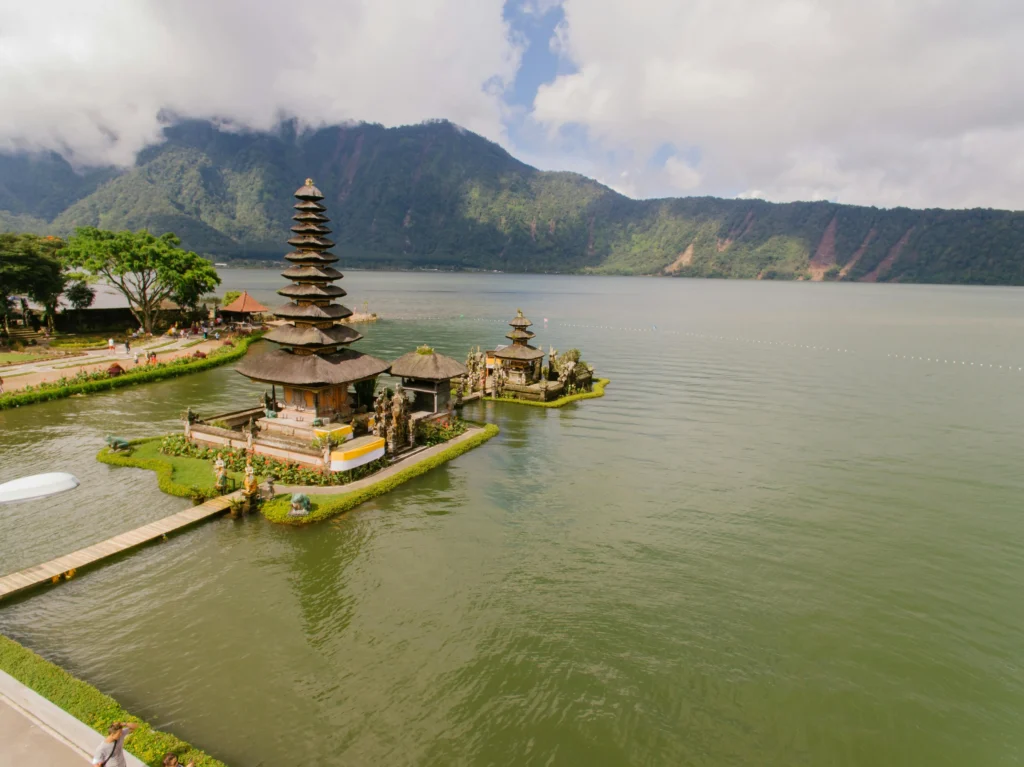
The Indonesian province of Bali has officially entered a new era of administrative oversight as immigration authorities launch the “Dharma Dewata” operation, a high-intensity patrol task force designed to safeguard the integrity of the island’s tourism sector. As of May 15, 2026, the Bali Regional Office of the Ministry of Law and Human Rights has viscerally intensified its scrutiny of international visitors, specifically targeting those utilizing standard tourist visas for activities that carry “economic value.” This strategic crackdown marks a world-class milestone in Indonesia’s push for “quality tourism,” shifting the focus from uncontrolled volume to lawful, high-performance residency.
The official directive clarifies that the Visa on Arrival (VOA) and the C1 tourist visa are intended strictly for leisure, sightseeing, and cultural exploration. However, a soul-crushing reality is setting in for digital nomads, wellness practitioners, and social media influencers who have long operated in a regulatory grey area. Under the new enforcement framework, any activity that provides business value—including unpaid collaborations, portfolio-building, and barter-based promotions—is now subject to strict immigration scrutiny.
Redefining Economic Value: The End of “Free Work for Exposure”
A primary catalyst for this Bali tourist visa crackdown is the evolving interpretation of what constitutes “work.” Official government announcements have made it clear that direct monetary payment is no longer the sole metric for identifying unauthorized employment. Indonesian immigration authorities are now examining the “purpose of stay” and the “type of activity” to determine if a visitor is generating economic benefit.
This includes social media creators who accept free hotel stays, cafe meals, or wellness retreats in exchange for Instagram Reels or brand endorsements. According to official ministry statements, these “barter deals” carry inherent economic value and are therefore viewed as commercial work. Professional photo shoots, videography services, and even project-based volunteer work are now under high-intensity scrutiny. For the global creative community, this shift necessitates a visceral re-evaluation of how they engage with the island’s luxury landscape.
Targeted Hotspots: From Canggu Cafes to Ubud Retreats
The Dharma Dewata Patrol Task Force has focused its efforts on known foreigner hotspots where the “laptop lifestyle” and wellness culture are most prevalent. Official reports confirm that intensive inspections are being conducted in Canggu, Ubud, Seminyak, Kerobokan, and Uluwatu. In the first three weeks of the operation alone, authorities detained 62 foreign nationals for various immigration violations, including the misuse of residence permits and engagement in unlicensed business activities.
For wellness practitioners and workshop leaders, the heartbeat of the spiritual tourism sector is being viscerally synchronized with professional licensing requirements. Hosting a yoga retreat or conducting a paid workshop on a visitor visa is now classified as a major violation. The Directorate General of Immigration emphasizes that only foreigners who respect local laws and contribute positively to the region’s economy are permitted to stay. This move is designed to protect the local labor market and ensure that professional services on the island are provided by authorized individuals.
Legal Pathways: Navigating the 2026 Visa Landscape
To maintain the high-performance integrity of their travel plans, international visitors are viscerally urged to align their visa category with their actual daily activities. For those engaging in business meetings, professional collaborations, or creative projects, the standard tourist visa is no longer sufficient. Official tourism board releases recommend several alternative permits that offer a secure path for non-leisure tasks:
Business Visa (B211A): Designed for those attending meetings, conducting market research, or participating in professional collaborations.
Remote Worker Visa (E33G): Specifically tailored for digital nomads working for overseas clients while residing in Indonesia.
Artist and Performer Visa: Required for DJs, musicians, and creators engaging in public performances or commercial shoots.
Volunteer and Investment Visas: Necessary for individuals contributing to NGOs or engaging in structured business development.
Consequences of Non-Compliance: A High-Intensity Warning
The soul-crushing consequences of visa abuse in 2026 are more severe than in previous years. Travelers found in violation of Article 75 of the Immigration Law face a world-class masterpiece of administrative sanctions. These include immediate detention, visa cancellation, and substantial fines. In many cases, violators are subject to deportation and entry bans that can last for several years, with serious or repeat offenders facing potential lifetime bans from the Republic of Indonesia.
Immigration officials have viscerally increased their monitoring of social media accounts to identify unauthorized commercial activity. Posting sponsored content or promoting “work-like” benefits while on a holiday permit is now considered a digital trail that can lead to investigation. The “True Pulse” of a legal stay in Bali now depends on transparency and the proactive acquisition of the correct legal documents before departure.
The Purposeful Adventure: Quality Tourism and Respectful Travel
As the sun sets over the high-performance horizons of Uluwatu, the message from Balinese authorities is one of profound operational wisdom. The 2026 Creative Renaissance on the island is not about exclusion, but about integration and accountability. By enforcing these rules, Bali is protecting its cultural balance and ensuring that the heartbeat of the traveler finally syncs with the pulse of the local community.
For the majority of tourists visiting for temples, beaches, and relaxation, the island remains a world-class sanctuary of hospitality. However, for those looking to build a career or a brand within the tropical hub, the rules of engagement have changed. The purposeful adventure starts with respecting the host nation’s laws, ensuring that every journey to the “Island of the Gods” is as legally secure as it is soul-soothing. Bali is still welcoming the world, but in 2026, it asks that the world respects the permits that come with the stay.
For more travel news like this, keep reading Global Travel Wire