



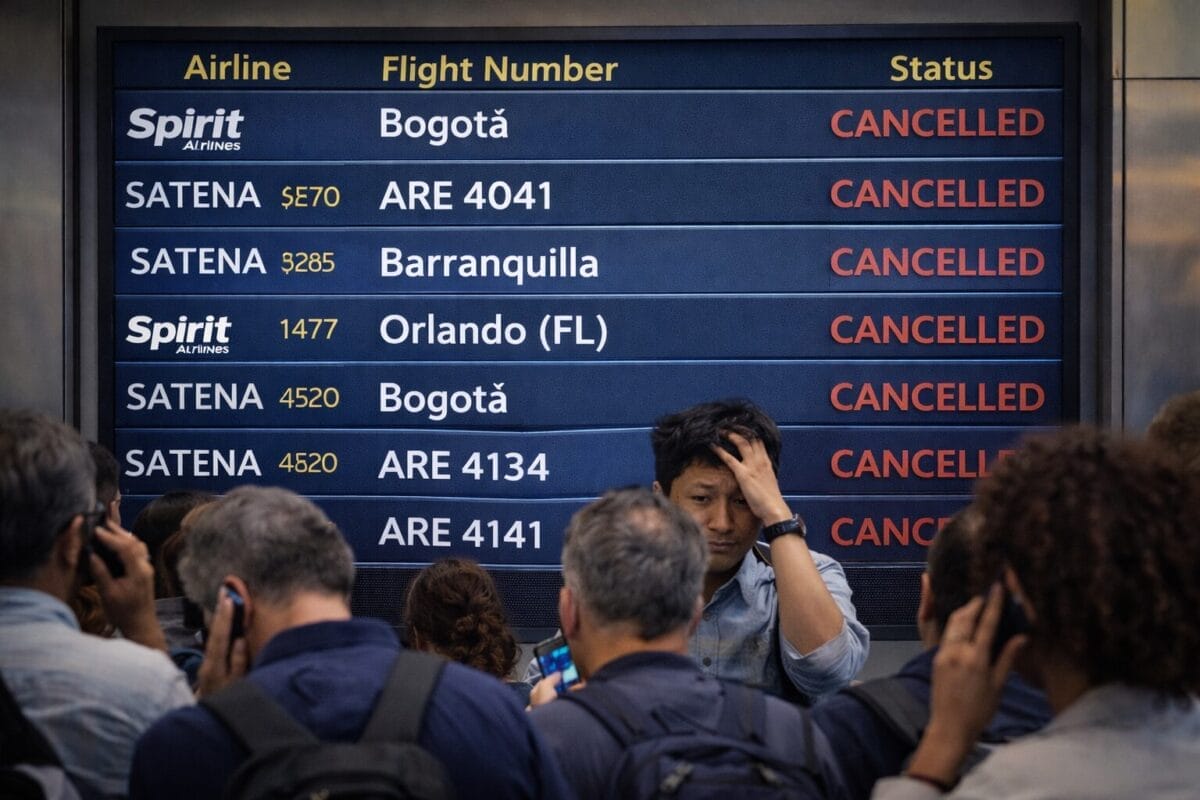

Brazil’s aviation network recently experienced widespread travel disruption after more than twenty flights were cancelled. These cancellations affected both domestic and international routes across several major airports.
Passengers across the country encountered delays, missed connections, and sudden travel changes. Airlines cancelled departures connecting Brazil with global cities such as Doha, Frankfurt, Dubai, and Washington.
Domestic routes linking São Paulo, Brasília, Rio de Janeiro, Porto Alegre, and other cities also faced cancellations. The disruption involved both international and Brazilian airlines operating across the network.
Airlines affected included several major global carriers and domestic operators. The disruption illustrates how interconnected aviation systems can quickly face pressure during operational challenges.
Brazil relies heavily on major hub airports to maintain smooth air travel connections. When disruptions occur at these hubs, the effects spread rapidly across the network.
Major Airlines Affected by Brazil Flight Cancellations
Several international airlines experienced cancellations on long haul routes departing Brazil. These airlines operate key connections between South America and global aviation hubs.
Airlines involved in the disruption included Qatar Airways, Lufthansa, United Airlines, and Emirates. These carriers normally provide direct links between Brazil and Europe, North America, and the Middle East.
Brazilian airlines also faced operational challenges. LATAM Airlines, Gol Linhas Aéreas, and Azul Brazilian Airlines cancelled multiple domestic services.
These airlines dominate Brazil’s domestic aviation market. They operate extensive networks connecting major cities and regional airports.
When flights from these carriers cancel, the impact spreads quickly. Thousands of passengers depend on these connections every day.
The cancellations therefore affected both international travelers and domestic passengers across the country.
São Paulo–Guarulhos Airport Experiences Major Disruptions
São Paulo–Guarulhos International Airport saw several major departures cancelled. This airport serves as Brazil’s largest international gateway.
Multiple international flights scheduled to depart from the airport were removed from airline schedules. These routes normally connect Brazil with key international destinations.
Several long haul services faced cancellation on the same day. Domestic flights departing from the airport also experienced disruptions.
Airlines cancelled routes connecting São Paulo with Brasília and Porto Alegre. These routes normally support both business travel and tourism.
Guarulhos handles millions of passengers each year. Disruptions at this airport therefore affect travelers across Brazil and beyond.
Airlines must quickly reorganize aircraft schedules when cancellations occur. Such changes create additional operational pressure.
Congonhas Airport Faces Domestic Schedule Changes
São Paulo–Congonhas Airport also experienced several flight cancellations. This airport focuses mainly on domestic travel routes.
Congonhas plays a crucial role in Brazil’s business travel network. The airport connects major financial and administrative centers across the country.
Several short haul routes linking São Paulo with Rio de Janeiro and São Luís were cancelled. Airlines also cancelled early morning departures connecting São Paulo and Brasília.
These routes normally carry large numbers of daily passengers. Business travelers rely heavily on these connections.
Flight disruptions at Congonhas therefore create immediate travel challenges. Passengers must often rebook alternative flights through other airports.
The airport’s busy schedule leaves limited flexibility for sudden changes.
Brasília Airport Connectivity Impacted by Cancellations
The capital city airport also experienced multiple cancelled departures. Brasília serves as a central hub for Brazil’s domestic aviation system.
Several flights connecting Brasília with São Paulo and Rio de Janeiro were cancelled. Other routes linking the capital with Porto Alegre also faced disruption.
Airlines cancelled both early morning and afternoon departures. This timing affected passengers with connecting flights.
Brasília’s location allows airlines to route flights across multiple regions. When disruptions occur here, several networks may feel the impact.
Passengers traveling through Brasília often connect between northern and southern Brazil. Flight cancellations therefore influence travel across many regions.
Airlines must quickly reassign aircraft and crew during such disruptions.
Rio de Janeiro Airports Experience International and Domestic Disruptions
Rio de Janeiro’s aviation network also experienced several flight cancellations. Both domestic and international routes faced schedule changes.
At Rio de Janeiro–Galeão International Airport, airlines cancelled departures connecting Brazil with international destinations. Some flights scheduled to travel to Washington and Dubai did not operate.
Domestic routes linking Rio with São Paulo and Curitiba also faced cancellation. These routes represent some of Brazil’s busiest travel corridors.
Rio de Janeiro serves as a major tourism gateway for international visitors. The city attracts millions of travelers every year.
Flight disruptions therefore affect both leisure tourism and business travel.
Airlines must coordinate quickly with airport authorities during operational disruptions.
Regional Airports Also Experience Operational Impact
Regional airports also experienced smaller but important disruptions. Campinas–Viracopos International Airport saw a cancelled regional flight.
Regional flights help connect smaller cities with major aviation hubs. These routes allow passengers to reach international flights.
When regional flights cancel, passengers may lose their connecting journeys. This situation often forces travelers to change travel plans.
Smaller airports rely on strong connections with larger hubs. Even a single cancellation can affect regional connectivity.
Regional air travel therefore remains an essential part of Brazil’s aviation system.
Rio–São Paulo Corridor Experiences Multiple Cancellations
One of Brazil’s busiest air routes also experienced disruptions. The Rio–São Paulo corridor normally supports dozens of flights every day.
Airlines cancelled several departures linking Rio de Janeiro’s Santos Dumont Airport with São Paulo–Congonhas Airport. These short haul flights often serve business travelers.
Additional cancellations affected routes connecting Rio with Belo Horizonte. This corridor supports both economic activity and tourism.
Frequent flights usually provide travelers with flexible scheduling options. However, multiple cancellations reduce available seats quickly.
Passengers may need to wait longer for alternative flights.
Flight Disruptions Create Challenges for Airlines and Passengers
Airline cancellations often create complex operational challenges. Airlines must reorganize aircraft schedules and reposition crews quickly.
Passengers must also adjust travel plans when flights cancel. Some travelers face delays, while others miss connecting flights.
Airlines usually offer rebooking options for affected passengers. However, available seats may become limited during widespread disruptions.
Airports also face operational pressure during flight cancellations. Staff must manage passenger assistance and updated schedules.
These disruptions highlight how sensitive aviation networks can be.
Brazil Aviation System Remains Highly Interconnected
Brazil operates one of the largest aviation markets in Latin America. The country depends on hub airports to manage domestic and international travel.
São Paulo, Rio de Janeiro, and Brasília serve as major network centers. Airlines route flights through these hubs to connect regional and global destinations.
When disruptions occur at these airports, the entire network may feel the impact. Even small operational changes can spread quickly.
Despite occasional disruptions, Brazil’s aviation system continues expanding. Airlines and airport authorities continue improving operational resilience.
Travelers across the country now monitor airline updates carefully. Flight information remains essential for navigating unexpected travel changes.
For more travel news like this, keep reading Global Travel Wire