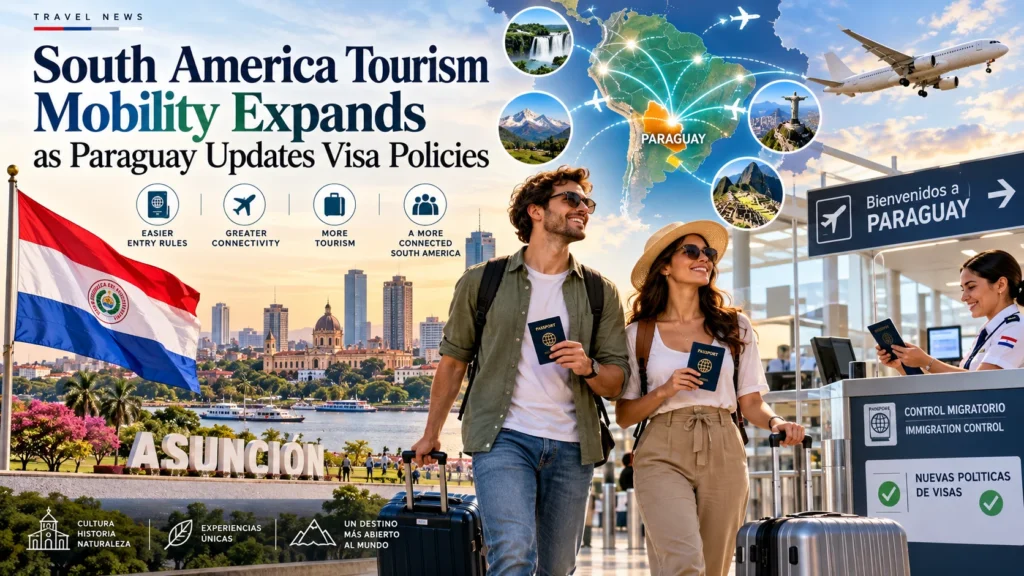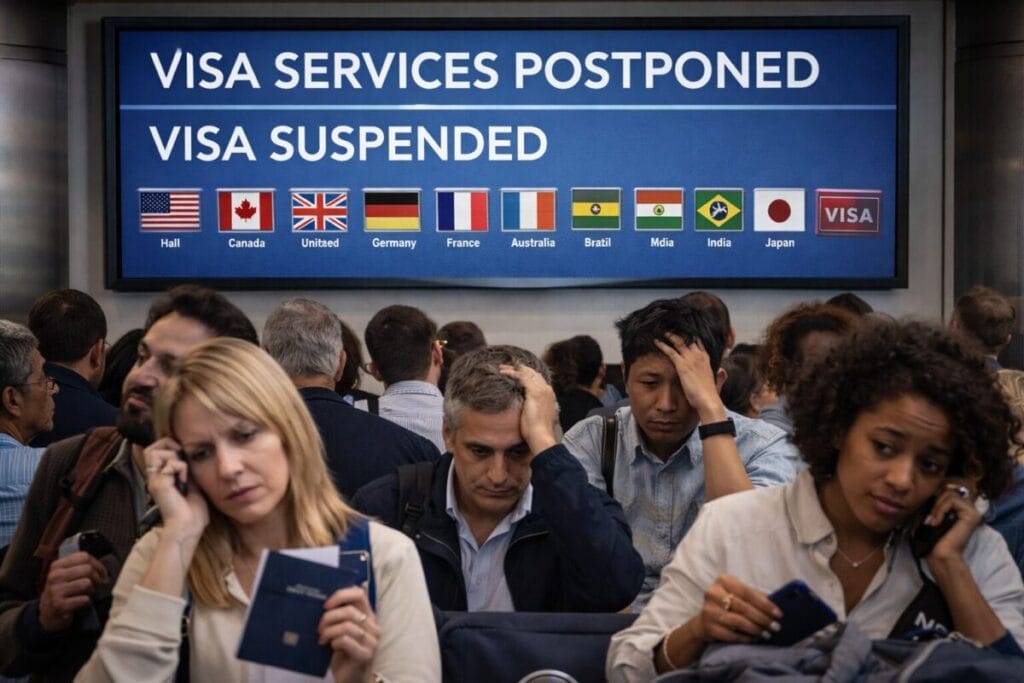
International travelers now face increasing uncertainty due to visa backlogs and immigration delays across several countries. Governments have adjusted visa processing operations as geopolitical tensions affect global mobility.
Many embassies and consulates have reduced routine visa services. Immigration departments have also slowed approval timelines for several visa categories.
Travelers planning tourism, study, or relocation now experience longer waiting periods. These delays affect applicants across Africa, Asia, Europe, and the Americas.
Airline disruptions and diplomatic changes have also complicated international travel planning. Governments continue reviewing security conditions and travel policies.
As a result, visa processing systems across multiple regions now operate under pressure.
Embassies Reduce Visa Processing Capacity
Visa processing depends heavily on stable diplomatic operations and active embassy services. When security concerns increase, embassies often reduce routine operations.
Several diplomatic missions have recently cancelled scheduled visa appointments. Many applicants must now wait longer for new interview dates.
Consular teams in sensitive regions have also reduced staff presence. Security concerns have forced some governments to relocate diplomatic personnel.
Reduced staffing slows the processing of visa applications. Immigration departments require trained officers to review documents and conduct interviews.
Without full staffing levels, processing timelines increase significantly. Applicants often experience delays lasting several weeks or months.
These challenges create large backlogs within visa processing systems.
Immigration Visas Experience Temporary Pauses
Several governments have also paused certain immigration visa programs. These measures aim to review security policies and diplomatic conditions.
Immigration visa categories often require detailed background checks. Authorities review applications carefully during periods of geopolitical instability.
Some applicants now face delays in family reunification visas and employment based immigration programs. Students and skilled workers may also experience longer waiting periods.
Temporary travel visas continue operating in many countries. However, processing times remain longer than usual.
Immigration experts say global visa systems influence international travel patterns. When large countries slow processing, global mobility also slows.
Applicants must now adjust travel plans while waiting for approvals.
Major Immigration Countries Adjust Consular Operations
Several major immigration destinations have adjusted diplomatic operations. Countries across North America, Europe, and Asia have taken precautionary steps.
Immigration authorities sometimes scale back visa interviews during security alerts. These adjustments allow governments to protect diplomatic staff and facilities.
Travel advisories also influence visa processing decisions. Governments monitor security conditions before expanding visa services.
Many countries have introduced temporary operational changes at embassies. These changes may include appointment rescheduling or reduced public access.
Applicants should therefore check embassy announcements regularly. Official updates provide the most accurate information about visa services.
Travel experts encourage travelers to remain flexible during uncertain periods.
Airline Disruptions Affect International Mobility
Air travel disruptions have also intensified global travel challenges. Flight routes depend heavily on open airspace and stable international coordination.
Airspace restrictions can force airlines to cancel or reroute flights. When flight schedules change, travelers often adjust visa appointments and travel plans.
Longer flight routes increase travel time between continents. Airlines must sometimes avoid sensitive regions during security events.
These operational changes also increase airline costs. Fuel consumption rises when aircraft travel longer distances.
Ticket prices may also increase when flight routes change. Travelers therefore face higher travel expenses in addition to visa delays.
Airline disruptions often create a ripple effect across global travel systems.
Tourism Industry Feels Immediate Impact
Tourism destinations closely monitor visa policies and airline operations. Travel restrictions often influence booking patterns and visitor confidence.
Tour operators report increasing traveler caution when planning international trips. Some tourists postpone travel until conditions stabilize.
Other travelers select alternative destinations with simpler visa processes. Flexible travel planning has become more common in recent years.
Destinations that depend heavily on international tourists may experience temporary declines in bookings. Tourism boards often respond with new marketing strategies.
Domestic tourism sometimes increases during global travel disruptions. Local travelers explore nearby destinations instead of international trips.
Tourism experts believe adaptability remains essential during uncertain travel periods.
Travelers Should Monitor Visa Updates Carefully
Travel advisors recommend careful planning during periods of visa disruption. Travelers should monitor official immigration updates before booking flights.
Embassy websites provide updated information about visa appointment availability. Applicants should check these sources frequently.
Travelers should also prepare for longer visa processing timelines. Early application submission reduces the risk of last minute delays.
Travel insurance can provide protection during unexpected disruptions. Insurance policies often cover cancelled flights or postponed travel plans.
Travelers should also confirm airline schedules before departure. Flight routes may change due to airspace restrictions.
These steps help reduce travel stress during uncertain periods.
Immigration Systems Depend on Global Coordination
International travel relies on cooperation between many organizations. Governments, airlines, and border authorities must coordinate operations carefully.
Visa processing systems connect directly with airline travel networks. Travelers require both approved visas and available flights.
When geopolitical tensions disrupt one part of the system, other sectors feel the impact. Delays in visas often coincide with airline disruptions.
Border authorities must also adjust entry procedures during security alerts. These measures protect travelers while maintaining national security.
Maintaining global mobility therefore requires careful coordination between governments.
Tourism Recovery Faces New Challenges
The global tourism industry continues recovering from recent disruptions. Many destinations have worked hard to rebuild visitor numbers.
However, visa delays and travel uncertainty can slow tourism growth. Travelers often prefer predictable and convenient travel systems.
Tourism organizations now emphasize flexibility and resilience in travel planning. Many destinations promote simplified entry procedures.
Digital visa systems and electronic travel authorizations also help improve processing speed. These innovations may reduce delays in the future.
Governments continue exploring ways to strengthen international travel systems.
Travelers Await Greater Stability in Global Mobility
International travelers now face a period of adjustment as visa systems adapt to changing conditions. Immigration departments continue reviewing policies and security procedures.
Tourists, students, and business travelers must remain patient during this transition. Travel planning now requires additional preparation and flexibility.
Despite current challenges, global tourism remains resilient. Many travelers still seek new destinations and cultural experiences.
Governments and travel organizations continue working toward improved coordination. Stronger cooperation will help restore smoother global travel systems.
As visa operations gradually stabilize, international mobility will recover. Travelers around the world continue watching developments that shape the future of global tourism.
For more travel news like this, keep reading Global Travel Wire