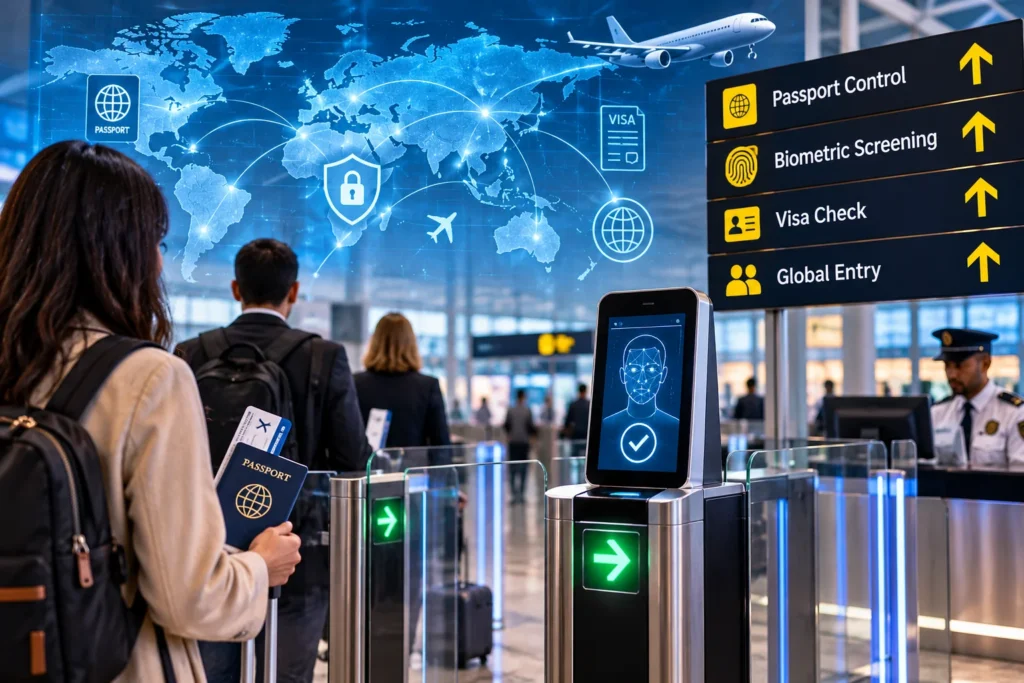
International travel administrative policies in East Asia are undergoing strategic realignments as updated border control protocols take effect. Authorities responsible for civil aviation, foreign affairs, and national security oversight have operationalized expanded screening frameworks designed to regulate foreign departures for personnel affiliated with essential technology sectors.
The revised outbound travel governance measures now extend beyond core scientific researchers to encompass immediate family members of key technical leaders, reflecting broader global mobility framework updates across high-value strategic industries.
Expanded Scope of Outbound Travel Approvals
Under updated administrative guidelines, direct relatives—specifically spouses and children—of primary executives in critical technology fields must complete formal clearance protocols before departing for international destinations, including short-term personal or leisure travel.
The clearance requirements apply broadly across both state-supported research centers and private corporate enterprises. Industry sectors subject to heightened travel oversight include:
Artificial Intelligence and Emerging Software: Founders, chief researchers, and specialized technical architects leading private technology firms.
Semiconductor Design and Advanced Manufacturing: Microelectronics engineers and supply chain directors overseeing hardware innovation.
National Research Infrastructure: Personnel and associated family units connected to strategic scientific laboratories and state research initiatives.
The departure management protocols do not constitute a blanket prohibition on international transit but establish mandatory review procedures conducted by relevant administrative departments prior to ticket issuance and border clearance.
Integration with National Exit-Entry Regulations
The expanded family clearance measures align with state regulations governing exit and entry administration. Updated rules promulgated by government administrative councils formalize exit management provisions aimed at protecting industrial, economic, and technological security.
State agencies operating border control infrastructure have updated legal mechanisms to enforce exit restrictions under specified conditions, including ongoing technological risk evaluations, potential security audits, and statutory regulatory compliance checks.
Official statements from state exit and entry administration authorities emphasize that standard commercial aviation, academic exchange, and leisure tourism activities for the general public remain fully operational under existing visa and passport issuance standards. The heightened pre-departure screening protocols apply strictly to designated lists of specialized personnel and associated households.
Implications for International Tourism and Air Transit
The implementation of targeted outbound travel controls introduces new administrative timelines for international tour operators, airlines, and hospitality providers catering to high-tier travelers from major technology hubs:
Advance Travel Documentation: Foreign travel bookings for affected families require extended lead times to accommodate official review and approval workflows.
Corporate and Leisure Travel Logistics: Travel management companies servicing tech sector hubs are adjusting booking policies to ensure corporate travelers and accompanying dependents secure verified departure clearances before finalizing non-refundable accommodation and flight arrangements.
Cross-Border Mobility Transparency: Official administrative bodies continue to publish detailed compliance guidelines to maintain clarity for standard international leisure travelers while enforcing statutory security frameworks.
Historical precedents within specialized scientific sectors, such as nuclear physics and advanced aerospace research, demonstrate that pre-departure security clearances have long been standard policy for sensitive personnel. The recent expansion into private-sector technology disciplines reflects the growing strategic weight assigned to software, hardware, and artificial intelligence infrastructure within national legal and regulatory systems.
For more travel news like this, keep reading Global Travel Wire