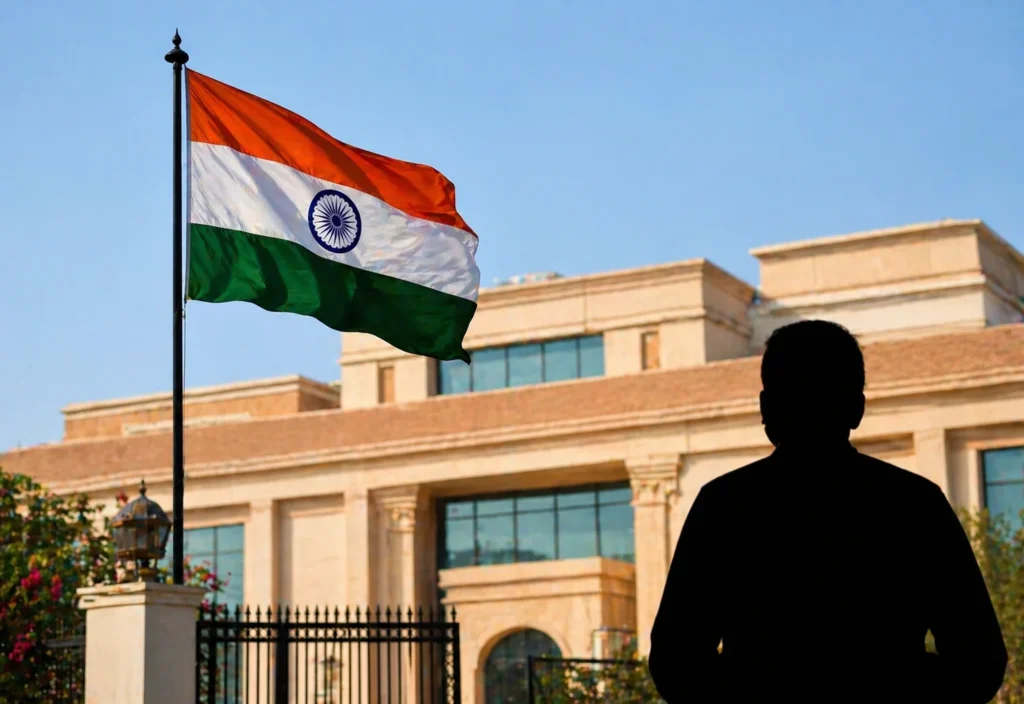
The Indian Embassy in Bamako has issued an urgent advisory asking Indian nationals in Mali to remain indoors, stay vigilant, and follow local authority instructions after a fresh wave of security incidents near the garrison town of Kati. The advisory has renewed global attention on travel preparedness, destination risk awareness, and the importance of official guidance for travelers in sensitive regions.
For the tourism industry, the development is a reminder that travel safety remains a core part of international mobility. While many destinations continue welcoming visitors normally, some regions can experience sudden changes in the security environment that require immediate caution and rapid communication.
The advisory was aimed at Indian citizens in Mali, including professionals, families, and residents, but it also carries broader lessons for travelers, tour planners, and businesses operating internationally.
Why Embassy Advisories Matter
Embassy advisories are issued to help citizens make informed decisions during changing conditions abroad. They may include instructions such as sheltering indoors, avoiding specific areas, monitoring local updates, or contacting emergency support lines.
These alerts are not unusual in regions facing instability, but they are especially important because they provide direct, practical guidance from official sources. For travelers, embassy notices can be among the most reliable forms of real-time information during uncertain situations.
Modern tourism increasingly depends on confidence and preparedness. Clear communication from diplomatic missions helps reduce confusion and allows people to respond quickly when conditions change.
Mali and International Travel Context
Mali is known for its rich cultural heritage, historic cities, music traditions, and Saharan landscapes. However, security conditions in parts of the country have remained complex in recent years, and official travel advice from many governments has often reflected that reality.
As with several destinations worldwide, travel conditions can vary significantly by region. Urban centres, business zones, and remote areas may each carry different considerations. This is why destination-specific guidance is essential rather than relying on general impressions.
For tourists and business visitors alike, understanding local conditions before departure is one of the most important parts of travel planning.
Importance of Staying Informed
One of the strongest messages from the advisory is the need to remain alert and responsive. Situations can evolve quickly, especially where security incidents affect transport routes or public movement.
Travelers should monitor:
Embassy announcements
Local authority instructions
Airline schedule changes
Airport access conditions
Hotel safety guidance
Ground transport availability
Emergency contact updates
Reliable information can help travelers avoid unnecessary movement, reduce stress, and make better decisions during rapidly changing circumstances.
What Travelers Can Learn
Even for people not visiting Mali, the situation offers valuable lessons for international tourism in general. Smart travelers now plan for more than flights and hotels. They also prepare for unexpected events such as transport disruption, weather alerts, health issues, or localized security concerns.
Useful habits include:
Registering travel details with official programs where available
Saving embassy and emergency numbers
Keeping passports and key documents accessible
Maintaining digital backups of important paperwork
Carrying essential medications and chargers
Knowing hotel exits and local emergency procedures
Monitoring updates daily during the trip
Preparedness often turns uncertainty into manageable inconvenience.
Impact on Business and Essential Travel
The advisory is also relevant for companies with employees overseas. Engineers, consultants, aid workers, contractors, and rotating crews often travel to destinations where conditions can change with little warning.
For employers, strong travel risk management includes location check-ins, emergency communications, insurance review, evacuation planning, and coordination with local partners.
Business travel is an important part of global tourism and international development. The same safety principles that protect corporate travelers can also benefit leisure tourists.
Aviation and Mobility Considerations
When security alerts are issued, air travel becomes a key concern. Travelers may need to review flights, airport access, and contingency plans if road movement becomes limited or schedules change.
In destinations served by a smaller number of international gateways, flexibility becomes even more valuable. Refundable tickets, travel insurance, and alternative routing options can make a major difference.
For tourists anywhere in the world, transport resilience is now a central part of travel planning.
Responsible Tourism in Sensitive Regions
Tourism can bring cultural exchange and economic opportunity, but it must always be approached responsibly in destinations facing security or political challenges.
Travelers considering such regions should rely on official government advice, use reputable operators, avoid unnecessary risk, and respect local instructions. If advisories recommend postponement or caution, those recommendations should be taken seriously.
Responsible tourism means recognizing when conditions support travel and when caution should come first.
How Destinations Build Confidence
The long-term success of tourism in any country depends on visitor confidence. Safety, clear communication, infrastructure reliability, and visible crisis response systems all help strengthen that confidence over time.
Many destinations that have faced challenges continue working to improve security coordination, tourism management, and traveler services. Confidence can recover when communication is strong and travelers feel supported.
This is why embassy advisories, while serious, are also part of a broader system that helps international travel function responsibly.
Practical Advice for Travelers Abroad
No matter the destination, these steps are useful:
Check official travel advisories before booking
Review conditions again before departure
Keep family informed of itineraries
Use trusted accommodation and transport
Avoid high-risk areas or unnecessary movement
Maintain emergency funds and backup payment methods
Stay calm and follow official instructions during disruptions
Travelers who prepare early are often better positioned to adapt.
Final Outlook
The latest Indian Embassy Mali Advisory highlights an important reality of modern tourism: travel opportunities are global, but so is the need for awareness and readiness. Most journeys remain safe and rewarding, yet conditions in some places can change rapidly.
For travelers, the key message is not fear—it is preparation. With trusted information, sensible precautions, and flexible planning, people can make smarter travel decisions wherever they go.
In an interconnected world, responsible tourism begins with staying informed, respecting official guidance, and putting safety first.