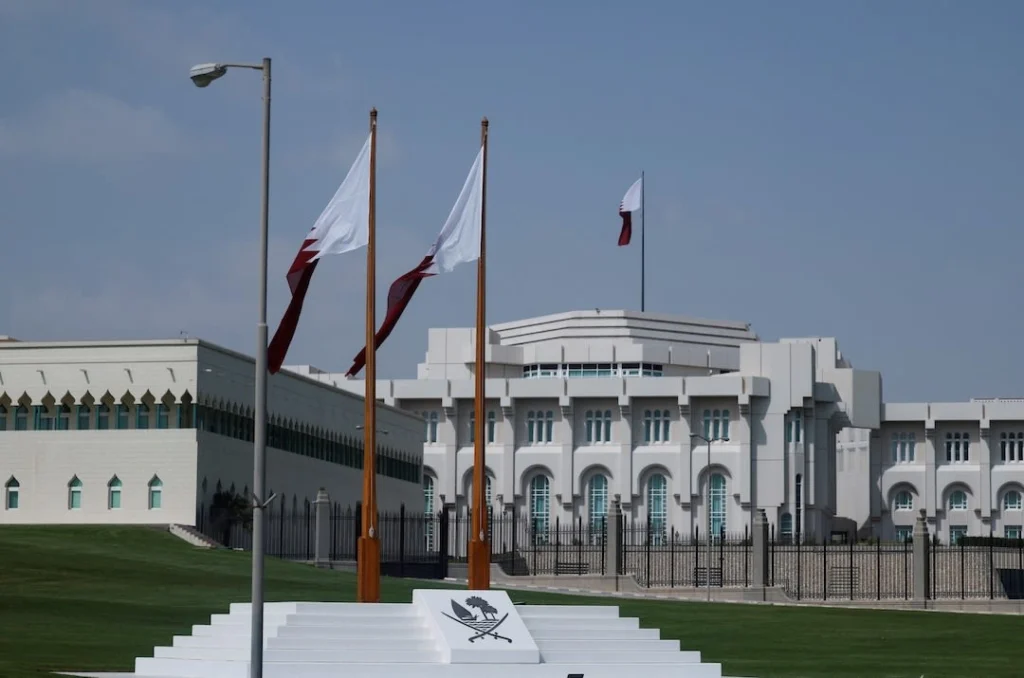
Iran and the United States have maintained diplomatic engagement through mediator-led technical discussions in Doha, creating a cautious but important opening for regional stability across the Gulf and the wider Middle East.
The meetings followed an earlier memorandum of understanding addressing outstanding issues between the two countries, including the cessation of military operations and freedom of navigation in the Strait of Hormuz. Qatar has confirmed that technical-level engagement is continuing, although no new high-level meeting or comprehensive political settlement has been announced.
For the travel industry, the immediate significance lies less in a final agreement and more in the continued use of diplomacy. Keeping communication channels active may reduce the risk of sudden escalation, which remains a major concern for airlines, airports, cruise operators, shipping companies and tourism businesses throughout the region.
Qatar Reinforces Its Role as a Diplomatic and Aviation Hub
Qatar has emerged as a central facilitator of the current diplomatic process.
Doha has hosted discussions involving mediators and American representatives while supporting wider negotiations aimed at reaching sustainable solutions through peaceful means. Qatar has consistently stated that dialogue can improve regional security and create new opportunities for cooperation and development.
This diplomatic role also carries importance for tourism and aviation. Doha is home to Hamad International Airport, one of the world’s leading global transit gateways, linking passengers across Asia, Europe, Africa, the Americas and the Middle East.
A more predictable security environment can support airline scheduling, passenger confidence and transit demand. However, travellers are still expected to monitor official advisories and airline updates because diplomatic progress does not immediately remove all regional risks.
Oman Supports Dialogue and Freedom of Navigation
Oman continues to play an important supporting role in diplomatic engagement involving Iran and the United States.
Its long-standing neutral foreign policy and experience in quiet mediation make Muscat a valuable regional communication channel. Qatar and Oman have also held discussions supporting negotiations intended to strengthen peace, security and shared prosperity.
For Oman’s tourism sector, regional stability is especially important. Muscat, Salalah, Nizwa and the country’s coastal and desert destinations depend on reliable air routes and a strong reputation for safety.
Oman’s strategic location near the Strait of Hormuz also makes secure maritime navigation essential for trade, cruise operations and regional economic confidence.
UAE Tourism and Aviation Depend on Predictable Airspace
The United Arab Emirates is another major stakeholder in the diplomatic outcome.
Dubai and Abu Dhabi operate large international airports and serve as global centres for tourism, finance, trade and logistics. Any escalation affecting Gulf airspace can force airlines to alter routes, increase flight times and review operational plans.
Continued dialogue may therefore help reduce uncertainty for carriers using regional corridors. It may also support confidence among travellers considering holidays, stopovers and business trips in the UAE.
Nevertheless, diplomatic talks should not be interpreted as an immediate guarantee of unrestricted travel. Airlines and authorities may continue to adjust operations based on security assessments.
Saudi Arabia, Kuwait and Bahrain Monitor Regional Risks
Saudi Arabia, Kuwait and Bahrain have strong interests in preventing further instability.
Saudi Arabia’s rapidly expanding tourism strategy depends on dependable international access to Riyadh, Jeddah, the Red Sea coast and major cultural and entertainment destinations. Lower regional tension can support investment confidence and help airlines maintain expanding route networks.
Kuwait benefits from secure air and maritime corridors because of its proximity to sensitive Gulf routes. Bahrain also closely monitors security developments due to its strategic location and importance as a financial and aviation centre.
For all three countries, reduced military risk can improve perceptions of the Gulf as a connected tourism region rather than a fragmented area exposed to sudden operational disruption.
Strait of Hormuz Remains Central to Global Travel Costs
Freedom of navigation in the Strait of Hormuz remains one of the most important issues surrounding the diplomatic process.
The waterway is vital to global energy movements and commercial shipping. Any disruption could increase fuel prices, affect airline operating costs and place pressure on ticket prices across international markets.
Cruise itineraries, cargo schedules and port calls in the Gulf could also face changes during periods of heightened risk.
The inclusion of navigation security within the wider diplomatic framework is therefore relevant far beyond the Middle East. India, European countries and other major energy-importing markets all have an interest in stable maritime routes and predictable fuel supplies.
Tourism Recovery Will Depend on Sustained Progress
The conclusion of technical discussions in Doha offers a limited but potentially constructive signal for tourism and aviation.
Continued communication reduces the possibility of miscalculation and demonstrates that diplomatic mechanisms remain available. This can support early improvements in market confidence, particularly if further talks produce verifiable progress.
However, there has been no comprehensive settlement, and regional travel conditions remain sensitive. Tourism recovery will depend on sustained de-escalation, secure airspace, uninterrupted maritime traffic and clear official guidance.
For now, the mood across Qatar, Oman, the UAE and neighbouring Gulf countries is best described as cautiously hopeful. The diplomatic channel remains open, and that alone provides the travel industry with a more positive foundation than renewed confrontation.
If dialogue continues, the benefits could gradually reach airlines, airports, hotels, cruise operators, exporters and travellers across the Middle East and beyond.
For more travel news like this, keep reading Global Travel Wire