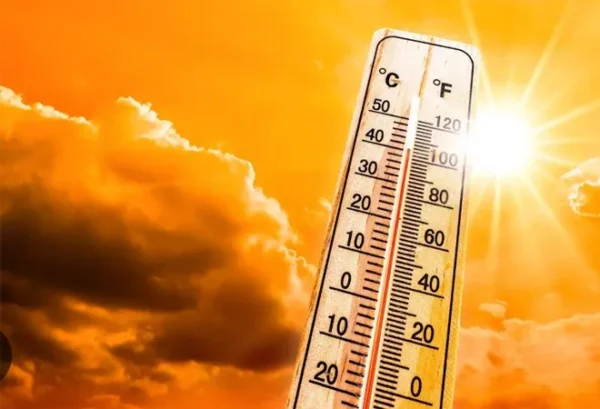
Japan’s intense summer heat is changing how international visitors explore Tokyo, Osaka and other popular destinations, with official Heat Stroke Alerts and dangerous Wet-Bulb Globe Temperature readings making flexible travel planning increasingly important.
Japan’s Ministry of the Environment continues to issue regional alerts when forecast conditions indicate a serious risk of heat-related illness. On July 25, 2026, Heat Stroke Alerts were active across 40 forecast regions for that day, although no Special Heat Stroke Alert had been issued.
The official guidance does not automatically advise travelers to cancel their holidays. However, it urges people to spend time in cool environments, use air conditioning, take regular breaks and consume water and salt as required.
For tourists, the message is clear. Long outdoor itineraries built around continuous walking, queues and exposed attractions may no longer be appropriate during the hottest part of the day.
The supplied travel brief highlights the importance of adapting Japan itineraries around official heat information rather than treating extreme temperatures as a minor inconvenience.
WBGT offers more guidance than temperature alone
Japan’s heat-risk system relies heavily on the Wet-Bulb Globe Temperature, commonly known as WBGT.
Unlike an ordinary temperature forecast, WBGT considers several factors that affect how the human body responds to heat. These include air temperature, humidity, sunlight and surrounding thermal conditions.
This is particularly important in Japan because high humidity can reduce the effectiveness of perspiration, making a day feel more physically demanding than the temperature reading suggests.
Tourists may walk between railway stations, temples, shopping districts and museums for several hours. Even when the activity does not feel strenuous, accumulated exposure can increase the risk of dehydration and heat illness.
The WBGT therefore functions as a practical daily planning tool for travelers, tour leaders and tourism businesses.
Danger category requires major itinerary changes
Japan’s official heat guidance divides WBGT readings into several risk categories.
Conditions below 21 generally require routine hydration. Readings between 21 and 25 call for more active water consumption, while conditions between 25 and 28 require frequent rest.
When WBGT reaches between 28 and 31, strenuous exercise should stop. Once the figure reaches 31 or higher, conditions enter the Danger category and exercise should generally be discontinued.
For tourists, this guidance can apply to activities such as long walking tours, cycling, hiking, theme-park queues and visits to large outdoor heritage sites.
A high reading does not mean every attraction closes. Instead, travelers should reduce outdoor exposure and restructure their schedules around air-conditioned locations.
Tokyo and Osaka visitors need flexible schedules
Tokyo and Osaka remain fully active during summer, but sightseeing during extreme heat requires a different approach.
Outdoor attractions are best visited early in the morning before sunshine and humidity intensify. Travelers can then move into museums, department stores, cafés, galleries or other indoor venues during midday.
Outdoor activities may resume later if official conditions improve.
In Tokyo, returning to accommodation for an afternoon break can reduce exhaustion caused by long journeys through railway stations and crowded streets. Osaka visitors should take similar precautions when exploring castle grounds, entertainment districts and outdoor food areas.
Hotels located near major railway stations or attractions can offer an important advantage because they reduce the amount of time guests spend walking in exposed conditions.
Hydration must begin before thirst develops
Regular hydration remains one of the most important protections against heat illness.
Travelers should drink throughout the day rather than waiting until they become thirsty. Frequent access to shaded or air-conditioned spaces can also prevent body temperature from rising to dangerous levels.
Light clothing, hats and sun protection can reduce exposure, but they do not replace rest and cooling.
Visitors should also avoid scheduling several demanding activities without recovery periods. A slower itinerary may ultimately provide a more enjoyable experience than attempting to complete every attraction while fatigued.
Vulnerable travelers face greater risks
Children, older visitors and people with health conditions may become unwell more quickly during extreme heat.
Families should build additional cooling breaks into their schedules and avoid keeping children outdoors for extended periods. Older travelers may also require more conservative itineraries, even when they feel comfortable at the beginning of the day.
Tour groups should ensure that participants have access to water and are not pressured to continue activities when symptoms emerge.
Early signs of heat illness may include dizziness, headache, nausea, weakness or unusual fatigue.
Anyone developing symptoms should stop physical activity and move immediately into a cool location. Clothing should be loosened, and cooling measures should begin.
Urgent medical assistance is required when a person becomes confused, loses consciousness or cannot drink safely.
Daily official checks become essential
Weather and WBGT conditions can vary between cities and change throughout the day.
Travelers should therefore check the Ministry of the Environment’s official heat information every morning and review updated conditions before beginning lengthy outdoor activities.
The system provides current readings, forecasts and regional Heat Stroke Alert information during Japan’s warm-weather monitoring period.
Japan remains open and rewarding during summer. Festivals, cultural attractions, shopping districts and urban experiences continue to welcome international visitors.
However, the growing importance of heat alerts means successful summer travel now depends on adaptation.
By prioritizing early sightseeing, indoor midday activities, hydration and real-time WBGT monitoring, tourists can continue experiencing Japan while placing health and safety at the centre of every journey.
For more travel news like this, keep reading Global Travel Wire