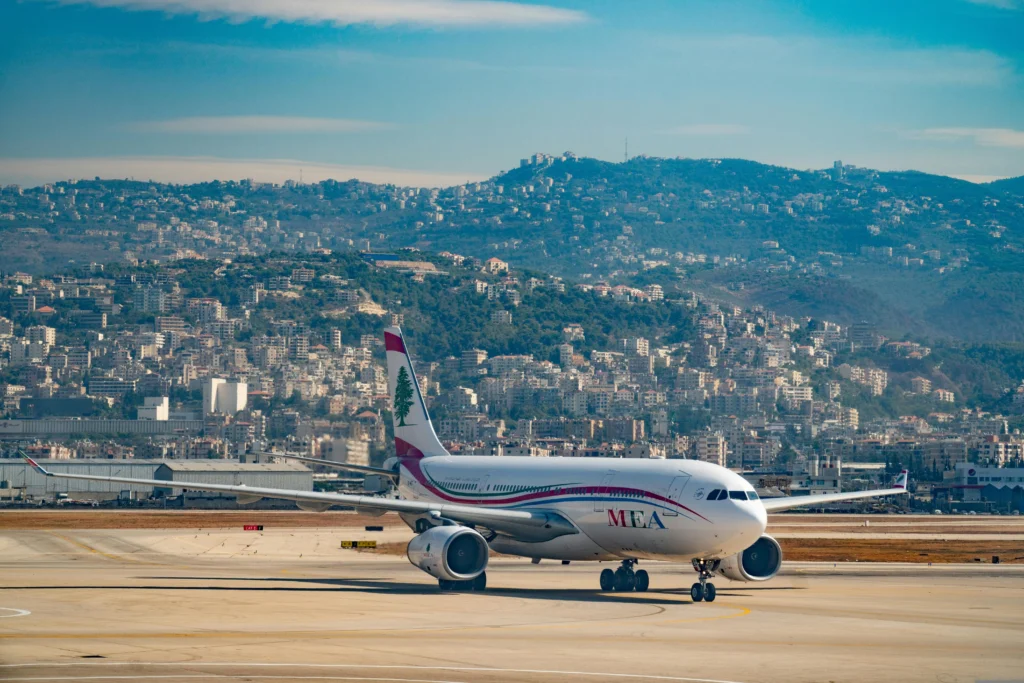
The Lebanese Civil Aviation Authority (LCAA) has officially initiated a comprehensive safety audit of Middle East Airlines (MEA), the national flag carrier. The regulatory intervention follows formal concerns raised by international pilot associations regarding the operational safety margins of flights navigating near regional conflict zones. As Beirut’s Rafik Hariri International Airport serves as a vital corridor for international arrivals, expatriate returns, and regional tourism infrastructure, the outcome of this audit is being closely monitored by global aviation partners and travel networks.
Official Regulatory Action and Safety Audit Scope
On June 3, 2026, LCAA Director General Mohammed Aziz confirmed that the civil aviation regulator has been conducting a targeted safety review of Middle East Airlines. The official oversight activity, which included field assessments between May 18 and June 1, aims to thoroughly review the carrier’s current risk mitigation strategies, flight routing protocols, and internal safety reporting culture.
The regulatory review was prompted by formal communications from the International Federation of Air Line Pilots’ Associations (IFALPA). In a directive issued by IFALPA President Ron Hay, the global pilot body expressed deep reservations regarding civilian commercial operations continuing through high-risk corridors. The federation emphasized that operating commercial aircraft adjacent to active conflict zones introduces severe risks to passenger and crew security.
The LCAA is currently processing the preliminary findings of the audit while actively mediating discussions between airline executives and pilot representatives to ensure alignment on international safety benchmarks.
Pilot Well-Being and Compensation Structures Under Review
A core focus of the regulatory inquiry involves the operational environment and compensation framework of flight crews. In the wake of prolonged national economic shifts since 2019, the structure of pilot remuneration at the carrier has undergone significant modifications.
Official statements indicate that base salaries for commercial pilots were adjusted downward during the economic crisis, shifting a substantial portion of overall compensation to per-flight operational stipends. This financial model has drawn scrutiny from international safety observers. Concerns have been raised that relying heavily on variable per-flight pay could inadvertently incentivize crews to accept routes through volatile air corridors to maintain standard income levels.
Furthermore, the audit is examining complaints that pilots who formally reported safety anomalies or active route concerns were assigned to mandatory retraining programs. International pilot unions argue that these assignments cause pilots to lose access to active flight stipends, creating a potential financial disincentive for transparent safety reporting.
Middle East Airlines Defends Safety Record and Compliance
In an official public statement released on June 3, 2026, Middle East Airlines strongly defended its operational standards, emphasizing an unblemished safety record spanning the last 60 years. Management clarified that the carrier has operated over 32,000 flights since the beginning of 2025, with only a marginal number requiring routine operational or training reviews. The airline stated that no mandatory safety-related pilot training flights have been issued during 2026.
According to MEA, all flight schedules and flight paths are designated based on rigorous, ongoing risk assessments compiled in direct coordination with the Lebanese government and the LCAA. The airline noted that it operates under clear international guarantees aimed at maintaining the neutrality and safety of Beirut’s primary commercial airport.
Addressing inquiries regarding financial allocations to aviation infrastructure personnel, MEA clarified that it has historically provided authorized financial assistance to essential public sector aviation workers, including air traffic control and technical personnel. The carrier stated that this support was fully coordinated with state ministries to maintain vital national transport infrastructure following public sector wage devaluations, and that the funding in no way compromises the regulatory independence or oversight capabilities of the LCAA.
Implications for Global Travel Alliances and International Transit
The regulatory scrutiny surrounding Middle East Airlines has drawn the attention of international aviation networks. MEA is a member of the global SkyTeam alliance, sharing codeshare and interline agreements with several prominent international carriers, including Air France and Delta Air Lines.
Under international aviation protocols established by organizations like the European Union Aviation Safety Agency (EASA) and the U.S. Federal Aviation Administration (FAA), member airlines are required to monitor and audit foreign codeshare partners to ensure equivalent safety standards. The SkyTeam Pilots Association has confirmed it is closely tracking the development of the LCAA audit, noting that alliance passengers expect uniform safety thresholds across all partner routes. Air France has maintained its policy of conducting periodic, routine safety audits of its alliance partners, while Delta Air Lines confirmed it is actively monitoring the regulatory situation in Beirut.
What This Means for Travelers and Tourism Infrastructure
Lebanon’s tourism sector and broader economy remain highly dependent on the continuous operation of its sole commercial aviation hub. While foreign carriers have periodically adjusted their schedules or bypassed certain parts of Middle Eastern airspace due to regional drone and missile tracking reports, MEA has remained the primary link connecting the country to Europe, West Africa, and the Gulf states.
| Audit Phase & Factor | Official Status / Operational Detail | Potential Impact on Regional Travel |
| LCAA Audit Timeline | Field reviews completed June 1; final processing underway. | Determines long-term regulatory compliance and flight stability. |
| Pilot Remuneration Review | Investigation into per-flight pay versus safety reporting. | Potential restructuring of crew scheduling and dispatch protocols. |
| Alliance Code-sharing | Maintained under monitoring by SkyTeam partners. | Any variance in safety marks could affect joint ticketing and connections. |
| Airspace Advisories | Foreign regulators recommend heightened caution in regional corridors. | Rerouting may cause increased transit times or schedule shifts. |
Travelers planning itineraries through the region are advised to maintain active communication with their ticketing offices. Passengers are encouraged to monitor official travel advisories from their respective ministries of foreign affairs and verify the operational status of flights through Beirut. As the LCAA completes its review, maintaining the highest standard of international safety compliance remains paramount for preserving global passenger confidence and stabilizing regional tourism transport networks.
For more travel news like this, keep reading Global Travel Wire