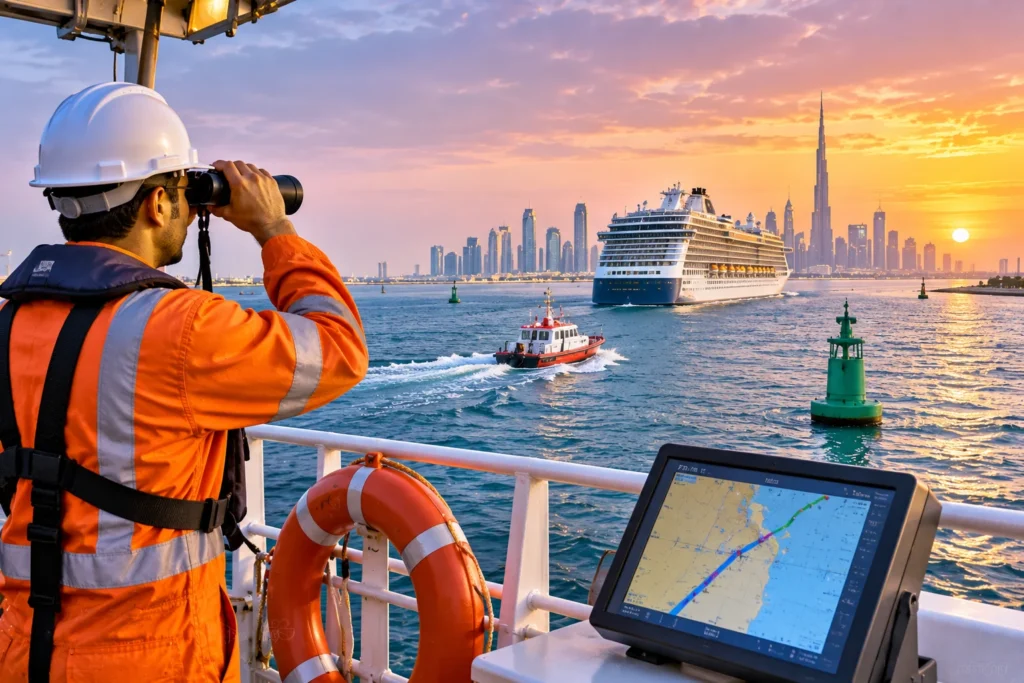
The waterways connecting the Gulf of Oman with the Persian Gulf represent vital corridors not only for global commercial trade but also for long-distance marine leisure, yachting expeditions, and luxury cruise transit. When maritime security notices are issued for sensitive bottlenecks like the Strait of Hormuz, sovereign transport authorities, port administrations, and international maritime security registries coordinate swiftly to safeguard vessels and passengers. Recent operational alerts issued by naval defense agencies regarding naval mine hazards and route compliance across the eastern strait have placed renewed focus on transit safety protocols that protect international passenger journeys and regional tourism routes.
Official Maritime Alerts and Route Compliance Across the Strait
Official communications from Iranian naval commands and regional port administrations detailed multiple maritime security incidents involving commercial tankers operating within restricted zones of the Strait of Hormuz. According to official defense statements, vessels sustained damage after entering corridors designated as restricted, with authorities noting that specific commercial ships had deactivated automated identification transponders prior to encountering submerged ordnance.
The notifications emphasize that authorized navigation channels remain established to maintain predictable, regulated passage through the waterway. Coastal security bureaus reiterated that commercial and private vessels must adhere strictly to designated transit routes and maintain active communication beacons to prevent misidentification or accidental entry into hazardous security zones near coastal waters.
For the international tourism and hospitality sector, particularly ocean-going charter yachts, passenger liners, and coastal ferry systems linking Gulf hubs, the clarity of designated safe lanes is critical. Modern maritime tourism operators rely on synchronized communication systems that receive immediate notices to mariners, enabling vessels to navigate around restricted defense corridors and maintain safe operations.
The Intersection of Regional Cruise Tourism and Maritime Safety
The broader Arabian Peninsula has expanded rapidly as a world-class destination for winter cruise travel and luxury coastal tourism. Ports of call across the United Arab Emirates, Oman, and Qatar welcome hundreds of thousands of international cruise passengers annually who arrive to explore dramatic coastlines, heritage forts, and marine reserves.
Sovereign tourism ministries and national port authorities prioritize passenger security through multi-layered defense coordination. Maritime administration agencies mandate that any commercial passenger ship operating near high-density navigation channels maintain active automated identification systems, submit detailed voyage manifests, and liaise continuously with regional naval coordination centres.
When regional security friction alters navigation conditions, cruise lines and maritime excursion operators work in lockstep with official transport directives to adjust itineraries. Vessels may reroute along recognized southern deep-water shipping lanes under Omani jurisdiction or temporarily reschedule passage through narrow passages until escort coordination and navigational clearance are certified by maritime defense commands. This meticulous approach ensures that leisure tourism activities proceed without exposing international voyagers to commercial danger zones.
Protocols for Private Yachts, Charters, and Leisure Voyagers
While commercial cargo carriers often dominate headlines during security alerts, recreational sailors, international regatta participants, and blue-water yacht owners frequently navigate northern Indian Ocean waters. International maritime guidance outlines specific requirements for civilian recreational craft entering or transiting strategic straits:
Constant Automated Tracking and Signal Compliance
Civilian vessels must keep automated identification beacons activated at all times. Turning off tracking systems to avoid administrative oversight creates severe collision risks and increases the likelihood of straying into cordoned operational areas or unverified waters.
Pre-Departure Notification with Coastal Guard Authorities
Recreational sailors must file clear voyage float plans with national maritime security agencies, coast guard posts, and designated port authorities before entering international straits. Registering itineraries ensures search and rescue teams can maintain radar oversight and provide rapid navigational alerts if exclusion zones are established.
Strict Adherence to Certified Maritime Corridors
Pleasure craft and charter catamarans are instructed to avoid cutting corners through shallow coastal waters or unauthorized military exclusion perimeters. Navigators must plot transit exclusively along internationally recognized, hydrographically verified traffic separation schemes that have been cleared of hazards.
Resilience of Coastal and Cultural Tourism Across Gulf Destinations
Despite operational challenges along specific chokepoints, regional travel ecosystems demonstrate high adaptability. Coastal destinations in the United Arab Emirates and Oman continue to experience steady growth in cultural, eco-marine, and adventure tourism.
Governments throughout the region have invested substantially in advanced maritime infrastructure, automated traffic control centres, and continuous air-sea surveillance to shield key economic and recreational assets. By relying on official safety advisories rather than informal speculation, international tour operators, travel agents, and tourists can make informed decisions, ensuring voyage safety remains paramount as global interest in Gulf coastal destinations expands.
For more travel news like this, keep reading Global Travel Wire