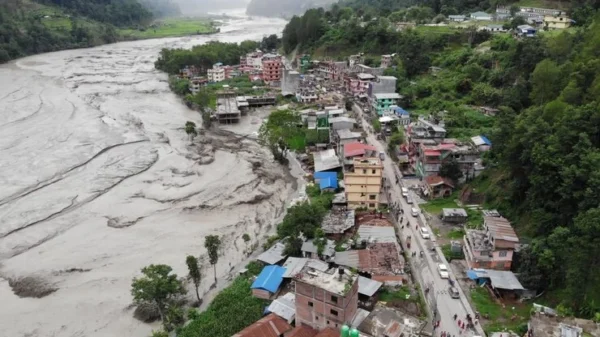
Travellers crossing eastern Nepal face serious road disruption as floods, landslides and damaged temporary diversions affect key highway links serving Ilam, Panchthar and Taplejung. The worsening conditions are creating delays for passenger buses, private vehicles and freight transport while raising fresh concerns for tourism access during the monsoon period.
Nepal’s Department of Roads road-closure system lists affected sections of the NH02 Mechi Highway and the NH03 Mid-Hill Highway. These routes support daily movement between lowland commercial centres and the eastern hills, making any interruption significant for residents, businesses and visitors travelling through the region.
The immediate concern is reliability. Temporary diversions can become unusable with little warning when river levels rise or slopes give way. Travellers may encounter long delays, altered routes or sudden restrictions, particularly after heavy rainfall.
Mechi Highway Closures Affect Regional Mobility
The Mechi Highway is a strategic road corridor linking Kechana, Chandragadhi, Charali, Ilam, Phidim and Taplejung. It provides an important connection between southern Nepal and the eastern hill districts, supporting passenger travel, trade and access to remote communities.
For tourism, the disruption matters because Ilam and Taplejung are increasingly important destinations for domestic and international visitors. Ilam attracts travellers with its tea gardens, hill landscapes and cooler climate. Taplejung provides access to trekking areas and mountain tourism routes, including journeys towards the Kanchenjunga region.
When sections of the highway close or become difficult to navigate, the effects extend beyond the road itself. Hotels may face cancellations, tour operators must adjust itineraries and local transport providers lose predictable schedules. Restaurants, shops and small businesses serving visitors can also experience reduced footfall.
Mid-Hill Highway Damage Adds Pressure
The Mid-Hill Highway is another vital route affected by floods and landslides. The road plays an important role in connecting hill communities across Nepal and supports movement between tourism areas, agricultural districts and regional markets.
Damage to crossings and washed-away diversions can isolate sections of the route, leaving travellers dependent on temporary solutions. Even when traffic resumes, vehicles may move slowly or under restrictions while repairs continue.
For passengers, this means that travel plans should remain flexible. A journey expected to take several hours can extend significantly when vehicles must wait for water levels to fall, use alternative routes or pass through narrow temporary sections.
Monsoon Conditions Raise Safety Risks
Road travel in Nepal’s hills requires additional caution during periods of heavy rain. Landslides can occur quickly, especially on steep slopes and near river valleys. Flooding can also weaken road surfaces and damage temporary crossings.
Nepal’s Department of Hydrology and Meteorology provides weather monitoring, hydrological updates and flood early-warning information. The department advises the public to remain alert to changing conditions and provides a toll-free service for weather forecasts and flood warnings.
Travellers should avoid assuming that a route remains open simply because it was passable earlier in the day. Conditions can change rapidly after intense rainfall, particularly in areas where repairs or temporary diversions are already in place.
Tourism Businesses Face Operational Challenges
The disruption arrives at a sensitive time for tourism businesses in eastern Nepal. Transport operators must manage unpredictable departure times, while hotels and guides may need to help visitors rearrange journeys at short notice.
Freight delays can also affect the hospitality sector. Restaurants, guest houses and local retailers depend on regular deliveries of food, fuel and essential supplies. When road access becomes unreliable, costs can rise and service quality may suffer.
The situation highlights the importance of resilient infrastructure for Nepal’s visitor economy. Tourism destinations need dependable roads not only to attract travellers but also to maintain confidence during the rainy season.
What Travellers Should Do Before Departure
Visitors planning trips through Ilam, Panchthar or Taplejung should check official Department of Roads updates before leaving. They should also monitor weather forecasts, follow local authority instructions and allow additional travel time.
Non-essential journeys should be postponed when warnings are in effect or when road conditions remain uncertain. Travellers should carry drinking water, essential medication, a charged phone and emergency contact details. Those using buses or hired vehicles should confirm whether operators have checked the latest route status.
Eastern Nepal remains open to tourism, but the current conditions demand careful planning. As repair teams work to restore access, clear information and flexible itineraries will be essential for protecting travellers and supporting the region’s tourism economy.
For more travel news like this, keep reading Global Travel Wire