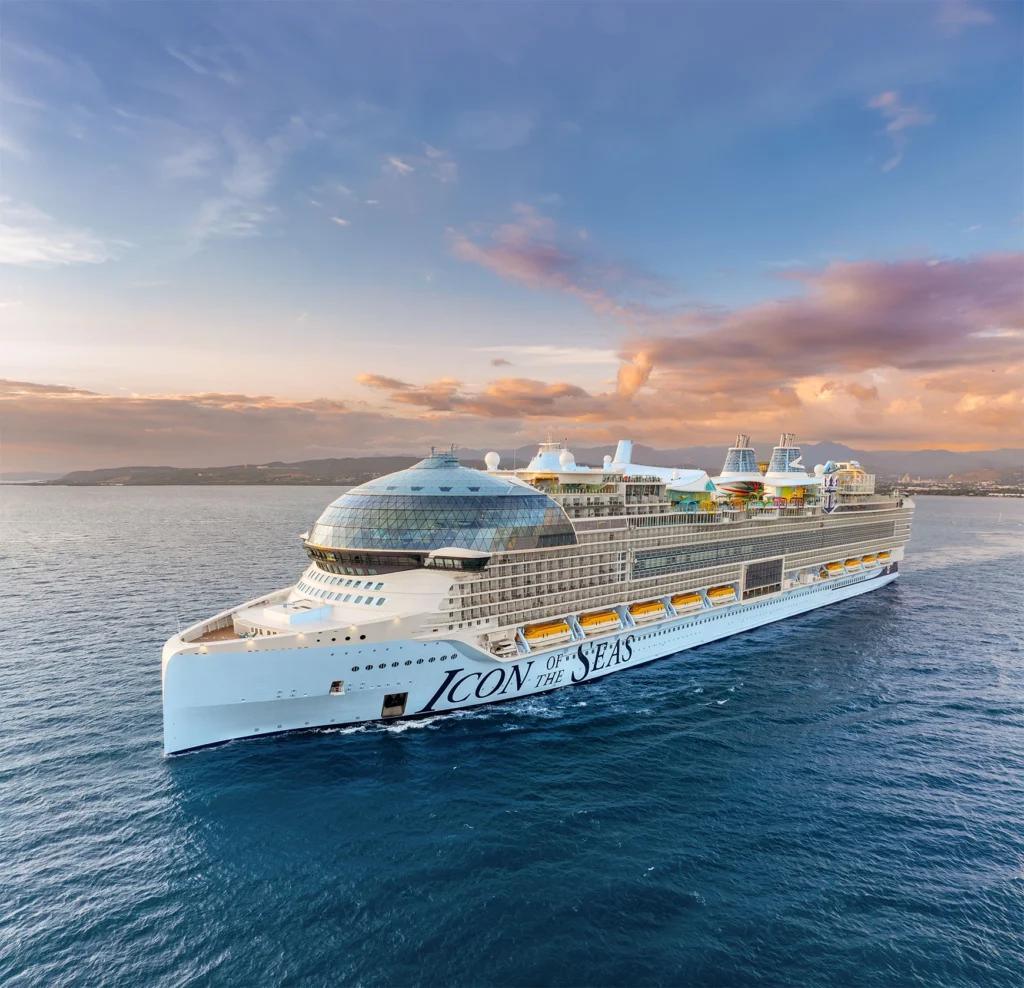
Royal Caribbean is pushing cruise innovation further in 2026 with advanced robotic technology now operating across its Icon Class ships. The move places automation at the center of sustainability, ship efficiency, and guest experience as the company expands futuristic systems on vessels including Icon of the Seas and Star of the Seas.
The new robotics strategy includes underwater maintenance machines, automated cleaning systems, and interactive service robots designed to support crew members rather than replace hospitality. For the global cruise industry, the rollout signals how next-generation ships may increasingly combine luxury travel with smart operational technology.
For passengers, the result could mean cleaner ships, faster service, and more immersive onboard experiences.
Underwater Robots Improve Efficiency at Sea
One of the most significant innovations works out of sight beneath the waterline. Royal Caribbean has introduced robotic systems that clean ship hulls while vessels operate or dock.
Hull cleanliness plays a direct role in fuel consumption. When algae, debris, and marine buildup collect on the ship’s exterior, drag increases. That forces engines to work harder and consume more fuel. By keeping hulls cleaner, underwater robots help vessels move more efficiently through the water.
The tourism impact is substantial. Lower fuel use can reduce operating costs, improve environmental performance, and support the cruise sector’s wider sustainability goals. As travelers increasingly consider environmental factors when choosing holidays, cleaner operations can also strengthen brand appeal.
For destinations that welcome cruise ships, more efficient fleets may also help support longer-term growth in responsible maritime tourism.
Smart Cleaning Systems Support Crew Operations
Royal Caribbean is also deploying robots inside its ships to handle selected maintenance and cleaning tasks in passenger and crew areas.
These machines use digital mapping systems to navigate corridors, public spaces, and service zones. They can clean floors, manage repetitive duties, and reach areas that often require constant manual attention.
That creates two major advantages. First, it improves operational consistency by allowing routine tasks to happen efficiently throughout the day. Second, it gives crew members more time to focus on high-value guest interaction.
Hospitality remains deeply human. Travelers still expect warmth, responsiveness, and personal attention. By reducing repetitive back-of-house workloads, automation can allow employees to spend more time helping guests, solving requests, and creating memorable service moments.
Robots Add Entertainment and Fast Service
Some of the most visible innovations appear in guest-facing venues. Royal Caribbean is introducing collaborative robots, often called cobots, that interact with passengers while assisting in service environments.
Robotic bartenders are among the standout examples. These systems can prepare drinks with speed and precision while creating a fun, futuristic attraction in onboard lounges. Guests receive both a beverage and an experience, which increasingly matters in modern travel.
Cruise lines now compete not only on destinations and cabins but also on onboard entertainment. Novel experiences help generate word-of-mouth attention, social media sharing, and repeat bookings.
Royal Caribbean’s use of cobots may also extend into performances and entertainment spaces, where robotics can support visually dynamic shows and immersive experiences.
Sustainability Becomes a Competitive Advantage
The cruise industry continues to face pressure to lower emissions, improve efficiency, and modernize operations. Royal Caribbean’s robotics investment shows how technology can support that transition in practical ways.
Cleaner hulls reduce fuel burn. Smart systems optimize labor and resources. Precision automation can lower waste and improve consistency across daily operations.
For travelers, sustainability increasingly influences booking behavior, especially among younger and premium consumers. Cruise brands that show measurable progress may gain stronger loyalty in the years ahead.
As a result, innovation is no longer only about novelty. It has become a strategic requirement.
Bigger Ships Need Smarter Systems
Modern cruise ships have evolved into floating resorts with thousands of guests, multiple restaurants, entertainment districts, wellness centers, and family attractions. As ships become larger and more complex, operating them efficiently requires more advanced systems.
That makes Icon Class an ideal platform for robotics. The scale of these ships creates opportunities where automation can improve logistics, cleanliness, and response times without changing the premium guest atmosphere.
Other cruise operators are likely watching closely. If these technologies deliver strong results, similar systems may spread across the wider industry.
What It Means for Travelers
For guests, robotic systems may quietly improve the cruise experience in ways that feel natural rather than disruptive.
Ships can stay cleaner. Service points can move faster. Crew members can spend more time on personal attention. Sustainability efforts can improve behind the scenes. Entertainment can feel more innovative and interactive.
Importantly, the core cruise experience remains unchanged: dining, destinations, relaxation, family fun, and world-class hospitality.
Technology works best when it enhances travel without overwhelming it. Royal Caribbean appears focused on exactly that balance.
The Future of Cruising Has Already Arrived
Royal Caribbean’s investment in robotics shows how the next generation of cruising will combine hospitality with intelligent systems that improve both operations and guest satisfaction.
What begins today with hull scrubbers, smart cleaners, and robotic bartenders could soon expand into logistics support, personalized services, and even more immersive entertainment.
For the cruise industry, this is more than a technology story. It is a glimpse into how ships of the future will operate.
And for travelers boarding Icon Class vessels in 2026 and beyond, the future may already be waiting at sea.
For more travel news like this, keep reading Global Travel Wire