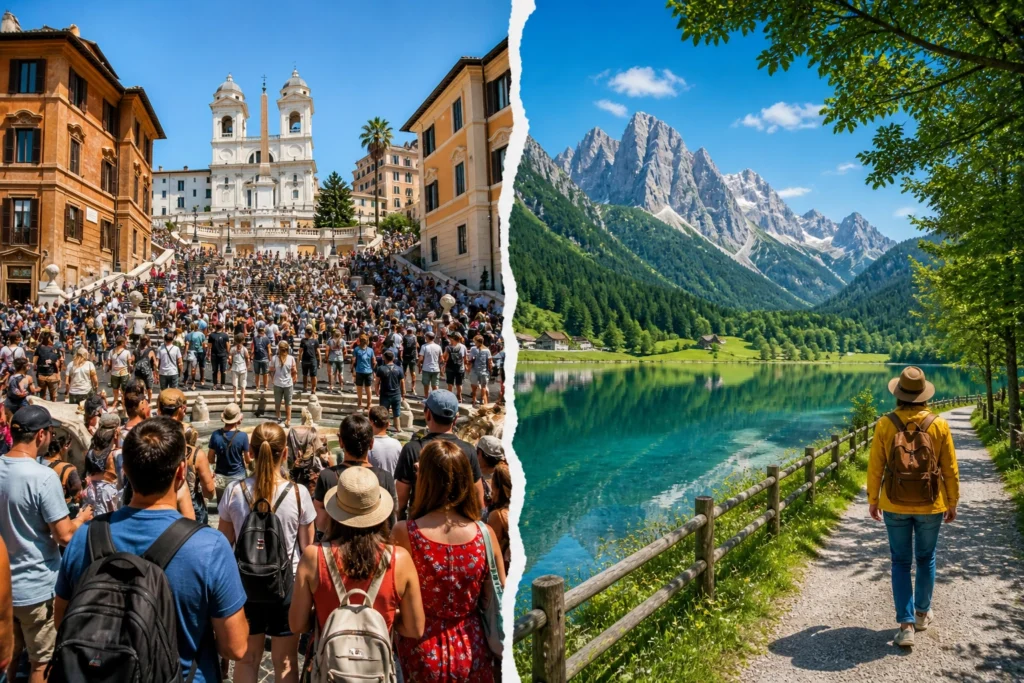
Spain has joined a growing coalition of global destinations—including Iceland, Italy, Andorra, Croatia, Indonesia, and Peru—in taking urgent action against the escalating overtourism crisis that is straining infrastructure, degrading ecosystems, and reshaping visitor experiences worldwide. Governments are implementing stricter controls, environmental protections, and sustainable tourism strategies to preserve iconic landmarks and maintain quality of life for residents.
As international travel demand surges, the pressure on some of the world’s most famous destinations has reached critical levels. Authorities are now prioritizing long-term sustainability over short-term visitor growth, marking a significant shift in global tourism policy.
Spain Battles Overcrowding in Major Tourism Hubs
Spain remains one of the most visited countries in the world, but destinations such as Barcelona, Madrid, and the Balearic Islands are facing mounting challenges from excessive visitor numbers. Overcrowded streets, housing shortages linked to short-term rentals, and pressure on public services have prompted decisive action.
Barcelona has introduced limits on visitor numbers at major attractions and tightened regulations on short-term rentals to ease congestion in historic districts. Meanwhile, the Balearic Islands—including Mallorca and Ibiza—have implemented environmental taxes and seasonal restrictions aimed at reducing peak-time overcrowding.
For the tourism industry, these measures are reshaping travel patterns, encouraging visitors to explore alternative destinations and travel during off-peak periods.
Iceland and Italy Strengthen Visitor Controls
Iceland, known for its dramatic landscapes, is managing heavy tourist flows along routes such as the Golden Circle and the South Coast. Authorities are regulating access to popular sites and investing in infrastructure improvements to protect fragile ecosystems while maintaining visitor access.
Italy faces similar challenges in cities like Venice, Florence, and along the Amalfi Coast. Venice has introduced tourism taxes and restrictions on cruise ships, while Florence is focusing on crowd management and promoting lesser-known attractions. The Amalfi Coast is implementing traffic controls and environmental protections to reduce congestion and preserve its natural beauty.
These efforts aim to balance tourism revenue with the preservation of cultural heritage and environmental sustainability.
Smaller Destinations Feel the Pressure
Even smaller countries like Andorra are grappling with overtourism. Known for its ski resorts and mountain landscapes, the country is experiencing overcrowding during peak seasons. Authorities are encouraging off-season travel and promoting eco-friendly tourism practices to mitigate environmental impact.
Croatia, particularly Dubrovnik, has also become a focal point of the overtourism debate. The city has introduced limits on cruise ship arrivals and visitor numbers in its UNESCO-listed Old Town. Other coastal cities, including Split and Zadar, are promoting regional tourism to distribute visitor flows more evenly.
Asia and Latin America Respond with Strong Measures
In Asia, Indonesia is addressing overtourism in Bali, where overcrowding has led to traffic congestion, waste management challenges, and pressure on local resources. Authorities are promoting sustainable tourism initiatives, including eco-friendly accommodations and visitor redistribution to less crowded areas.
Komodo Island has seen even stricter measures, including temporary closures to protect its unique wildlife and environment.
In South America, Peru is taking decisive action to protect Machu Picchu, one of the world’s most iconic archaeological sites. The government has introduced daily visitor limits, timed entry slots, and infrastructure improvements to safeguard the site while maintaining tourism access.
Tourism Industry Adapts to New Reality
The overtourism crisis is forcing a transformation across the travel industry. Airlines, hotels, and tour operators are adjusting strategies to align with new regulations and changing traveler behavior.
Destinations are increasingly promoting alternative locations, extended stays, and sustainable travel practices. For travelers, this means more structured itineraries, advance bookings, and potentially higher costs in heavily regulated areas.
At the same time, emerging destinations are benefiting from redistributed tourism, creating new opportunities for growth in less crowded regions.
A Global Shift Toward Sustainable Travel
The collective response from countries worldwide signals a broader shift toward sustainable tourism. Governments are recognizing the need to protect cultural and natural assets while maintaining economic benefits from tourism.
Environmental taxes, visitor caps, and stricter regulations are becoming standard tools in managing tourism flows. Education campaigns are also encouraging travelers to adopt responsible practices and explore beyond traditional hotspots.
The Future of Travel in a Post-Overtourism Era
The fight against overtourism is reshaping how destinations are marketed, managed, and experienced. While iconic locations remain in high demand, the emphasis is shifting toward quality over quantity, with a focus on preserving destinations for future generations.
For the global tourism industry, the challenge lies in balancing growth with sustainability. The measures being implemented today will define the future of travel, influencing where and how people explore the world.
As Spain, Italy, Iceland, and other nations continue to lead the charge, the overtourism crisis is becoming a catalyst for change—ushering in a new era of responsible and sustainable tourism worldwide.
For more travel news like this, keep reading Global Travel Wire