Travellers heading to Spain and other popular European destinations are being urged to plan summer holidays more carefully as extreme heat, wildfire danger and changing weather conditions increasingly affect sightseeing, outdoor activities and transport.
Spain, Portugal, France, Italy and Greece remain open to tourism. However, prolonged hot spells are changing how visitors experience cities, beaches, archaeological attractions and countryside destinations.
Official European warning systems continue to track heat, fire and other weather hazards across the continent. MeteoAlarm, which brings together warnings from 38 European national meteorological and hydrological services, showed numerous active warnings across Spain and several other countries on July 24, highlighting the importance of checking conditions locally rather than assuming an entire country faces the same risk.
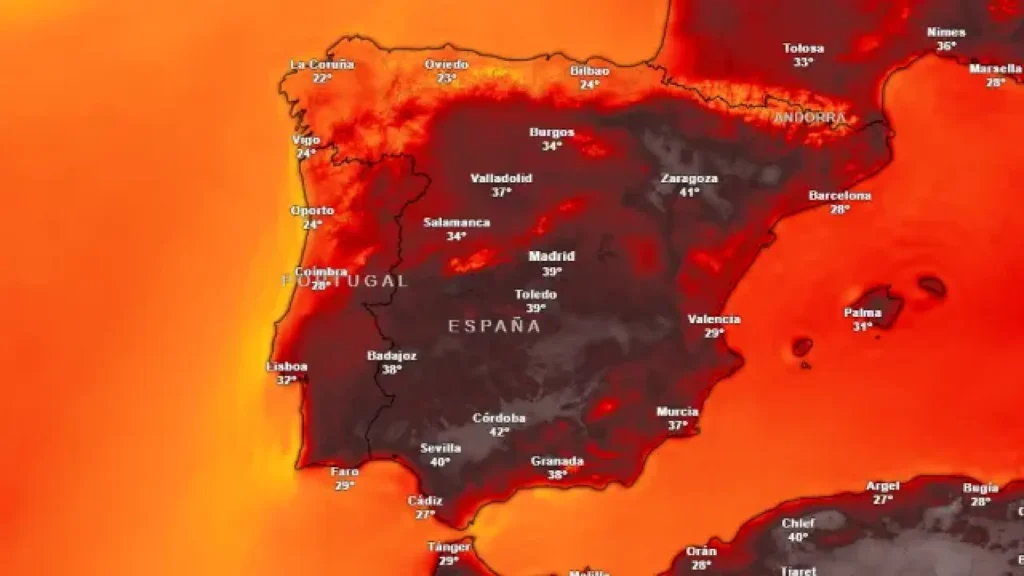
Spain remains a major heatwave hotspot
Spain is among the European destinations where extreme summer heat can have the greatest impact on tourism.
Madrid, Seville, Córdoba and inland Andalusia can experience particularly demanding conditions during intense hot spells. High temperatures can make long walking tours, exposed archaeological sites and outdoor excursions physically challenging.
Travellers may need to shift sightseeing towards mornings and evenings, allowing longer indoor breaks during the hottest part of the afternoon.
Accommodation choices are also becoming more important. Reliable air conditioning, access to drinking water and shaded areas can significantly influence comfort during prolonged heat.
Portugal combines heat with wildfire exposure
Portugal faces similar challenges, particularly across inland regions where heat and dry vegetation can increase wildfire danger.
The scale of recent fire activity demonstrates the risk. Copernicus reported that Spain and Portugal experienced record cumulative burned areas by the end of August 2025, with approximately 380,877 hectares affected in Spain and 265,139 hectares in Portugal.
Together, the Iberian Peninsula accounted for a major share of Europe’s record wildfire season, which saw more than one million hectares burned during 2025.
For tourists, wildfires can lead to road closures, smoke, hiking restrictions and evacuations even when hotels and resorts remain operational.
Rural holidays, campervan journeys and hiking itineraries therefore require greater flexibility.
France city breaks face rising heat pressure
France can no longer be viewed as automatically protected from intense summer temperatures.
Paris, Lyon, Bordeaux, Toulouse, Marseille and other cities can become uncomfortable during heatwaves, particularly in densely built urban environments.
European Commission research has shown that urban heat islands can create major temperature differences, with some city surface temperatures reaching 10°C to 15°C above surrounding rural areas under certain conditions.
For visitors, that can make queues, public transport journeys and long walks between attractions more tiring.
Museums, churches, shaded parks and evening activities can provide useful alternatives during the hottest hours.
Italy sightseeing requires smarter scheduling
Italy’s tourism experience can also become more demanding during extreme heat.
Rome, Florence, Naples, Bologna, Sicily, Sardinia and Puglia combine high visitor demand with outdoor attractions, historic streets and exposed archaeological sites.
At destinations such as Pompeii and the Roman Forum, limited shade can make midday sightseeing particularly strenuous.
Travellers can reduce exposure by visiting outdoor attractions shortly after opening and shifting galleries, museums and indoor cultural experiences into the afternoon.
Regular water breaks and less demanding itineraries can also make city holidays safer and more comfortable.
Greece adds wildfire risk to extreme heat
Greece faces the combined challenge of high temperatures, drought, dry vegetation and strong winds.
Athens and major island destinations can experience severe summer heat, while wildfire emergencies may affect roads, forests, hiking routes and local transport.
Copernicus reported significant wildfire activity across Greece and the eastern Mediterranean during 2025, driven by periods of extreme heat, dry conditions and fire-conducive weather.
Visitors should never assume that staying near the coast guarantees protection from wildfire. Wind direction can change rapidly, and official evacuation instructions must always be followed immediately.
Heat is changing the practical holiday experience
Extreme temperatures do not necessarily cause complete tourism shutdowns.
Instead, travellers may encounter changing opening hours, cancelled outdoor events, restricted natural areas or pressure on transport and local infrastructure.
Hotels with effective cooling and flexible booking conditions can become more attractive during periods of extreme weather.
Travel insurance also deserves closer attention. Heat alone may not automatically qualify for cancellation coverage, so travellers should understand whether policies cover wildfire evacuation, transport cancellation or official government warnings.
Flexible planning becomes essential
Europe’s summer tourism season remains active, but travellers increasingly need real-time information.
ECDC continues to advise summer travellers to stay informed about local health risks and take practical preventive measures during periods of warmer weather.
Early sightseeing, regular hydration, lightweight clothing, sun protection and shaded rest periods can reduce heat-related risks.
Children, older travellers, pregnant visitors and people with existing health conditions may require additional precautions.
Spain, Portugal, France, Italy and Greece remain among Europe’s most appealing destinations. However, extreme heat and wildfire risks are changing the way summer holidays must be planned.
Flexible itineraries, official weather warnings and realistic daily schedules are becoming as important as hotel prices and attraction bookings for travellers navigating Europe’s increasingly challenging summer climate.
For more travel news like this, keep reading Global Travel Wire