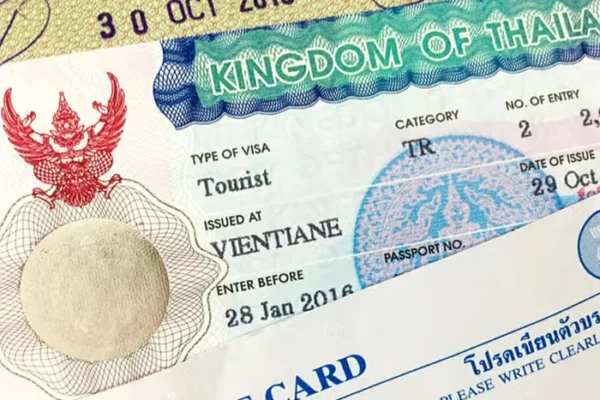
Thailand has renewed practical safety guidance for Indian nationals as the country continues to attract strong demand from Indian holidaymakers, families, honeymooners, business travellers and long-stay visitors.
The advice focuses on responsible travel rather than discouraging visits. Indian tourists are being urged to follow Thai immigration rules, respect local laws, protect personal belongings, remain alert to online scams and keep official emergency contacts accessible throughout their stay.
The guidance has gained additional importance as India strengthens its position as one of Thailand’s largest international visitor markets. Thailand welcomed more than 2.48 million Indian travellers in 2025, representing strong annual growth and generating substantial tourism revenue for the country.
Visitors Should Protect Passports and Valuables
Indian tourists are advised to remain especially vigilant in crowded locations, including airports, railway stations, nightlife districts, markets, beaches and major tourist attractions.
Passports, bank cards, cash and mobile devices should be stored securely rather than carried together in one bag. Keeping digital and physical copies of passports, visas, airline tickets and insurance documents can make replacement procedures easier if originals are lost or stolen.
Travellers should avoid displaying large amounts of cash or expensive jewellery and should use hotel safes where available. Bags should remain closed and within sight in busy locations where opportunistic theft may occur.
Official transport services, metered taxis, recognised ride-hailing platforms and registered tour operators provide greater protection than informal offers from unknown individuals.
Immigration Compliance Remains Essential
Indian passport holders should confirm current entry requirements before departure rather than relying on outdated online information.
Travellers must hold valid travel documents and meet the conditions attached to their permitted stay. Thailand requires foreign arrivals to complete the Thailand Digital Arrival Card before entering the country, making accurate advance submission an important part of travel preparation.
Visitors should also check the date stamped into their passports by immigration officers and ensure they leave or extend their stay before that permission expires.
Overstaying can result in fines, detention, deportation and restrictions on future entry. Thai immigration authorities impose longer re-entry bans in serious overstay cases, particularly where travellers are arrested rather than voluntarily reporting their status.
Tourists must also remember that visa-free or tourist entry does not permit employment. Anyone planning to work must obtain the correct visa and work authorisation.
Digital Scams and False Job Offers Pose Growing Risks
Digital safety has become a major part of the official advice provided to Indian nationals.
The Embassy of India in Bangkok has previously warned about fraudulent job offers targeting Indian citizens through social media, messaging applications and unverified recruitment agents. Some victims have been lured to Thailand with promises of employment before being trafficked across borders into illegal cybercrime operations.
Tourists should treat unsolicited job offers, investment schemes and requests for money transfers with extreme caution. Employment claims must be verified independently, and travellers should never surrender passports to recruiters or unknown intermediaries.
Fake hotel listings, fraudulent tour packages and imitation booking websites can also target international visitors. Payments should be made through secure systems, while accommodation and excursions should be booked through recognised businesses.
Public Wi-Fi networks should not be used for sensitive banking transactions unless adequate security protection is in place.
Local Laws Apply Fully to Foreign Visitors
Thailand’s reputation for hospitality does not exempt visitors from local laws.
Tourists should familiarise themselves with regulations covering public conduct, prohibited substances, road use, protected wildlife, environmental areas and cultural sites. Ignorance of the law is not accepted as a defence.
Travellers hiring motorcycles should hold the appropriate driving licence, wear helmets and confirm that insurance covers the vehicle. Road accidents remain one of the most serious risks faced by international visitors.
Those renting jet skis or other watercraft should inspect equipment before use, photograph its condition and confirm prices and liability terms in writing. Thailand operates tourist service centres and a dedicated Tourist Police hotline to assist visitors with disputes or emergencies.
Respect for Thai Culture Improves Every Journey
Responsible conduct can significantly improve the travel experience.
Visitors should wear modest clothing at temples, remove footwear where instructed and avoid disruptive behaviour at religious and cultural sites. Respectful interaction with monks, local communities and service workers is expected.
Environmental responsibility is equally important. Tourists should avoid littering, damaging coral, disturbing wildlife or entering restricted areas.
These measures help protect the beaches, islands, forests and heritage attractions that support Thailand’s tourism economy.
Emergency Preparation Provides Extra Protection
Indian travellers should save the contact details of the Embassy of India, local police, Tourist Police and their insurance provider before departure.
Thailand’s Tourist Police hotline operates around the clock and includes assistance in Hindi. Consular support may also be available for lost passports, accidents, arrests and other serious emergencies.
Comprehensive travel insurance should include medical treatment, evacuation, trip disruption and activities planned during the visit.
Thailand remains one of the most accessible and popular overseas destinations for Indian tourists. By following official procedures, protecting personal information and respecting local laws, visitors can reduce avoidable risks while enjoying the country’s beaches, temples, cities, cuisine and cultural attractions with greater confidence.
For more travel news like this, keep reading Global Travel Wire