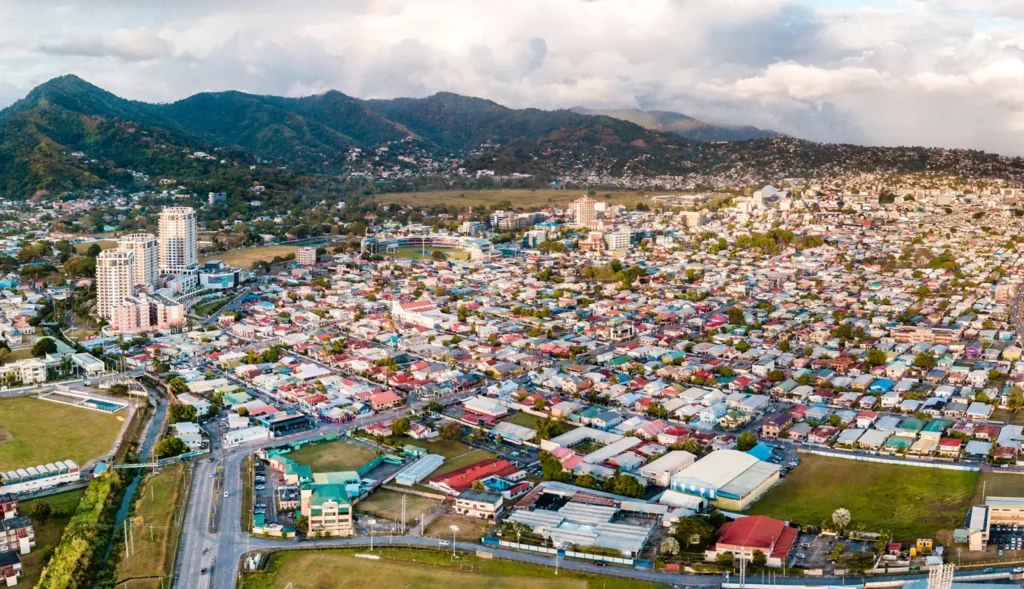
Travel safety has become a major concern for visitors heading to Trinidad and Tobago in 2026 as the Caribbean nation continues operating under a nationwide state of emergency following a sharp increase in violent crime. Authorities and travel advisors are urging tourists to take strict precautions while visiting urban areas, particularly in Trinidad, where incidents involving armed robberies, assaults, home invasions, and other violent crimes have intensified.
The security situation is placing growing pressure on the country’s tourism sector as travelers increasingly prioritize destination safety when planning Caribbean vacations. While Tobago continues maintaining a generally lower crime profile compared with Trinidad, officials emphasize that vigilance remains essential across both islands.
Travel experts say that careful planning, awareness of local conditions, secure accommodation choices, and safe transportation arrangements are now critical components of any trip to Trinidad and Tobago.
Crime Surge Drives Government Emergency Measures
The state of emergency reflects the government’s response to escalating crime rates and ongoing public security concerns. Certain areas of Port of Spain and nearby urban districts are now considered high-risk zones where authorities advise travelers to restrict movement, particularly after dark.
Violent incidents including armed robberies, targeted attacks, assaults, and home invasions have become key concerns affecting both residents and visitors. Security officials continue increasing law enforcement activity while encouraging tourists to monitor local advisories and avoid dangerous neighborhoods.
Travel safety specialists note that understanding local risk patterns is now essential for travelers seeking to safely explore the islands while minimizing exposure to crime-related incidents.
Despite the challenges, tourism activity continues, particularly in resort areas and coastal destinations where enhanced security measures remain in place.
Tobago Maintains Stronger Tourism Appeal
Tobago continues attracting visitors with its beaches, resorts, marine tourism, and nature experiences, and the island generally reports fewer violent incidents compared with Trinidad. However, tourism officials still advise travelers to remain alert and avoid isolated areas, especially at night.
Popular tourism districts and resort zones in Tobago maintain stronger safety reputations, helping sustain visitor confidence despite wider national security concerns.
Travel industry observers say Tobago’s comparatively lower crime levels could help the island preserve tourism demand as international travelers increasingly seek safer and more controlled vacation environments within the Caribbean region.
Visitors exploring beaches, nature trails, and cultural attractions are encouraged to travel in groups, remain within populated areas, and avoid spontaneous nighttime excursions into unfamiliar locations.
High-Risk Areas Require Extra Caution
Authorities continue warning travelers about specific high-risk neighborhoods within Trinidad, particularly in and around Port of Spain.
Areas including Laventille, Beetham, Sea Lots, and Cocorite are considered among the highest-risk zones due to elevated crime activity. Downtown Port of Spain is also viewed as unsafe after nightfall, especially for visitors unfamiliar with local conditions.
Moderate-risk areas include some urban streets and remote rural regions where emergency services and transportation access may be limited.
Tourism security advisors stress that travelers should carefully plan itineraries, avoid entering unfamiliar districts without guidance, and rely on local tourism authorities or hotel staff for updated safety recommendations.
Secure Accommodation and Transport Become Essential
Accommodation and transportation choices are now playing a major role in maintaining travel safety throughout Trinidad and Tobago.
Travelers are being advised to stay in hotels or resorts with visible security measures, including 24-hour staffing, surveillance systems, gated access, and controlled visitor entry.
Transportation safety is equally important. Visitors are encouraged to use licensed taxis, verified rideshare services, organized hotel transfers, or trusted car rental providers rather than informal transportation options.
Planning travel routes in advance and limiting movement after dark are also strongly recommended to reduce unnecessary exposure to higher-risk environments.
Hotels and tourism operators across the islands are increasing safety communication efforts to reassure international guests and maintain traveler confidence during the ongoing security situation.
Travelers Urged to Follow Safety Best Practices
Travel advisors emphasize that maintaining personal awareness and preparedness remains one of the most effective ways to reduce risk while visiting Trinidad and Tobago.
Recommended safety practices include carrying minimal cash, concealing valuables, traveling in groups whenever possible, and keeping emergency contacts easily accessible.
Tourists are also encouraged to monitor embassy updates, local news reports, and official security advisories throughout their stay, particularly as conditions may evolve quickly during the state of emergency.
Travel insurance providers are increasingly advising visitors to carefully review policy coverage related to emergency disruptions, medical assistance, and security incidents before departure.
Tourism Industry Faces Growing Pressure
The heightened security environment is creating operational challenges for Trinidad and Tobago’s tourism sector, which relies heavily on international visitor confidence and regional travel demand.
Hotels, tour operators, transport providers, and hospitality businesses are all working to balance security concerns with ongoing efforts to preserve the islands’ reputation as attractive Caribbean destinations.
Industry analysts note that travelers today are placing greater emphasis on destination stability, visible security infrastructure, and real-time safety information when making travel decisions.
The state of emergency may also influence cruise tourism, conference travel, and regional airline demand if international perception of safety continues deteriorating.
Careful Planning Remains Key for Visitors
Despite the security concerns, tourism professionals stress that safe travel in Trinidad and Tobago remains possible with proper planning, awareness, and responsible behavior.
Visitors who stay informed, avoid high-risk neighborhoods, use secure transportation, and remain alert to local conditions can still enjoy the islands’ beaches, festivals, culinary experiences, and cultural attractions.
As Trinidad and Tobago continues addressing crime challenges under the nationwide emergency framework, travel safety is expected to remain a central focus for both authorities and the tourism industry throughout 2026.
For more travel news like this, keep reading Global Travel Wire