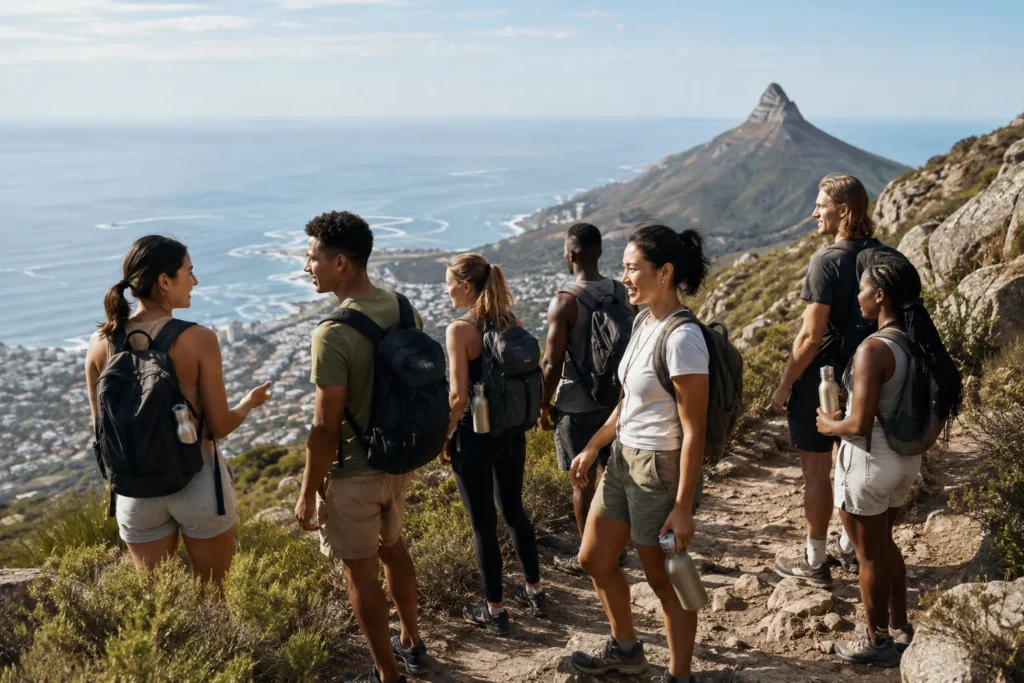
The global youth travel sector is undergoing a profound structural evolution, driven by a new generation of travelers seeking purposeful, culturally immersive, and eco-conscious journeys. Moving away from traditional high-density package tours and nightlife-centric trips, young travelers aged 18 to 35 are prioritizing independent exploration, small group travel, and direct engagement with local communities. Official industry releases and global traveler surveys indicate that over 80 percent of young travelers actively seek out lesser-known destinations away from crowded social media hotspots, reshaping how adventure travel is designed and delivered across global markets.
This paradigm shift aligns with broader international tourism trends highlighting a rising demand for low-impact travel, verified sustainability credentials, and authentic cultural exchange. To meet this evolving demand, major adventure tour operators are expanding international portfolios, capping group sizes, and integrating direct community benefits into every itinerary.
Emerging Youth Preferences: Prioritizing Authenticity and Local Insights
Recent global traveler research conducted across major origin markets—including Australia, the United States, Canada, and the United Kingdom—reveals that young holidaymakers value local expertise above standard commercial offerings. According to published consumer statistics, 77 percent of surveyed travelers report that certified local guides significantly elevate their overall travel experience, while 86 percent state they feel markedly safer exploring unfamiliar regions alongside native leaders.
Furthermore, 67 percent of respondents express a distinct preference for visiting remote, under-the-radar destinations rather than congested tourism hubs. This desire for off-the-beaten-path exploration is accompanied by a conscious effort to minimize environmental impact. By limiting tour group sizes to an average of 10 to 18 participants, adventure operators ensure that small-group itineraries can navigate fragile ecosystems and small village communities without triggering the negative effects of overtourism.
Small group dynamics allow travelers to establish genuine connections with host communities, experience local culinary traditions, and gain deeper insight into regional heritage. This decentralized approach distributes tourist spending directly to family-run accommodations, local transport providers, and community guides, ensuring that economic benefits remain within the host destination.
Niche Lifestyle Offerings and Customized Itineraries
As youth adventure tourism matures, operators are moving away from broad, age-based marketing in favor of specialized itineraries designed around specific lifestyle choices, wellness priorities, and personal passions. Industry announcements highlight a surge in tailored travel products that cater to distinct community interests:
Active and Wellness Travel: Specialized itineraries combining regional exploration with fitness activities—such as organized European running tours or quiet wellness retreats—are gaining strong traction among health-conscious travelers.
Mindful Social Experiences: Travel options centered on alcohol-free social connections and wellness-driven itineraries are expanding rapidly, appealing to travelers who prioritize rest, daytime exploration, and mental well-being over late-night entertainment.
Targeted Demographic Programs: Customized collections designed for university students and young professionals aged 18 to 24 offer structured support, helping first-time international travelers transition into confident, independent global explorers.
Community Digital Connection: Innovative digital platforms enable solo travelers to connect, communicate, and build friendships before embarking on group trips, fostering a strong sense of community prior to departure.
Conservation and Wildlife Expeditions: Experiential wildlife itineraries—such as gorilla trekking in Uganda or biodiversity travel in Sri Lanka—balance outdoor adventure with regional conservation education and culinary heritage.
Direct Climate Action and Sustainable Tourism Infrastructure
Environmental accountability has become a primary benchmark for young travelers, who expect tour providers to demonstrate transparent, verifiable climate commitments. In response, leading adventure travel brands are shifting away from conventional carbon-offsetting programs toward direct, measurable decarbonization strategies across their operational supply chains.
Dedicated climate impact initiatives invest directly in transition support for local suppliers, funding the adoption of renewable energy, eco-friendly transport options, and water conservation practices at partner properties. Aligning operations with the United Nations Sustainable Development Goals, operators are working to reduce absolute emissions while backing grassroots biodiversity preservation projects worldwide.
By implementing clear carbon reporting and eliminating single-use plastics across tour supply chains, the youth travel sector is setting a high standard for environmental stewardship within the broader global tourism economy.
Strategic Guidelines for Responsible Youth Travel Planning
Travel authorities and sustainable tourism organizations recommend practical guidelines for young travelers seeking to maximize the positive impact of their journeys:
Support Local Supply Chains: Select operators that hire certified local guides and partner with independent, family-owned accommodations to ensure tourism revenue supports host communities.
Practice Responsible Digital Sharing: Avoid sharing exact geotags of delicate natural habitats or small rural villages on public social media platforms to protect under-the-radar locations from sudden overcrowding.
Choose Capped Small Groups: Opt for itineraries that restrict group numbers to fewer than 18 participants, reducing the physical footprint on local infrastructure and allowing for flexible, meaningful interactions.
Prioritize Verified Sustainability: Look for travel providers that report direct emission reduction metrics or contribute to dedicated environmental impact funds rather than relying solely on carbon offsets.
Explore Secondary Destinations: Dedicate portions of travel itineraries to lesser-known towns, regional parks, and secondary cities to help balance visitor distribution across host countries.
Industry Outlook: The Future of Global Youth Travel
The continuous evolution of youth adventure tourism demonstrates that young travelers are redefining the meaning of holiday travel. Future growth across the sector will be anchored by operators capable of combining community-led experiences, flexible travel scheduling, and rigorous environmental management.
As global youth travel continues to expand, the emphasis on local empowerment, ecological preservation, and meaningful cultural exchange ensures that adventure travel yields long-term benefits for both international visitors and local host communities worldwide.
For more travel news like this, keep reading Global Travel Wire