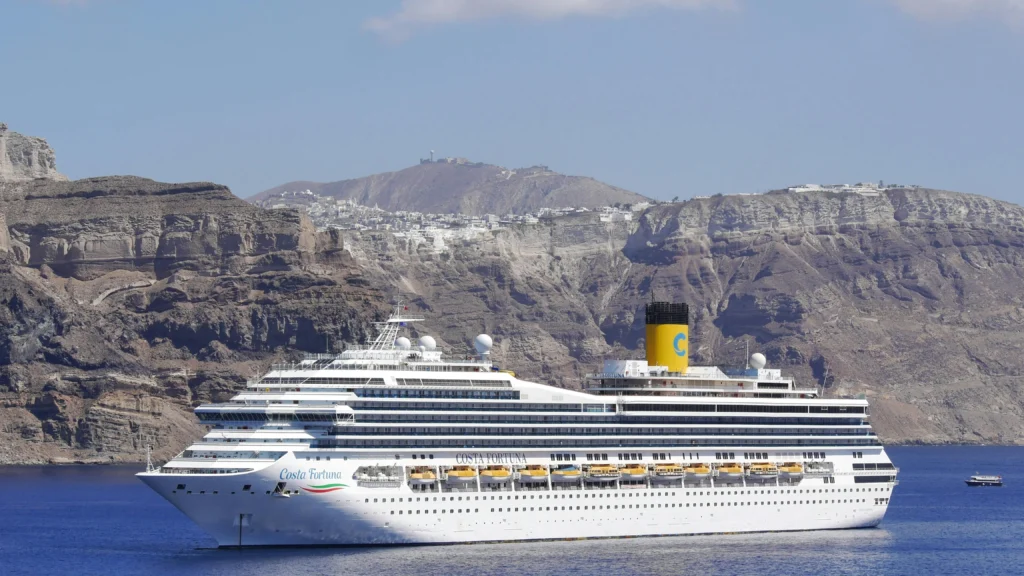
The sun-drenched coastlines and ancient heritage sites of Greece have solidified their status as an absolute powerhouse in the global maritime travel market. Recent data reveals that the country is increasingly capturing the highly lucrative demographic of affluent older travelers, particularly American senior travelers looking for immersive and high-value cultural journeys. Far from just a passing seasonal trend, this surge in premium voyages is reshaping the economic landscape of the Eastern Mediterranean, drawing sophisticated international sightseers with a strong appetite for extended, experiential travel.
According to a comprehensive senior cruise travel analysis, Greece now ranks 7th globally among the world’s top cruise destinations for travelers aged 65 and older. The nation accounts for an impressive 4.9% of all specialized travel insurance policy sales within this high-spending demographic. This ranking places Greece firmly in the global spotlight alongside established cruise giants like Mexico, the United States, the Bahamas, Italy, and Spain, underscoring its unrivaled appeal in the luxury leisure sector.
Premium Budgets and Extended Voyages: Inside Senior Travel Dynamics
The shifting preferences of older travelers are introducing an era of unprecedented financial injection into local island economies. Industry data demonstrates that travelers aged 65 and older are significantly more inclined to choose premium Mediterranean itineraries that feature longer durations and extensive port-intensive sailing schedules. Unlike younger generations who frequently opt for quick, budget-conscious weekend getaways, the senior demographic shows a distinct preference for voyages that extend beyond two weeks.
This penchant for slower, more thorough exploration is backed by powerful purchasing trends. Older travelers spend an average of nearly $7,000 per cruise. Furthermore, seniors are nearly twice as likely as younger passengers to dedicate premium budgets of upwards of $10,000 to a single cruise vacation—a striking 7.7% of older bookings compared to just 4.2% among younger demographics. Conversely, nearly half of younger respondents aim to keep their vacation budgets strictly below $3,000, a threshold maintained by only 35% of senior travelers.
Unwavering Passenger Loyalty and a Health-First Mindset
Another defining characteristic of the modern senior cruiser is an exceptional level of brand and destination loyalty. A staggering 95% of seniors booking a cruise are verified repeat travelers, indicating a highly predictable and resilient consumer base for cruise lines operating in Europe.
However, while their passion for international exploration remains unchanged, their purchasing habits regarding safety and risk management have undergone a noticeable structural transition. Older travelers are now placing a significantly higher priority on securing robust emergency medical coverage over standard trip cancellation protection. This change reflects an elevated awareness of health-related variables while navigating foreign destinations.
Seniors are increasingly seeking policies that ensure immediate, top-tier medical care or emergency air evacuation, prioritizing physical well-being and peace of mind over simple financial refunds for missed departures.
Record Revenue and Strategic Expansion Across Greek Ports
This wave of high-spending American senior travelers aligns perfectly with spectacular macroeconomic figures released in official Greek tourism board and ministry statements. The Bank of Greece reported that the national tourism economy broke historic records, welcoming nearly 38 million international visitors and generating an unprecedented €22.4 billion in annual revenue. Most notably, international travel receipts grew nearly twice as fast as raw visitor arrivals, highlighting a successful, deliberate national pivot away from mass volume toward high-yield, premium tourism.
American visitors remain the undisputed champions of per-capita spending in the region, averaging an impressive €958.66 per trip—a phenomenal 59% above the general global average. This high financial engagement is heavily mirrored within the maritime sector. The Hellenic Ports Association reported that Greek ports handled 6,129 cruise calls, representing a double-digit, 11.6% year-on-year growth rate. Total cruise passenger traffic simultaneously marched forward by 6.2%, exceeding 8.4 million passenger visits nationwide.
The economic contribution of the cruise sector to the Greek national GDP has nearly tripled in recent years, soaring to €3.1 billion and directly supporting over 33,000 local jobs.
Decentralizing Traffic: Unlocking Secondary Island Treasures
To maintain the high quality of the visitor experience and ensure long-term environmental sustainability, Greece is actively executing a sophisticated port diversification strategy in close cooperation with the Cruise Lines International Association (CLIA). While the historic Port of Piraeus remains the undisputed primary homeport and turnaround hub of the region—managing over 1.8 million passengers—and iconic stops like Mykonos and Santorini move into a phase of strictly managed growth, cruise lines are increasingly routing their vessels toward 48 diverse destinations nationwide.
Secondary ports are rapidly stepping into the spotlight, successfully capturing the attention of premium, boutique cruise segments. Historic ports like Chania in Crete have broken all-time passenger records, while regions such as Rhodes, Heraklion, Corfu, Katakolo, and Lavrio are steadily strengthening their positions on luxury itineraries.
By dispersing affluent travelers across lesser-known gems like Agios Nikolaos, Volos, and the emerging northern hub of Thessaloniki, Greece is ensuring that the economic blessings of high-value cruise tourism are distributed equitably across local communities. This balanced infrastructure strategy guarantees that older travelers can experience authentic, uncrowded Greek culture, securing the nation’s status as a premier global sanctuary for elite cruise travel.
For more travel news like this, keep reading Global Travel Wire