A major technological shift is underway in the global cruise industry as Orca AI partners with Samsung Heavy Industries to develop next-generation autonomous vessel technologies. The collaboration, formalized through a memorandum of understanding, aims to integrate advanced artificial intelligence systems with shipbuilding expertise to enhance navigation, safety, and operational efficiency—potentially reshaping cruise tourism worldwide.
The initiative combines Samsung Heavy Industries’ autonomous navigation and berthing technologies with Orca AI’s computer vision-based platform, enabling AI-assisted navigation, docking, and speed optimization for both new and existing vessels. As cruise demand continues to rise globally, the adoption of these systems is expected to play a pivotal role in improving passenger experiences while supporting sustainable growth in the sector.
AI-Powered Navigation Enhances Cruise Experience
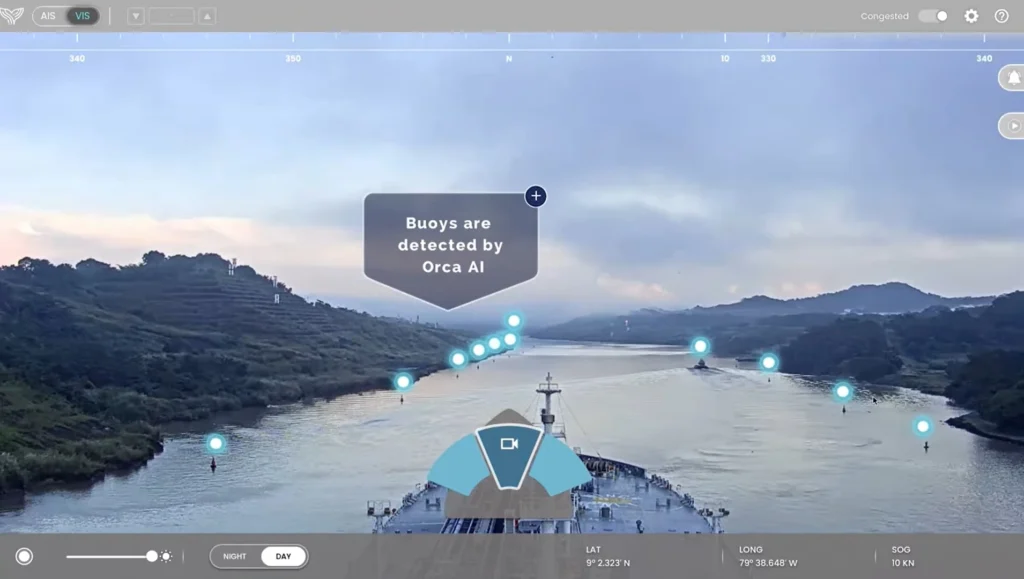
The integration of AI into cruise ship operations is set to redefine how voyages are managed. Orca AI’s platform, including its SeaPod system, uses advanced computer vision and real-time data analysis to detect and prioritize navigational risks.
For cruise passengers, this translates into smoother journeys and enhanced safety. AI-driven situational awareness allows vessels to respond more effectively to changing maritime conditions, reducing the likelihood of disruptions. Cruise lines can also leverage these technologies to deliver more predictable itineraries, improving overall guest satisfaction.
As digital transformation accelerates across the travel sector, AI-assisted cruise experiences are emerging as a key differentiator for operators seeking to attract tech-savvy and safety-conscious travelers.
Autonomous Berthing and Speed Optimization Transform Operations
A core element of the partnership lies in combining Samsung Heavy Industries’ SVISION berthing assistance system with autonomous speed control solutions. These technologies enable vessels to dock with high precision and manage speed more efficiently, even in congested ports.
For cruise operators, this advancement significantly reduces reliance on manual intervention, minimizing the risk of human error. Improved docking accuracy enhances passenger safety, particularly in busy cruise hubs where large vessels must navigate tight spaces.
At the same time, speed optimization systems are expected to deliver measurable benefits in fuel efficiency. With sustainability becoming a top priority in global tourism, these innovations align with industry efforts to reduce emissions and promote eco-friendly cruising.
Driving Efficiency and Sustainability in Cruise Tourism
The adoption of autonomous technologies is poised to bring substantial operational efficiencies. By optimizing navigation routes and reducing fuel consumption, cruise lines can lower operating costs while maintaining high service standards.
These efficiencies may translate into more competitive pricing and broader accessibility for travelers, potentially expanding the global cruise market. At the same time, reduced environmental impact supports the industry’s transition toward greener operations, an increasingly important factor for environmentally conscious passengers.
The combination of cost savings and sustainability improvements positions autonomous cruise technology as a strategic investment for the future of maritime tourism.
Rising Demand for Smart and Seamless Cruise Travel
As traveler expectations evolve, demand for innovative and seamless travel experiences continues to grow. Autonomous cruise ships equipped with AI systems offer a premium experience, characterized by enhanced safety, efficiency, and comfort.
Passengers are likely to benefit from reduced delays, smoother itineraries, and more reliable scheduling. These factors are particularly important in the cruise industry, where timing and coordination across multiple destinations are critical.
The integration of advanced technologies also appeals to a new generation of travelers who prioritize innovation and sustainability when choosing travel experiences.
Industry-Wide Impact and Future Outlook
The collaboration between Orca AI and Samsung Heavy Industries is expected to set new standards across the maritime and cruise industries. As more vessels adopt AI-powered navigation and autonomous systems, the sector could experience a widespread transformation in how ships are operated and managed.
Beyond operational benefits, the partnership highlights the growing role of technology in shaping the future of tourism. Cruise lines that embrace these innovations are likely to gain a competitive edge, attracting passengers seeking safer, more efficient, and environmentally responsible travel options.
A New Era for Cruise Tourism
The introduction of autonomous vessel technologies marks a turning point for cruise tourism. By combining AI-driven navigation, precision berthing, and optimized speed control, the industry is moving toward a more advanced and sustainable model of operation.
For travelers, this evolution promises enhanced safety, improved comfort, and greater confidence in cruise experiences. For operators, it offers a pathway to increased efficiency and long-term growth.
As the partnership between Orca AI and Samsung Heavy Industries progresses, the cruise sector is entering a new era—one defined by intelligent systems, innovation, and a commitment to delivering safer and more sustainable journeys on the world’s oceans.
For more travel news like this, keep reading Global Travel Wire