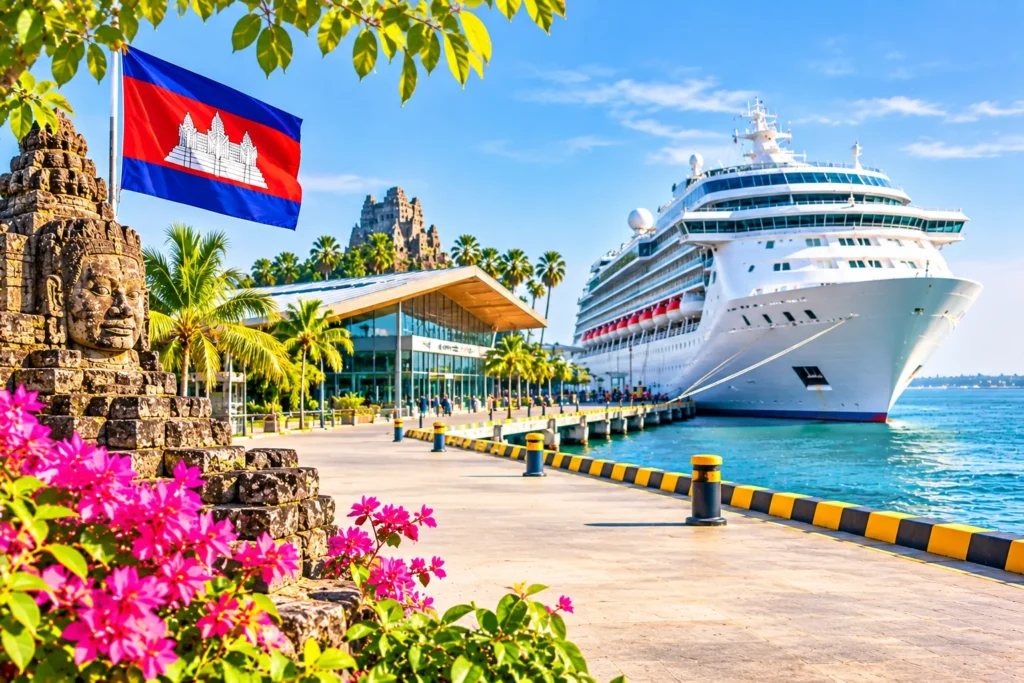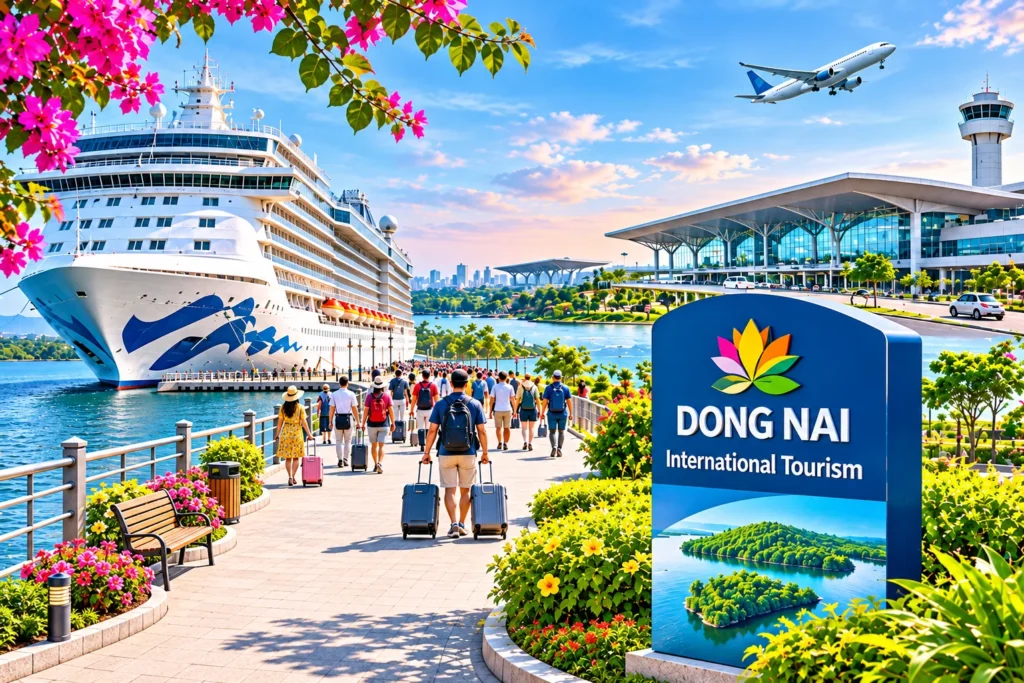
The tourism landscape in Dong Nai is entering a transformative era of global connectivity, pivoting from its traditional role as a weekend ecotourism retreat into a dynamic international travel gateway. With major cruise vessels docking at Phuoc An Port in Phuoc An commune, maritime passenger arrivals are unlocking new potential for the southeastern province. Official municipal and provincial tourism authorities emphasize that the arrival of high-capacity passenger vessels offers unprecedented exposure to international markets, creating an urgent and strategic incentive to formulate distinctive local itineraries, enhance hospitality services, and generate meaningful economic returns across host communities.
While the docking of international cruise liners at Phuoc An Port signals significant logistical progress, official industry assessments acknowledge a core operational challenge. Historically, many cruise itineraries anchoring along the regional river and seaport network have served as transit points channeling passengers directly toward neighboring Ho Chi Minh City. Provincial tourism planners underline that welcoming international cruise ships represents only the opening phase of a broader development model. To translate disembarkations into local economic value, authorities are focusing on comprehensive retention strategies designed to encourage tourists to explore, engage with local traditions, and spend their time directly within Dong Nai.
This maritime momentum is amplified by the development of Long Thanh International Airport, one of the nation’s most ambitious infrastructure undertakings. Scheduled to commence commercial operations as a premier international aviation hub, the airport establishes a dual-gateway dynamic alongside Phuoc An Port. Provincial development statements indicate that synchronizing these maritime and aviation assets will bridge international passenger streams directly with the cultural, ecological, and culinary heritage of the Southeast region. Inter-agency initiatives are focusing on multi-modal travel routes that bundle Phuoc An Port and Long Thanh Airport with ancient craft hamlets, culinary discovery hubs, and designated biosphere corridors.
To support this integration, regional tourism boards are cataloging Dong Nai’s cultural and natural capital. Official cultural inventory records document 121 ranked historical sites across the province, including six special national historical landmarks that reflect centuries of heritage and community resilience. Furthermore, the province manages more than 28 operational tourist parks and recreational zones, alongside pristine primeval forests, significant archaeological excavations, intangible cultural expressions, and ancient river and lake ecosystems. Preserved natural reserves, such as the Dong Nai Culture and Nature Reserve and surrounding inland wetlands, present exceptional opportunities for low-impact adventure excursions and guided eco-tours tailored specifically to international cruise passengers seeking nature immersion close to port terminals.
To successfully market these regional assets, provincial tourism directives have established destination branding and comprehensive digital technology adoption as core strategic pillars. Official modernization plans prioritize the establishment of an open, synchronized provincial tourism database. This public digital architecture includes an integrated digital tourism map, alongside the systematic 3D scanning and digitization of primary historical sites, sacred pagodas, and eco-parks. By digitizing regional assets, prospective visitors, cruise excursion directors, and inbound tour operators can evaluate regional itineraries well before ships dock in port.
In addition to foundational databases, national and provincial guidelines call for the direct application of artificial intelligence, virtual reality, and augmented reality technologies across tourist touchpoints. Official development plans project using virtual reality platforms at port welcome terminals and airport transit lounges, allowing inbound travelers to preview scenic spots, discover regional culinary specialties, and customize day trips across Dong Nai in real time. Augmented reality tools are being deployed across major historical monuments to deliver multilingual narration, bringing centuries of regional archaeology and community history to life for international visitors without language barriers.
Public sector initiatives are simultaneously extending digital enablement programs to local businesses, family-run craft workshops, and community-based homestay operators. Through official training programs sponsored by regional industry departments, local hospitality providers are receiving structured instruction in modern digital marketing, multilingual customer service standards, and mobile payment processing. Upgrading digital competencies across the grassroots hospitality supply chain ensures that neighborhood artisans, regional dining venues, and independent guides can interact smoothly with foreign visitors, preserving indigenous heritage while securing direct economic benefits.
By unifying major transport gateways, expanding rich cultural assets, and deploying advanced digital travel technologies, Dong Nai is actively reshaping its identity on the international travel stage. As provincial authorities coordinate strategic links between maritime terminals, airport infrastructure, and historical eco-sanctuaries, the region is moving rapidly beyond a passive transit hub. The structured convergence of modern transport connectivity, verified service standards, and rich cultural preservation positions Dong Nai to capture sustainable value, deliver memorable travel encounters, and build a competitive, forward-looking international visitor economy.
For more travel news like this, keep reading Global Travel Wire