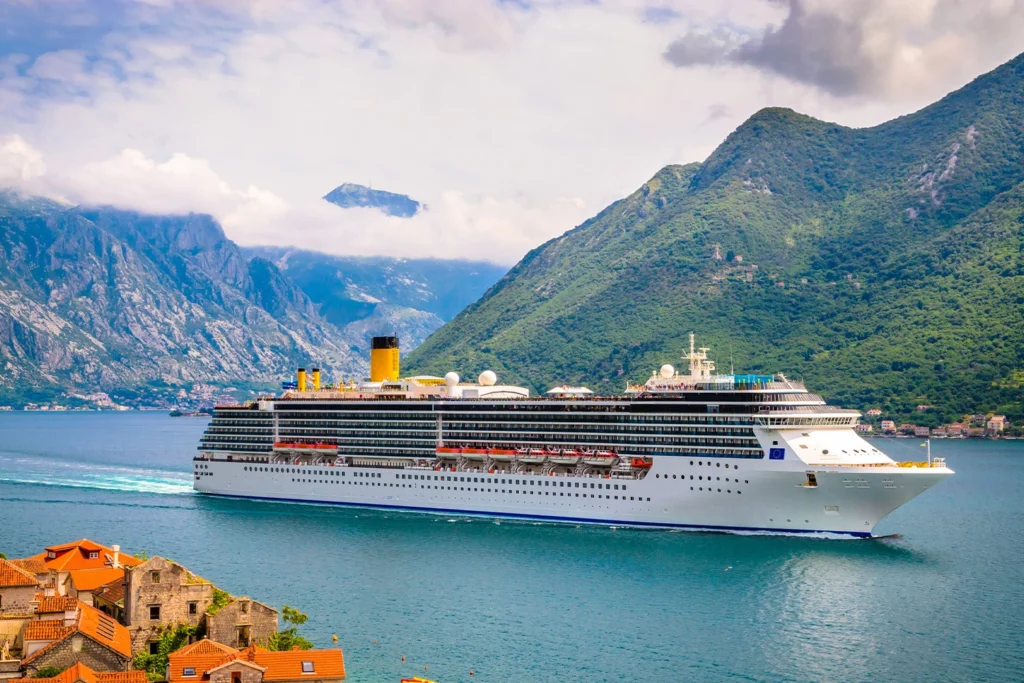
Europe’s cruise tourism industry is entering a powerful new growth phase as official European Union data confirms a sharp increase in maritime passenger traffic across the continent in 2024. The recovery signals renewed traveler confidence in cruise vacations and strengthens the sector’s role as a major contributor to Europe’s tourism economy.
According to official figures published by Eurostat, the statistical office of the European Union, EU seaports handled 417.8 million passengers in 2024, representing an increase of 24.3 million travelers compared with 2023. Passenger volumes are now approaching levels last seen before the COVID-19 pandemic disrupted global tourism in 2020.
The strong rebound reflects the rapid recovery of cruise tourism alongside ferry and maritime transport services throughout Europe. Industry analysts say the return of cruise demand is helping revitalize coastal economies, support employment, and drive tourism spending across major port cities and destinations.
Italy and Greece Dominate Europe’s Cruise Passenger Traffic
Southern Europe continues to lead the continent’s maritime tourism growth, with Italy and Greece remaining the largest passenger hubs within the European Union.
Italian ports recorded approximately 93.5 million maritime passengers in 2024, the highest total across the EU. Greece followed closely with 81.1 million passengers moving through its ports, underlining the continued strength of Mediterranean cruise tourism and island travel demand.
The Mediterranean remains one of the world’s most attractive cruise regions due to its combination of historic cities, coastal resorts, cultural attractions, and favorable weather conditions. Cruise itineraries connecting Italy, Greece, Spain, France, and Croatia continue to attract millions of international visitors each year.
Northern Europe and Baltic cruise routes are also contributing to the sector’s expansion, offering travelers access to destinations including Scandinavia, Germany, the Netherlands, and the Baltic capitals. The diversity of Europe’s cruise offerings is helping broaden the market appeal among both repeat cruisers and first-time passengers.
Cruise Tourism Delivers Major Economic Benefits
The return of cruise travelers is generating substantial economic activity throughout Europe’s tourism sector. Beyond passenger numbers, cruise tourism supports thousands of jobs across hospitality, transportation, retail, logistics, port operations, and local supply chains.
Port cities benefit significantly from cruise visitor spending on restaurants, hotels, excursions, shopping, and cultural attractions. Seasonal employment opportunities tied to cruise operations also remain critical for many coastal communities heavily dependent on tourism revenue.
Economic observers note that the cruise industry’s impact extends beyond tourism itself. Ship provisioning, maintenance services, transportation networks, and infrastructure investments create broader economic value across industrial and service sectors connected to maritime travel.
As cruise passenger traffic grows, local governments and tourism authorities are increasingly positioning cruise tourism as a strategic driver of long-term regional development and economic diversification.
Strong Travel Demand Accelerates Recovery
Several factors are fueling Europe’s cruise tourism resurgence. One of the biggest drivers remains pent-up demand following years of travel restrictions and uncertainty during the pandemic period.
Travelers are increasingly seeking multi-destination vacations that combine convenience, entertainment, and flexibility. Cruise holidays offer passengers the ability to visit several countries and destinations within a single trip while benefiting from onboard accommodations and amenities.
At the same time, European ports have invested heavily in improving passenger infrastructure, terminal efficiency, and travel coordination systems to support smoother operations and better guest experiences. Enhanced port facilities and streamlined embarkation procedures are helping cruise operators handle growing passenger volumes more effectively.
The industry has also diversified its offerings to appeal to a wider range of travelers. Short coastal voyages, luxury cruises, expedition itineraries, and family-focused sailings are helping attract both traditional cruise enthusiasts and younger travelers exploring maritime tourism for the first time.
Sustainability and Regulation Remain Key Priorities
Despite the sector’s strong recovery, sustainability continues to shape the future of cruise tourism across Europe. Governments, local authorities, and maritime regulators are increasingly focused on balancing economic growth with environmental responsibility and community concerns.
Some destinations are reviewing port capacity management, emissions regulations, and tourism planning policies to ensure that rising visitor numbers do not place excessive pressure on local ecosystems or infrastructure.
The European cruise industry is also investing in cleaner fuels, advanced wastewater treatment systems, shore power technologies, and energy-efficient ship designs as part of broader efforts to reduce environmental impact.
European policymakers continue to work closely with cruise operators, tourism boards, and maritime stakeholders to support sustainable growth strategies while preserving the long-term attractiveness of coastal destinations.
Europe Positioned for Continued Cruise Expansion
Industry forecasts suggest Europe’s cruise tourism sector is well positioned for continued expansion as international travel confidence strengthens and global tourism demand rises.
The close integration between cruise services, airlines, rail connections, hotels, and tourism infrastructure gives Europe a strong competitive advantage in the global cruise market. Continued investments in ports, visitor experiences, and smart tourism initiatives are expected to support long-term growth across the region.
Tourism ministries and maritime authorities are increasingly using data-driven planning and targeted marketing campaigns to attract more cruise visitors while improving operational efficiency and sustainability standards.
Europe’s cruise tourism industry has entered a new chapter marked by strong passenger growth, renewed traveler enthusiasm, and expanding economic influence. As maritime travel continues to recover and evolve, cruise tourism is expected to remain one of the most important pillars of Europe’s wider tourism economy.
For more travel news like this, keep reading Global Travel Wire