What began as a remote luxury expedition through the South Atlantic and Antarctica has developed into one of the most closely observed international travel health events of the year. The World Health Organization (WHO), alongside federal health authorities globally, has activated rigorous cross-border tracking protocols following a cluster of hantavirus infections linked to the Dutch-flagged expedition vessel, the MV Hondius.
According to official epidemiological updates from the WHO, a total of 11 cases have been identified globally, encompassing eight laboratory-confirmed infections, one inconclusive result, and two probable cases. The virus has claimed three lives, prompting the United States Centers for Disease Control and Prevention (CDC) to classify its operational containment efforts as a Level 3 emergency response. Despite the sweeping scale of the contact tracing network, global health agencies emphasize that the general public risk remains exceptionally low, treating the situation as a highly targeted monitoring exercise rather than a broad threat to community wellness.
Tracing the Origin of the Maritime Cluster
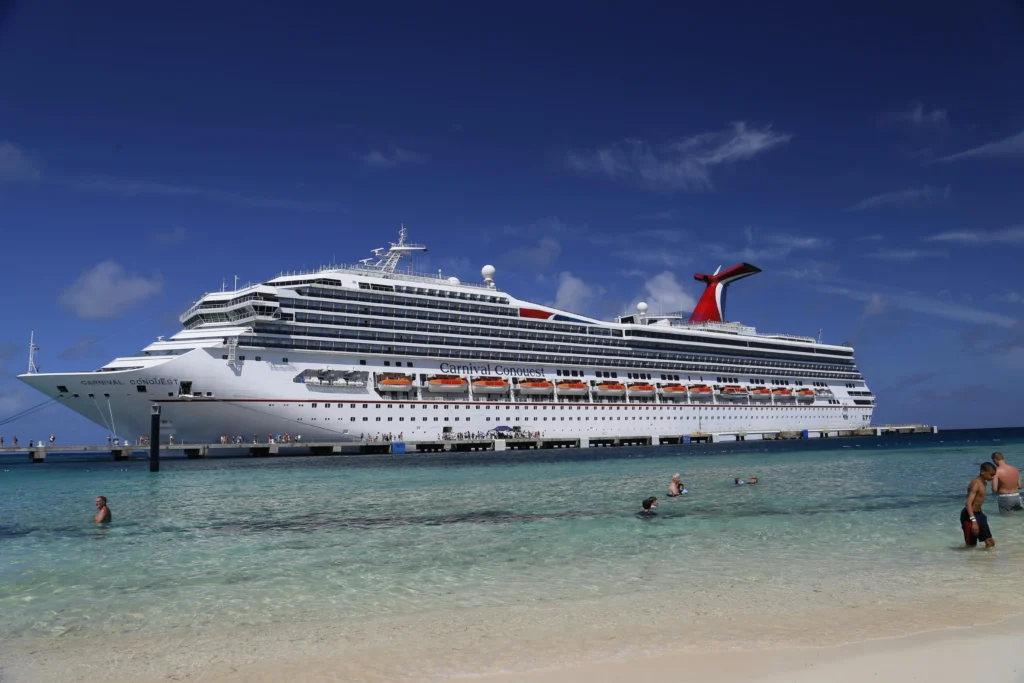
The MV Hondius, operated as an adventure tourism vessel, departed from the port of Ushuaia, Argentina, on April 1, 2026, carrying approximately 175 passengers and crew members representing over 20 nationalities. The itinerary was designed to navigate remote and ecologically diverse territories, including mainland Antarctica, South Georgia, Tristan da Cunha, and Saint Helena.
Official updates from public health ministries indicate that the initial exposure did not originate from systemic contamination aboard the vessel itself. Instead, the working hypothesis supported by genetic sequencing points to a single zoonotic introduction on land before the ship departed. The primary case involved an adult male traveler who had spent several months touring regions across Argentina and Chile. Investigations suggest he likely encountered the natural wildlife reservoir of the virus during land-based excursions, subsequently developing a fever and gastrointestinal distress on April 6 before succumbing to the illness at sea on April 11.
The primary concern for international travel health authorities arose from the virus strain itself, which has been laboratory-confirmed as the Andes virus. While standard hantaviruses are strictly vector-borne, the Andes strain is the only known variant within the orthohantavirus genus capable of limited person-to-person transmission through sustained, close physical contact. This biological characteristic forced global health bodies to transition from standard environmental investigations to active multi-country contact tracing as passengers began disembarking at various ports along the route.
Cross-Border Monitoring and Surveillance Protocols
Because the vessel carried an international cohort of holidaymakers who departed the ship at distinct intervals, the surveillance response quickly expanded into a global effort. Passengers and crew members have returned to or transited through a wide array of nations, placing health departments in the United States, the United Kingdom, Canada, Germany, the Netherlands, Denmark, Sweden, Switzerland, Singapore, Turkey, New Zealand, and Saint Kitts and Nevis on alert to trace potential contacts.
In the United States, federal health agencies have placed 36 individuals under strict state-level monitoring and quarantine protocols, utilizing specialized containment infrastructure at the University of Nebraska Medical Center to ensure safety. Simultaneously, France’s Ministry of Health confirmed that a passenger is currently receiving advanced respiratory support via extracorporeal membrane oxygenation (ECMO) in a specialized Paris intensive care unit, representing the most severe active manifestation of the infection.
The Ministry of Health and Family Welfare in India has similarly initiated precautionary surveillance protocols after identifying two Indian nationals among the ship’s manifest. Both individuals have been confirmed as completely asymptomatic, but local health teams continue to conduct routine wellness checks in accordance with international safety timelines.
Navigating Travel Safety and Clinical Realities
Public health directors have explicitly stated that this localized cluster does not mirror a pandemic-style scenario. The Andes virus cannot easily spread through casual airborne vectors in the manner of influenza or SARS-CoV-2. Consequently, no international regulatory bodies have issued travel bans, border closures, or restrictions advising tourists to alter their vacation plans. General commercial transportation hubs, airports, and regional hospitality venues continue to operate under normal conditions.
Medical bulletins distributed by the WHO remind clinicians that hantavirus cardiopulmonary syndrome typically begins with non-specific prodromal signs, including a sudden high fever, profound muscle aches, headaches, and abdominal discomfort. If the illness escalates, it moves rapidly into acute respiratory distress as fluid accumulates in the lungs.
Because there is no universally licensed antiviral cure or commercial vaccine available, prevention and rapid supportive care remain the primary lines of defense. For the expedition tourism sector, the incident serves as a powerful reminder of the vital importance of maintaining robust onboard medical infrastructure and maintaining tight coordination with international travel health registries when rare pathogens emerge in remote corners of the globe.
For more travel news like this, keep reading Global Travel Wire