







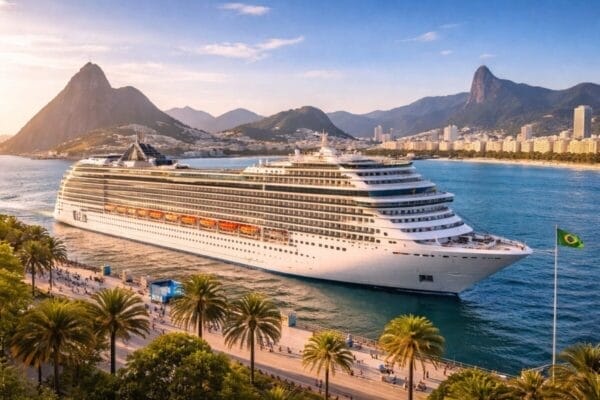
MSC Cruises will deploy MSC Musica across Brazil during the 2026–27 cruise season. The ship will sail between November 2026 and April 2027.
Passengers will board the vessel from three Brazilian homeports. These ports include Rio de Janeiro, Paranaguá, and Itajaí.
The ship will operate seven-night itineraries connecting coastal destinations across southern and southeastern Brazil. These routes will highlight beaches, island escapes, and cultural cities.
This deployment strengthens Brazil’s position in the South American cruise tourism market.
Multiple Homeports Support Regional Tourism Growth
The MSC Musica weighs more than ninety-two thousand tons and carries over three thousand passengers. The vessel offers a wide range of onboard entertainment and accommodation options.
By introducing multiple departure ports, MSC Cruises spreads tourism activity across the region. Many cruise passengers previously boarded ships mainly from Santos.
The addition of Paranaguá and Itajaí provides travelers with easier access to cruises. Local tourism officials expect strong visitor growth in these ports.
The strategy also supports economic development in southern Brazil.
Seven-Night Itineraries Showcase Brazil’s Coastal Destinations
MSC Musica will operate seven-night cruise loops across Brazil’s scenic coastline. These itineraries will connect some of the country’s most popular beach destinations.
Passengers will visit Ilhabela, Ilha Grande, Búzios, and Rio de Janeiro during their voyages.
Ilhabela attracts travelers with lush forests, waterfalls, and scenic beaches. Ilha Grande offers eco-tourism experiences with hiking trails and snorkeling sites.
Búzios welcomes visitors with boutique shopping, vibrant nightlife, and seaside dining.
Together, these destinations create diverse coastal travel experiences.
Paranaguá Emerges as Important Cruise Gateway
Paranaguá will host several MSC Musica sailings during the peak summer months of January and February.
The port sits within the state of Paraná and serves as one of Brazil’s busiest maritime hubs. Cruise tourism will add a new dimension to the city’s economic activity.
Visitors often travel inland to explore Morretes, a colonial town famous for traditional barreado cuisine.
Travelers also explore Atlantic Forest nature reserves near the coast.
Tourism officials have upgraded port infrastructure to support the growing cruise industry.
Itajaí Strengthens Santa Catarina’s Tourism Appeal
The port city of Itajaí will serve as another key embarkation point for MSC Musica. Located in Santa Catarina, the region attracts beach lovers and nature travelers.
Visitors can explore nearby Balneário Camboriú, known for its skyline and beaches. The Bombinhas peninsula offers marine parks and diving spots.
Praia Brava attracts surfers and sunseekers throughout the summer months.
Santa Catarina also offers strong culinary traditions centered on seafood and oyster farming.
Cruise passengers often explore coastal villages and cultural festivals across the region.
Rio de Janeiro Remains a Global Tourism Icon
Rio de Janeiro will continue to anchor many MSC Musica itineraries. The city stands among the most recognized destinations in South America.
Travelers arriving in Rio can explore several iconic landmarks. These include Christ the Redeemer and Sugarloaf Mountain.
Copacabana and Ipanema beaches also attract visitors from around the world.
Cruise passengers frequently extend their stays to explore Rio’s music, culture, and nightlife.
Major events such as Carnival further strengthen the city’s tourism appeal.
Nature Destinations Add Adventure to Cruise Itineraries
MSC Musica itineraries highlight Brazil’s natural landscapes and outdoor attractions.
Ilhabela and Ilha Grande offer excellent opportunities for hiking, kayaking, and snorkeling.
Travelers can explore waterfalls, forests, and wildlife habitats throughout these destinations.
Búzios adds a different experience with scenic peninsulas and clear waters.
These coastal destinations appeal to travelers seeking both relaxation and adventure.
Tourism planners expect strong demand for these nature-focused routes.
MSC Musica Provides Modern Cruise Experiences
MSC Musica launched in 2006 as the first ship in the Musica-class fleet. The vessel features fourteen decks filled with entertainment venues and leisure facilities.
Passengers enjoy swimming pools, theaters, shopping areas, and international dining options.
The ship also includes children’s clubs and family entertainment programs.
Large outdoor decks allow passengers to enjoy views of Brazil’s coastline during sailing.
Recent upgrades have improved sustainability systems and onboard efficiency.
Cruise Tourism Boosts Local Economies
Cruise tourism generates strong economic benefits for port cities.
Passengers often spend money on guided tours, restaurants, and local shopping.
Hotels and transport services also benefit when travelers arrive before cruise departures.
Paranaguá and Itajaí expect increased tourism revenue during the cruise season.
Local guides, taxi drivers, and artisans will gain new business opportunities.
Tourism officials believe cruise visitors will support long-term economic growth.
Diverse Travelers Choose Brazil Cruise Routes
MSC Cruises expects passengers from both domestic and international markets.
Brazilian travelers increasingly choose cruise vacations for convenience and entertainment.
International visitors from Europe and North America also explore South American cruise routes.
Families often prefer seven-night cruises for their balance of travel and relaxation.
Couples frequently visit romantic destinations such as Búzios and Ilha Grande.
These routes provide multiple destinations within a single vacation.
Sustainability Measures Support Responsible Tourism
MSC Cruises continues to adopt sustainability practices across its fleet.
MSC Musica will use energy-efficient systems to reduce environmental impact.
Ports such as Itajaí have implemented shore-power technology to reduce emissions.
Tour guides also educate visitors about marine conservation during excursions.
These practices help protect Brazil’s coastal ecosystems.
Sustainable tourism remains a priority for both cruise operators and local authorities.
Southern Brazil Strengthens Its Role in Cruise Tourism
The 2026–27 MSC Musica deployment highlights the growing importance of southern Brazilian ports.
Paranaguá and Itajaí will gain global visibility as cruise departure hubs.
Tourism planners expect these ports to attract additional cruise lines in the future.
Improved infrastructure and visitor services will support continued industry growth.
As cruise tourism expands across South America, Brazil will remain a key destination for global travelers.
MSC Musica’s new routes represent another step in strengthening Brazil’s cruise tourism industry.
For more travel news like this, keep reading Global Travel Wire