Bulgaria’s tourism industry now confronts a serious challenge after mass travel cancellations. More than seventy thousand Israeli visitors have canceled planned trips to the country.
The cancellations followed rising tensions and military conflict across the Middle East. Airlines adjusted schedules and several regional airports suspended operations.
These disruptions have reduced travel demand to many European destinations. However, Bulgaria faces particularly strong consequences due to its reliance on Israeli tourism.
Hotels, restaurants, and travel operators across the country have reported major booking losses. Tourism leaders now warn that the industry could face severe financial damage.
The Bulgarian Hotel and Restaurant Association has urged the government to respond quickly. Officials believe urgent support could prevent deeper economic losses.
Flight Disruptions Leave Thousands Unable to Travel
Airspace restrictions and airline route changes have played a major role in the cancellations. Many international flights connecting Israel with European destinations have experienced disruption.
Airlines canceled numerous services as security concerns increased across the region. Several airports in the Middle East also temporarily suspended operations.
These developments forced thousands of travelers to abandon holiday plans. Tourists who already booked trips had limited options to reach Bulgaria.
Travel agencies across Israel reported large waves of cancellations. Many visitors chose to postpone international travel until regional tensions ease.
Bulgaria’s tourism sector now faces the consequences of these sudden changes.
Israeli Tourism Plays Vital Role in Bulgaria’s Economy
Israeli visitors represent one of the most important international markets for Bulgarian tourism. Travelers from Israel frequently visit both winter and summer destinations.
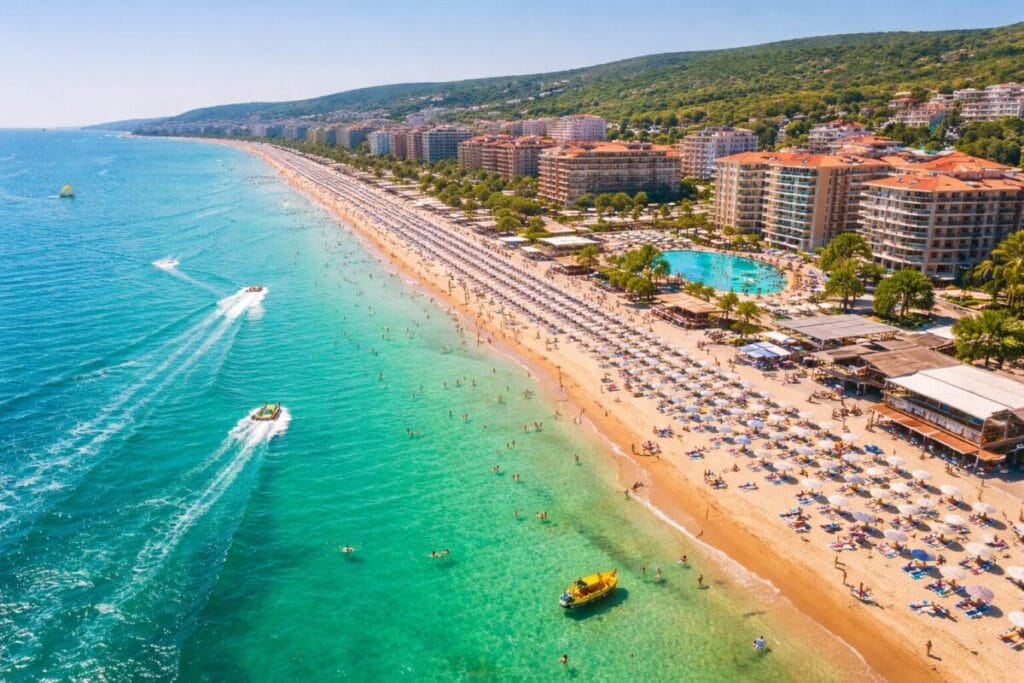
Popular resorts such as Bansko attract Israeli tourists during the ski season. The Northern Black Sea coast also receives large numbers of Israeli visitors during summer holidays.
Statistics from national tourism authorities highlight the scale of this market. In 2025, more than two hundred thousand Israeli tourists traveled to Bulgaria.
Winter months alone welcomed tens of thousands of visitors from Israel. Summer tourism numbers were even higher during peak holiday seasons.
These travelers contribute significantly to hotel bookings, restaurant visits, and local tourism services.
Resorts and Hotels Feel Immediate Impact
The cancellations have created immediate financial pressure for businesses. Hotels in mountain and coastal regions report large numbers of empty rooms.
Tour operators have also experienced sudden revenue losses. Many companies invested heavily in marketing and seasonal preparation.
Without Israeli travelers, tourism income could decline sharply during the current season.
Hotel owners warn that long periods without visitors could threaten business stability. Some operators have already begun adjusting budgets and reducing operational costs.
Tourism associations fear that prolonged disruptions may lead to job losses.
Tourism Industry Calls for Government Support
The Bulgarian Hotel and Restaurant Association has called for urgent government intervention. Industry leaders believe financial support could help stabilize the sector.
They recommend targeted assistance for businesses affected by cancellations. This support could include temporary subsidies or tax relief measures.
Officials also encourage programs that promote domestic tourism. Bulgarian travelers could help fill some of the gaps left by missing international visitors.
Government incentives might encourage residents to travel within the country. Such initiatives could support hotels, restaurants, and tour companies during the downturn.
Industry representatives believe these measures would protect employment across the sector.
Domestic Tourism Could Provide Temporary Relief
Tourism experts suggest that domestic travelers may help reduce economic losses. Bulgaria offers many popular destinations for residents seeking local holidays.
Mountain resorts, historic towns, and coastal beaches attract domestic visitors year round.
Government tourism campaigns could encourage citizens to explore national destinations. Discount programs or travel vouchers may also stimulate domestic travel.
Several European countries have used similar strategies during tourism downturns.
These programs often support small businesses while encouraging local exploration.
Domestic tourism cannot fully replace international visitors. However, it can provide important short term support.
Summer Tourism Season Also Faces Risk
The tourism association warns that the summer season may also face challenges. Many beach resorts rely on international markets such as Israel.
If travel disruptions continue, visitor numbers could decline during peak summer months.
Hotels along the Black Sea coast already monitor booking trends carefully.
Restaurant owners and tour guides depend heavily on seasonal tourism demand.
Lower visitor numbers could affect a wide network of tourism related businesses.
The entire tourism ecosystem, including transportation and retail, may experience slower activity.
Exploring New International Markets
Industry leaders have also suggested expanding marketing efforts to new tourism markets. Bulgaria could attract travelers from other regions seeking alternative destinations.
Some European and Asian travelers may consider Bulgaria due to competitive pricing and natural attractions.
Promoting cultural heritage sites and outdoor experiences could draw new audiences.
The country offers diverse tourism options including historical cities, national parks, and wellness resorts.
Tourism agencies plan to strengthen promotional campaigns across international markets.
These efforts could help reduce dependence on a single source of visitors.
Tourism Remains Vital to Bulgaria’s Economy
Tourism plays a crucial role in Bulgaria’s economic development. The sector supports thousands of jobs across hotels, restaurants, transportation, and entertainment.
Many rural regions depend on tourism revenue during peak seasons.
When visitor numbers decline, local economies can experience immediate effects.
Government leaders therefore recognize the importance of supporting tourism stability.
Strong tourism performance contributes to national income and employment growth.
Industry representatives believe quick action can prevent deeper economic damage.
Bulgaria Tourism Industry Seeks Long Term Stability
The current crisis highlights the vulnerability of tourism to global events. Geopolitical tensions can quickly disrupt travel patterns and visitor flows.
Bulgaria’s tourism industry now faces the challenge of adapting to this new reality.
Government cooperation with tourism organizations will play a key role in recovery efforts.
Financial support, marketing initiatives, and domestic travel programs could help stabilize the sector.
Tourism leaders remain hopeful that international travel will gradually recover.
Until then, businesses continue searching for solutions that protect jobs and sustain the industry.
Bulgaria’s tourism sector has overcome challenges before and aims to rebuild stronger in the future.
For more travel news like this, keep reading Global Travel Wire