P&O Cruises has introduced stricter sun lounger rules across its cruise operations following a high-profile court ruling in Germany that intensified pressure on travel companies to better manage shared leisure spaces during holidays. The updated policy introduces tighter enforcement measures aimed at preventing passengers from reserving poolside loungers for extended periods without actively using them, a long-standing issue across cruise ships and resorts worldwide.
The move reflects growing efforts across Europe’s travel and hospitality sector to improve fairness and reduce guest frustration during peak holiday seasons as cruise demand continues reaching record levels.
Industry analysts say the policy shift could influence broader operational changes throughout the global cruise industry, where overcrowded pool decks and early morning “sunbed hoarding” have increasingly become major sources of passenger complaints and negative travel experiences.
P&O Cruises Introduces Thirty-Minute Sun Lounger Rule
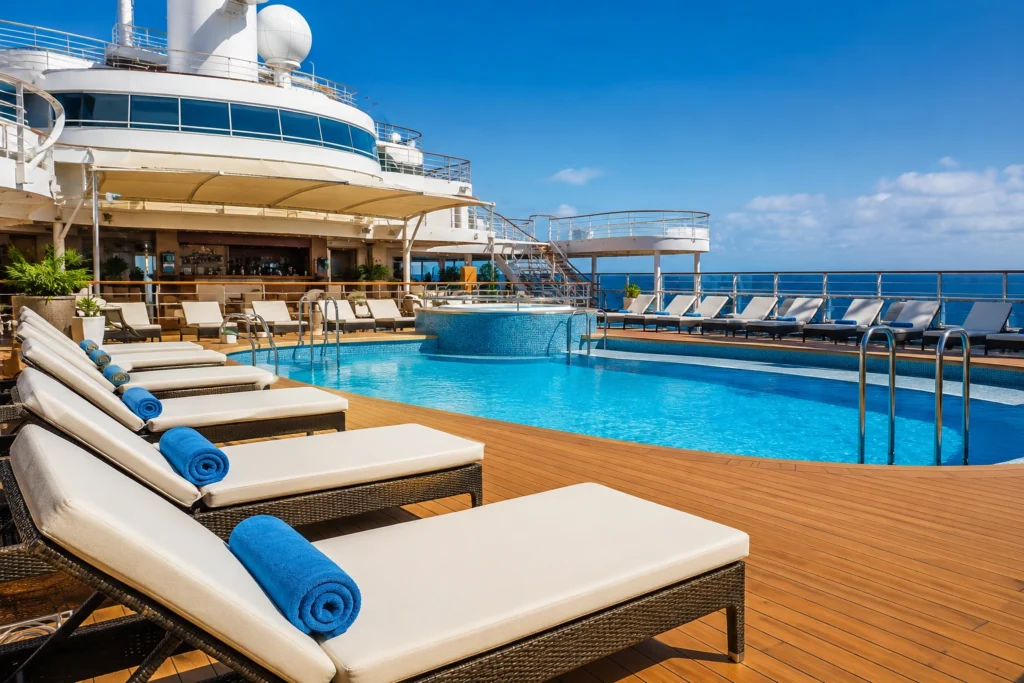
Under the updated onboard policy, unattended poolside loungers left unused for more than thirty consecutive minutes may now be cleared by ship staff.
Crew members will monitor deck seating areas and remove personal belongings such as towels, books, footwear, and sunscreen products if guests fail to return within the designated timeframe.
Collected items will then be transferred to centralized collection points where passengers can retrieve their belongings later.
Officials say the system is designed to improve deck-space circulation during busy sailing periods while ensuring fair access to shared recreational areas for all passengers.
The cruise line has also introduced visible communication measures to reinforce the policy and reduce confusion among guests.
New Deck Signage Uses Humor to Encourage Compliance
As part of the updated strategy, P&O Cruises has begun placing specially designed fabric covers over unattended loungers featuring lighthearted messaging reminding passengers about the time limits.
The initiative is intended to encourage compliance without creating unnecessary confrontation between travelers or onboard staff.
Hospitality experts say behavioral design and visible reminders are becoming increasingly important tools in managing high-density leisure environments such as cruise ships, beach resorts, and pool complexes.
Cruise operators are increasingly using structured crowd-management systems to reduce friction and improve the overall guest experience during peak travel periods.
German Court Ruling Triggers Industry Response
The stricter enforcement follows a widely discussed legal dispute in Germany involving a vacationer who successfully sued a tour operator after repeated difficulties accessing poolside seating during a family holiday in Greece.
According to court findings, the traveler documented spending significant time each day searching for available loungers despite arriving early in the morning. The court determined that the travel company failed to properly enforce its own policies regarding reserved seating areas.
Judges ruled that inadequate management of advertised leisure facilities constituted a service deficiency and awarded partial financial compensation to the traveler.
The case has drawn widespread attention throughout the tourism sector because it established a stronger legal link between advertised vacation amenities and operational enforcement responsibilities.
Cruise and Resort Operators Tighten Shared Space Policies
Following the ruling, travel companies across Europe are increasingly reviewing their management policies for shared recreational facilities.
Industry observers say the legal outcome has significantly changed how cruise lines and resorts evaluate operational risks associated with overcrowding, guest disputes, and public amenity management.
Previously, sun lounger conflicts were often treated as minor customer service issues. However, hospitality providers now face growing pressure to implement clearer rules and more active enforcement systems to avoid reputational damage and potential legal challenges.
Several major travel operators are reportedly considering similar measures as passenger volumes continue rising across the global tourism sector.
Record Cruise Demand Increases Pressure on Pool Decks
The changes come as cruise operators experience exceptionally strong booking demand across Mediterranean, Caribbean, and warm-weather itineraries.
Modern cruise ships function as highly concentrated hospitality environments where thousands of passengers compete for limited premium public spaces during sea days and peak afternoon hours.
Pool decks, in particular, remain among the most heavily contested areas onboard, especially during summer sailings and family-focused itineraries.
Travel analysts say overcrowding and disputes over reserved loungers have increasingly affected passenger satisfaction scores, online reviews, and overall perceptions of onboard service quality.
Cruise companies are now prioritizing operational strategies that maximize shared-space efficiency without requiring major structural redesigns of vessels.
Technology May Shape Future Holiday Space Management
The latest policy adjustments could signal a wider transformation in how cruise lines and resorts manage shared amenities in the future.
Hospitality technology companies are already developing systems involving occupancy sensors, digital reservation platforms, and automated monitoring tools capable of tracking seat usage in real time.
Some resorts and premium leisure operators are also experimenting with app-based booking systems allowing guests to reserve pool seating in advance for designated periods.
Industry experts believe future cruise ships may increasingly rely on digital crowd-management technologies to optimize guest flow and reduce conflicts in high-demand public areas.
European Travel Industry Focuses on Guest Fairness
The growing emphasis on poolside regulation reflects changing expectations among modern travelers, who increasingly prioritize fairness, organization, and predictable access to premium vacation amenities.
Cruise operators and resort brands are under pressure to maintain relaxed luxury environments while simultaneously managing rising passenger numbers and limited public space availability.
Travel analysts say companies that successfully balance operational efficiency with guest satisfaction are likely to gain a stronger competitive advantage as global cruise tourism continues expanding.
For P&O Cruises, the introduction of stricter sun lounger rules represents more than a simple onboard policy adjustment. It signals a broader shift in how the international travel industry approaches shared-space management, passenger expectations, and the evolving definition of luxury hospitality in an era of record tourism demand.
For more travel news like this, keep reading Global Travel Wire