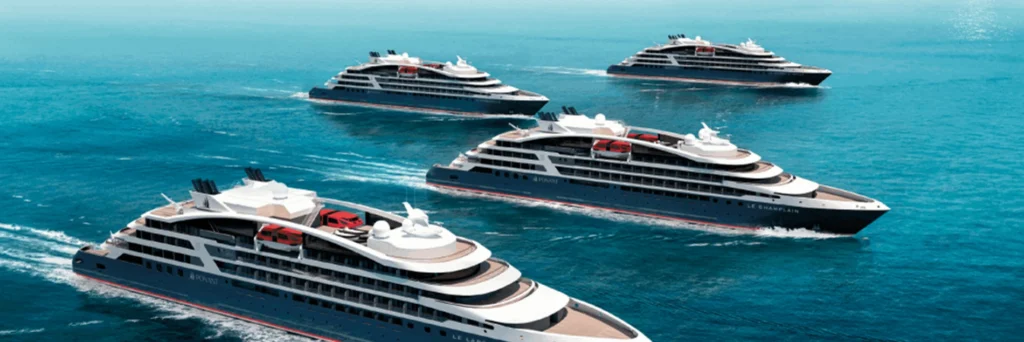
Luxury expedition cruise operator Ponant is developing a new generation of itineraries across the Philippines and the South Pacific focused on authentic local experiences, sustainability, and deeper cultural immersion as demand for experiential cruise travel continues growing worldwide.
The company’s long-term cruise planning strategy for 2029 and 2030 centers on combining luxury expedition travel with meaningful community engagement and environmentally responsible tourism practices. Through extensive site inspections, local partnerships, passenger research, and regulatory planning, Ponant aims to strengthen its position within the rapidly expanding premium expedition cruise market.
The new itineraries are expected to offer travelers closer interaction with local communities, remote island destinations, marine ecosystems, and indigenous cultural traditions across some of the world’s most isolated and visually striking regions.
As expedition cruising continues attracting affluent travelers seeking smaller ships and immersive experiences, destinations across Southeast Asia and the Pacific are becoming increasingly important within the global luxury travel industry.
Passenger Preferences Drive Future Cruise Development
Ponant’s itinerary planning process begins with detailed analysis of evolving guest expectations and travel trends.
The company regularly collects passenger feedback through surveys and market research to better understand why travelers select certain destinations and what types of experiences they value most during expedition voyages.
This research-driven strategy allows Ponant to design itineraries that prioritize exploration, authenticity, cultural interaction, and educational experiences while maintaining the luxury standards expected by premium cruise travelers.
The approach reflects broader shifts within global tourism, where travelers increasingly seek personalized, experience-focused journeys rather than traditional sightseeing vacations.
Luxury travelers are also showing stronger interest in destinations offering exclusivity, sustainability, and meaningful local engagement, particularly in remote regions less impacted by mass tourism.
Local Communities Shape the Cruise Experience
A major component of Ponant’s strategy involves direct collaboration with local communities throughout the itinerary development process.
When evaluating destinations in the Philippines and South Pacific, the company works closely with ground operators, maritime experts, port authorities, and local residents to design experiences that reflect the true character of each location.
Rather than building artificial attractions or tourism infrastructure, Ponant focuses on integrating guests into authentic community life and cultural traditions.
In several destinations, passengers may participate in traditional welcoming ceremonies, observe regional handicraft production, engage with local fishing communities, and experience reenactments of cultural festivals organized directly by residents.
The company believes this approach creates more meaningful travel experiences while generating economic opportunities for local populations without compromising cultural identity or environmental integrity.
Community-based tourism has become an increasingly important trend within luxury travel as travelers seek stronger emotional connections with the destinations they visit.
Site Inspections Ensure Operational and Environmental Sustainability
Before finalizing itineraries, Ponant conducts extensive site inspections to assess environmental conditions, infrastructure readiness, and operational feasibility.
Recent inspections in the Philippines included detailed studies of tides, docking infrastructure, weather patterns, and coastal conditions to determine how expedition vessels can safely access remote destinations throughout varying seasonal conditions.
The company also evaluates local wildlife cycles, marine ecosystems, and environmental sensitivities to ensure itineraries align with sustainable tourism principles.
Ponant’s maritime teams work closely with environmental specialists and local authorities to assess wind patterns, ocean currents, and ecological factors that may impact navigation and passenger activities.
These inspections are particularly important for expedition cruising, where vessels often visit isolated areas with limited infrastructure and delicate ecosystems.
The detailed planning process helps reduce operational disruptions while supporting responsible tourism practices in environmentally sensitive destinations.
Naturalists and Educational Experiences Remain Central to Voyages
Ponant continues placing strong emphasis on education and environmental interpretation throughout its expedition cruises.
Each voyage typically includes a team of 10 to 15 onboard naturalists and destination experts who guide excursions, deliver lectures, and help passengers better understand the regions they are visiting.
These specialists play a key role in transforming cruises into immersive learning experiences focused on wildlife, marine biology, climate science, local cultures, and regional history.
Educational expedition travel has become increasingly popular among affluent travelers seeking experiences that combine adventure with intellectual enrichment and environmental awareness.
The company’s focus on expert-led exploration also reflects broader growth in scientific and conservation-focused tourism across polar regions, island ecosystems, and biodiversity hotspots worldwide.
Southeast Asia and Pacific Expeditions Gain Tourism Momentum
The Philippines and South Pacific continue emerging as high-growth destinations for luxury expedition cruising due to their biodiversity, remote landscapes, marine ecosystems, and cultural diversity.
Cruise operators are increasingly expanding itineraries throughout Southeast Asia as travelers seek alternatives to more traditional Mediterranean and Caribbean routes.
The region’s island destinations offer opportunities for snorkeling, diving, wildlife encounters, kayaking, cultural exploration, and small-ship access to locations often unreachable by larger cruise vessels.
Tourism authorities across Southeast Asia and the Pacific are also investing more heavily in sustainable tourism initiatives and eco-tourism partnerships to attract high-value international travelers while protecting local communities and natural resources.
Ponant’s expansion into these regions reflects the wider transformation of the cruise industry toward smaller-scale, experience-driven exploration.
Luxury Expedition Cruising Continues Global Expansion
Ponant’s long-term itinerary strategy highlights the continued growth of expedition cruising within the global luxury travel market.
Travelers are increasingly prioritizing remote destinations, immersive cultural experiences, and environmentally conscious tourism over traditional mass-market cruise offerings.
The company’s emphasis on authenticity, sustainability, local collaboration, and educational travel aligns with evolving traveler expectations shaping the future of premium tourism.
As expedition cruise demand expands across Southeast Asia, the South Pacific, the Arctic, Antarctica, and other remote regions, cruise operators capable of delivering meaningful and responsible travel experiences are expected to play a growing role within the global tourism industry.
Ponant’s newest itineraries signal how luxury expedition travel is evolving into a more community-centered, environmentally aware, and culturally immersive form of global exploration.
For more travel news like this, keep reading Global Travel Wire